





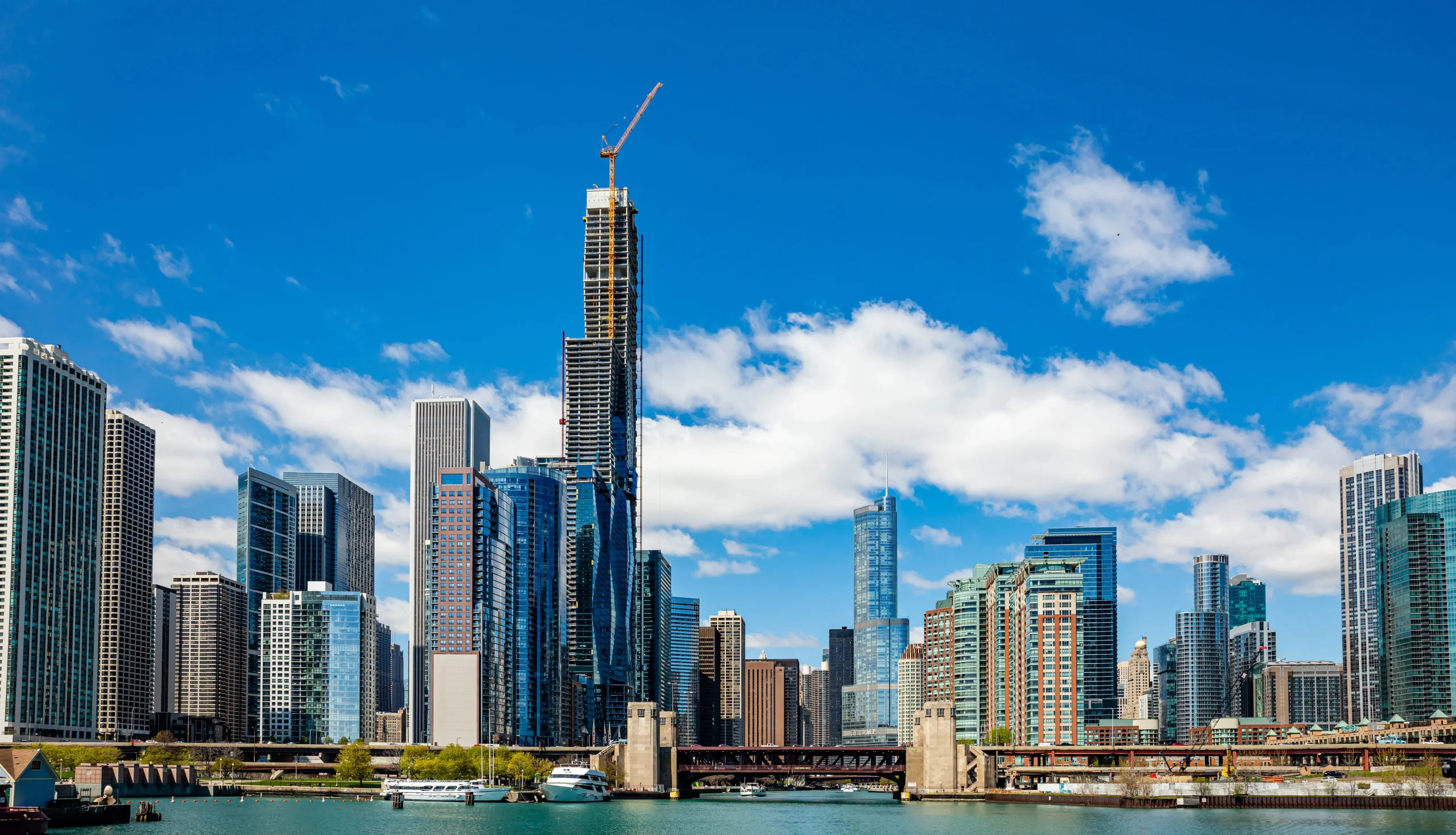
The construction industry in Chicagoland is entering a new phase in 2026, driven by population shifts, rising material costs, and increased demand for both residential and commercial development. Developers, contractors, and homeowners are all adapting to a market that is becoming more competitive, more technology-driven, and more efficiency-focused.
Understanding these trends is essential for anyone planning construction projects in the region, whether it is a custom home, renovation, or commercial build.
1. Strong Growth in Suburban Construction
One of the most noticeable trends is the continued growth of suburban construction around Chicago. More families are moving away from dense urban areas in search of space, affordability, and lifestyle improvements.
This growth is driven by:
- Increased remote and hybrid work opportunities
- Demand for larger residential spaces
- Lower land costs in suburban areas
- Expansion of local infrastructure and services
As a result, suburbs are becoming major construction hubs.
2. Shift Toward Renovation Over New Builds
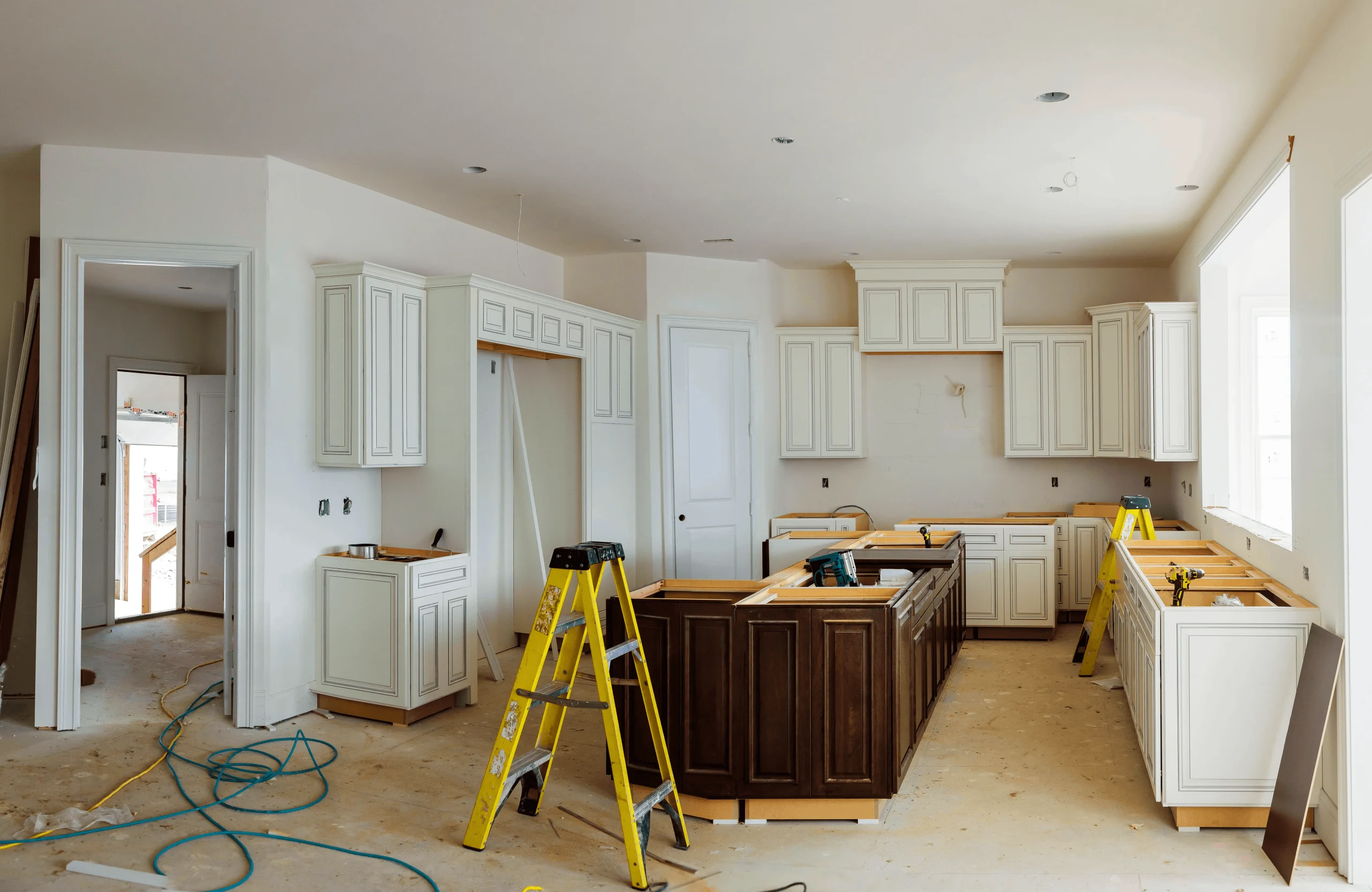
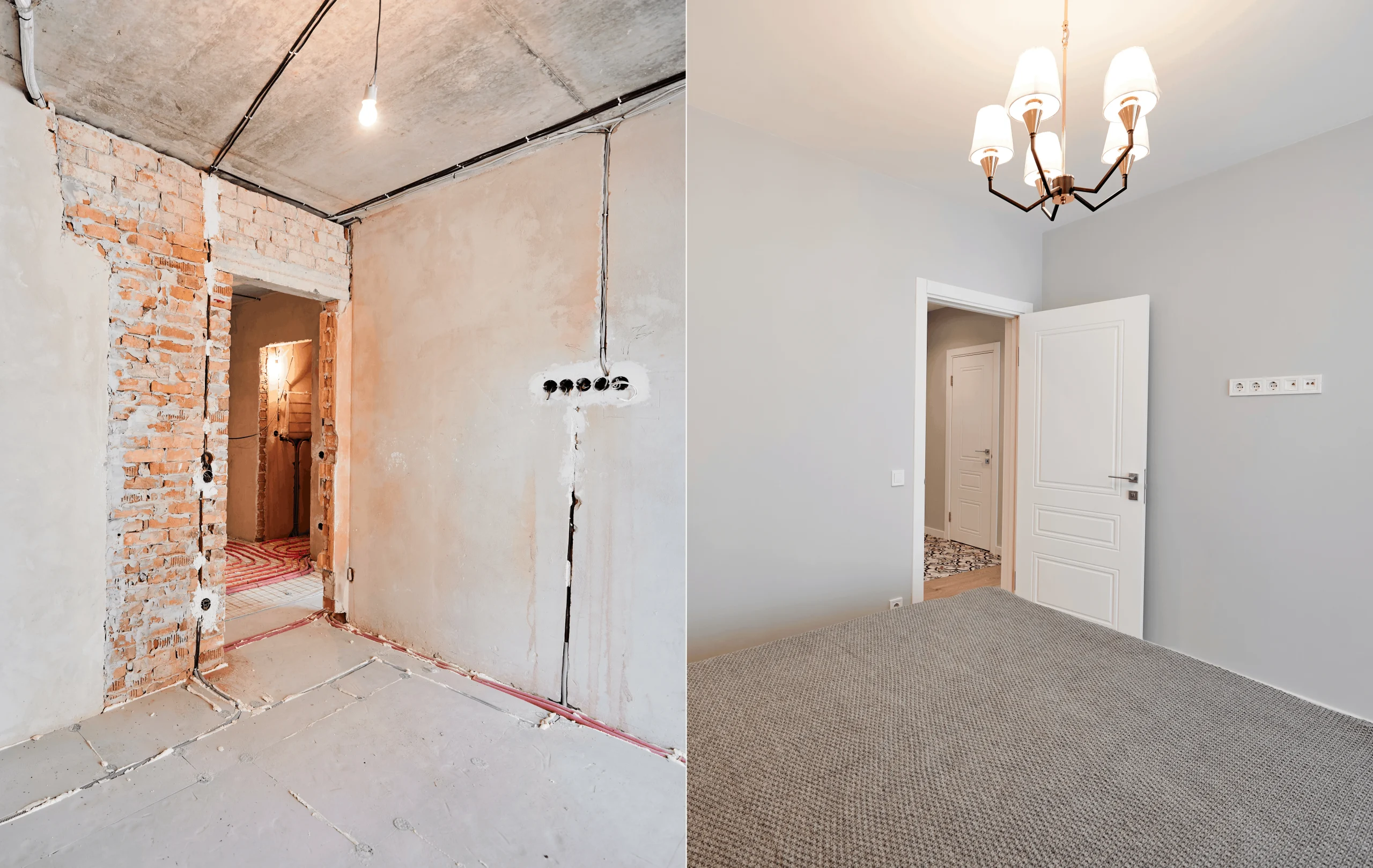
While new construction continues, renovation projects are increasing at a faster rate. Many homeowners are choosing to upgrade existing properties instead of building new ones.
Key reasons include:
- High cost of new construction materials
- Faster completion timelines for renovations
- Desire to modernize older homes
This trend is especially strong in established neighborhoods.
3. Rising Construction Costs
Material and labor costs continue to be a major factor in the construction industry. These increases are shaping project planning and budgeting across Chicagoland.
Main cost drivers include:
- Supply chain fluctuations
- Increased demand for skilled labor
- Higher transportation and logistics expenses
Contractors are adjusting pricing strategies accordingly.
4. Increased Focus on Energy Efficiency
Energy-efficient construction is becoming a standard expectation rather than an upgrade. Builders are prioritizing long-term cost savings for homeowners.
Popular features include:
- High-performance insulation systems
- Energy-efficient HVAC systems
- Smart home integration
This trend is driven by both environmental concerns and rising utility costs.
5. Demand for Sustainable Construction
Sustainability is becoming a key decision factor in construction projects. More clients are requesting eco-friendly materials and green building practices.
This includes:
- Recycled and low-impact materials
- Water-efficient systems
- Reduced construction waste practices
Sustainable construction is now a competitive advantage for contractors.
6. Growth of Mixed-Use Developments
Mixed-use buildings that combine residential, commercial, and retail spaces are becoming more common in the Chicagoland area.
Benefits include:
- Efficient land use in urban and suburban zones
- Increased property value potential
- Convenience for residents and businesses
This trend is reshaping modern city planning.
7. Labor Shortage Challenges
The construction industry continues to face a shortage of skilled labor, which impacts project timelines and costs.
Key challenges include:
- Aging workforce in skilled trades
- Limited new entrants into construction careers
- High demand for experienced workers
Contractors are increasingly investing in training and automation to address this issue.
8. Technology Integration in Projects
Technology is playing a larger role in construction planning and execution.
Common tools include:
- Project management software
- 3D modeling and BIM systems
- Digital cost estimation tools
These tools improve efficiency and reduce errors.
9. Infrastructure Development Impact
Public infrastructure projects are also influencing private construction demand. Road expansions, transportation upgrades, and utility improvements are increasing development opportunities.
This is leading to:
- Higher property values in connected areas
- Increased commercial development interest
- More residential expansion projects
10. Future Outlook of the Market
The Chicagoland construction market is expected to remain strong but competitive. Growth will continue, but efficiency and innovation will determine success.
Future expectations include:
- More smart and sustainable buildings
- Higher reliance on construction technology
- Continued suburban expansion
Final Thoughts
The construction market in Chicagoland is evolving rapidly in 2026. While costs and labor challenges remain, demand continues to grow, especially in suburban and renovation projects.
Contractors and developers who adapt to technology, sustainability, and efficiency trends will be best positioned for long-term success in this changing market.