





The construction industry in Illinois is going through a major transformation as we move deeper into 2026. Driven by technology, sustainability demands, workforce changes, and shifting client expectations, the industry is evolving faster than it has in decades.
From Chicago’s urban developments to suburban expansion projects, the future of construction in Illinois is being shaped by efficiency, innovation, and long-term planning rather than traditional methods alone.
1. Shift Toward Smart and Digital Construction
One of the biggest changes in the industry is the rapid adoption of digital construction tools. Contractors are increasingly relying on software and data-driven systems to manage projects.
Key advancements include:
- Building Information Modeling (BIM)
- Cloud-based project management systems
- AI-assisted design and planning tools
- Real-time progress tracking platforms
These tools reduce errors, improve coordination, and speed up project delivery.
2. Rise of Sustainable Building Practices
Sustainability is no longer optional in Illinois construction—it is becoming a core requirement. Clients and regulators are pushing for greener, more efficient buildings.
This includes:
- Energy-efficient building systems
- Eco-friendly material selection
- Reduced construction waste strategies
- Water conservation systems
Sustainable construction is now influencing both residential and commercial projects.
3. Increased Demand for Residential Housing
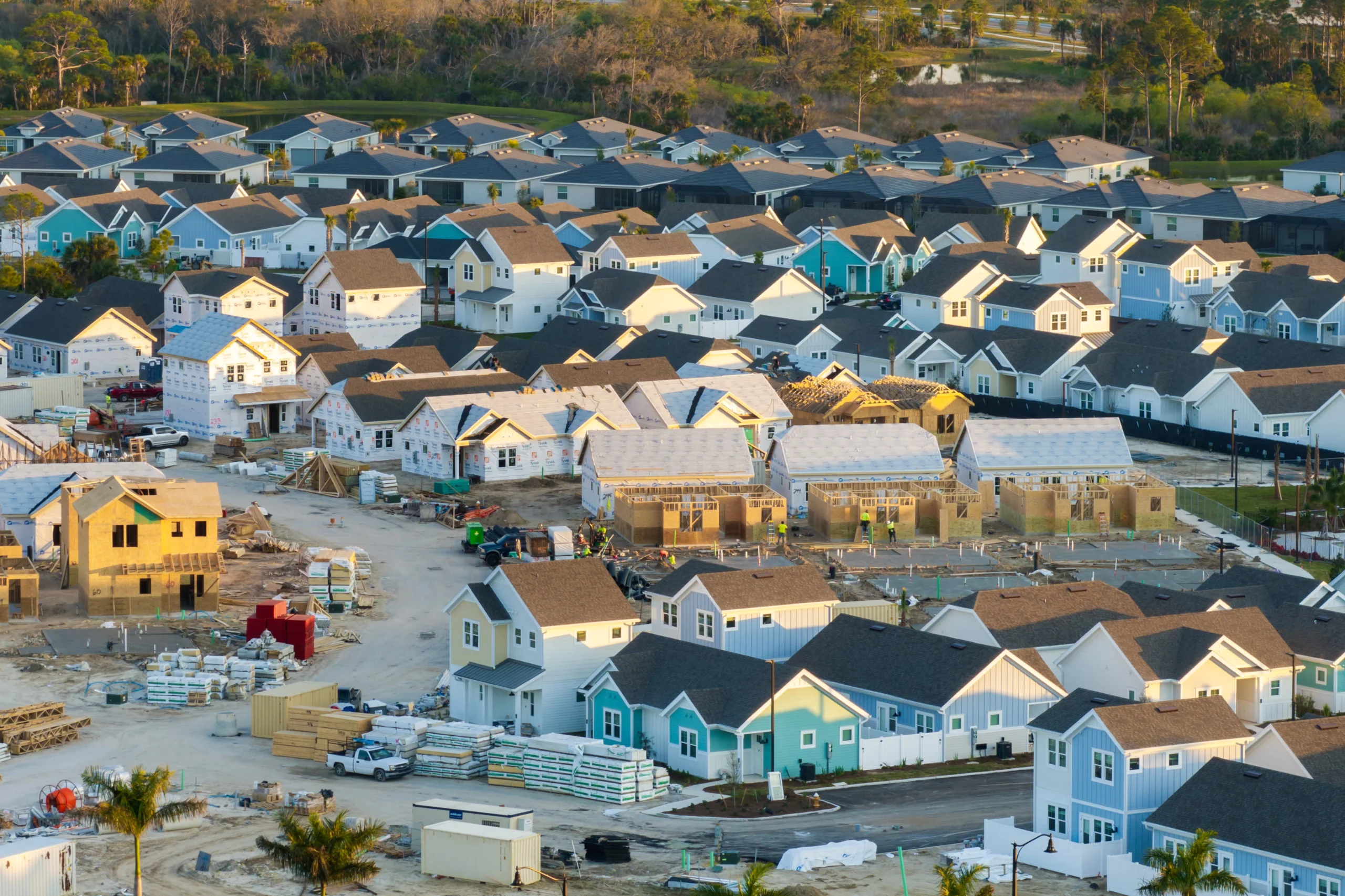
Population movement toward suburban areas is increasing the demand for new housing developments.
Main drivers include:
- Remote work flexibility
- Desire for larger living spaces
- Affordable land outside urban centers
This is fueling continuous residential construction growth across Illinois.
4. Expansion of Infrastructure Projects
Government and private infrastructure investments are playing a major role in shaping the construction landscape.
Key developments include:
- Road and highway improvements
- Public transportation upgrades
- Utility and energy infrastructure expansion
These projects are creating long-term opportunities for contractors.
5. Labor Market Challenges
The industry continues to face a shortage of skilled labor, which affects project timelines and costs.
Challenges include:
- Aging workforce in skilled trades
- Limited new skilled workers entering the industry
- High demand for experienced contractors
To address this, companies are focusing on training and automation.
6. Growth of Modular and Prefabricated Construction
Modular construction is becoming more common as companies look for faster and more efficient building methods.
Benefits include:
- Reduced construction time
- Lower material waste
- Improved quality control
This approach is especially useful for residential and commercial developments.
7. Smart Construction Technologies
Technology is reshaping how construction sites operate and how projects are delivered.
Key technologies include:
- Drones for site monitoring
- AI-based cost estimation tools
- IoT sensors for equipment tracking
These innovations improve efficiency and reduce operational risks.
8. Rising Material Costs and Adaptation
Material prices continue to fluctuate, forcing contractors to adjust budgeting and planning strategies.
Main impacts include:
- Increased project cost estimates
- Greater focus on material efficiency
- Preference for alternative building materials
This is pushing the industry toward smarter resource management.
9. Focus on Energy-Efficient Buildings
Energy efficiency is becoming a standard requirement in new construction projects across Illinois.
Common features include:
- Advanced insulation systems
- High-performance HVAC systems
- Smart energy monitoring systems
This helps reduce long-term operational costs for property owners.
10. Future Outlook of the Industry
The future of construction in Illinois is expected to be highly technology-driven, sustainable, and efficiency-focused.
Key expectations include:
- Greater automation in construction processes
- Widespread adoption of green building standards
- Continued suburban expansion
Final Thoughts
The construction industry in Illinois is moving into a new era defined by innovation, sustainability, and efficiency. Companies that adapt to new technologies and evolving market demands will lead the future of the industry.
With strong demand, advancing tools, and growing sustainability requirements, the future of construction in Illinois is both challenging and full of opportunity.