





Smart homes are no longer a futuristic concept—they are now a practical part of modern construction projects. In 2026, more homeowners and developers are asking a simple question: are smart homes actually worth the investment, or are they just an expensive upgrade?
The answer depends on how the system is planned, integrated, and used. When done correctly during construction, smart home technology can significantly improve efficiency, comfort, and long-term property value.
1. What Makes a Home “Smart”
A smart home is a residential system where devices and utilities are connected and automated through a central network. These systems allow homeowners to control lighting, temperature, security, and appliances through apps or voice commands.
Core components include:
- Smart lighting and automation systems
- Climate and HVAC control systems
- Security cameras and smart locks
- Energy monitoring devices
The goal is to improve convenience and efficiency through automation.
2. Cost vs Value in Smart Home Construction
One of the biggest concerns is upfront cost. Smart systems do increase initial construction or installation expenses, but they often provide long-term financial benefits.
Cost factors include:
- Smart device installation
- Wiring and infrastructure setup
- Central control systems
However, the value comes from reduced energy bills, improved security, and higher resale value.
3. Energy Efficiency Benefits
One of the strongest arguments for smart homes is energy savings. Automated systems reduce unnecessary energy consumption.
Key benefits include:
- Smart thermostats optimizing heating and cooling
- Automated lighting reducing electricity waste
- Energy usage tracking and optimization
In climates like Chicago, where heating and cooling demands are high, this impact is significant.
4. Increased Property Value
Smart homes are becoming more attractive in the real estate market. Buyers are willing to pay more for homes that already include integrated technology.
Value-adding features include:
- Integrated security systems
- Energy-efficient automation
- Modern connected infrastructure
This makes smart homes more competitive in resale markets.
5. Convenience and Lifestyle Improvement
One of the biggest advantages of smart homes is everyday convenience. Automation simplifies routine tasks and improves lifestyle quality.
Examples include:
- Voice-controlled lighting and appliances
- Remote control of home systems
- Automated daily schedules for temperature and lighting
This reduces manual effort and improves comfort.
6. Security Advantages
Smart home systems offer advanced security features that traditional homes cannot match.
Key systems include:
- Smart surveillance cameras
- Remote door locking systems
- Real-time security alerts
- Motion detection and monitoring
These features provide better protection and peace of mind.
7. Importance of Proper Planning in Construction
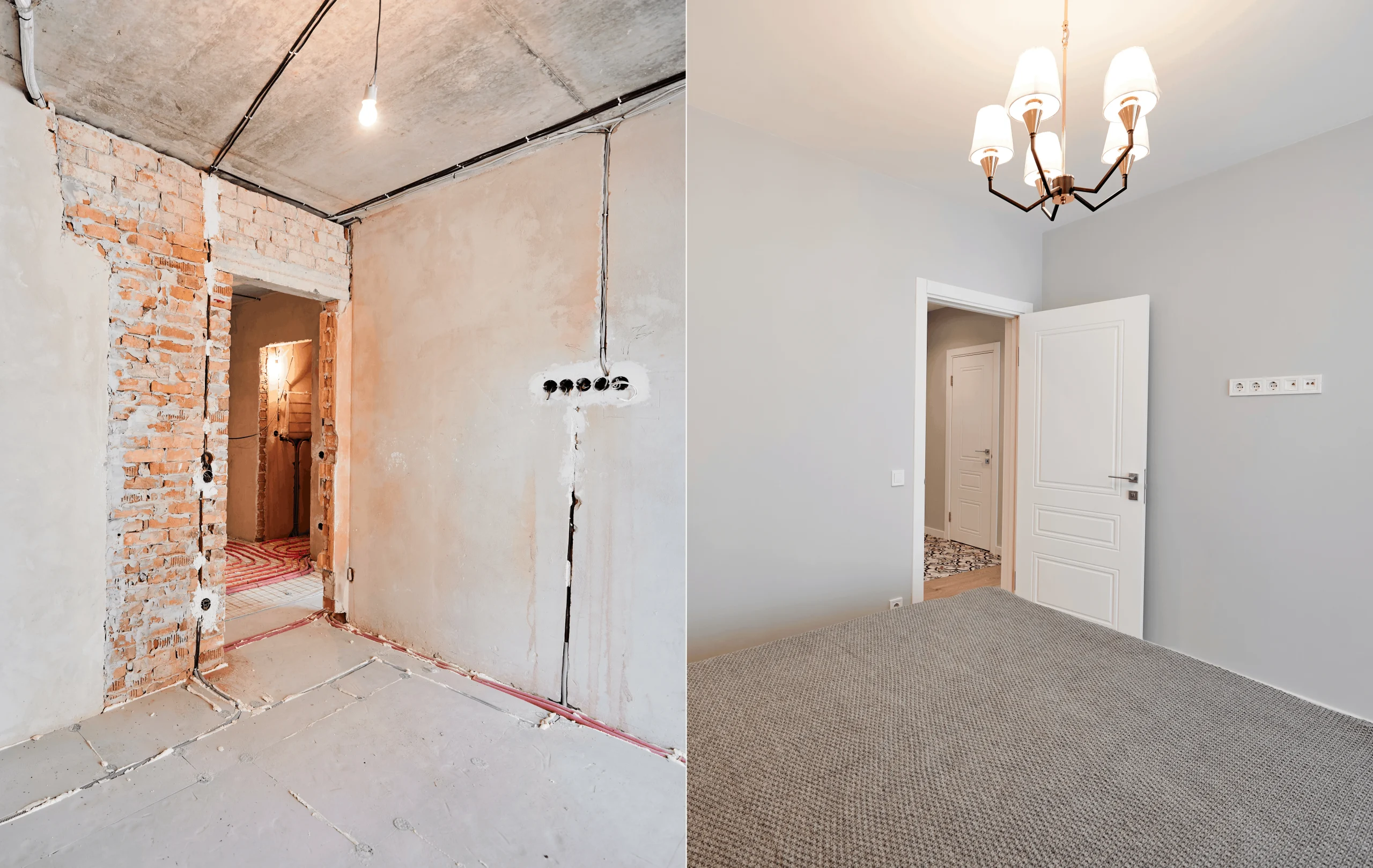
Smart home integration is most effective when planned during construction rather than added later.
Proper planning ensures:
- Clean and hidden wiring systems
- Better device compatibility
- Stronger network infrastructure
- Scalable system expansion in the future
Without planning, systems can become limited or inefficient.
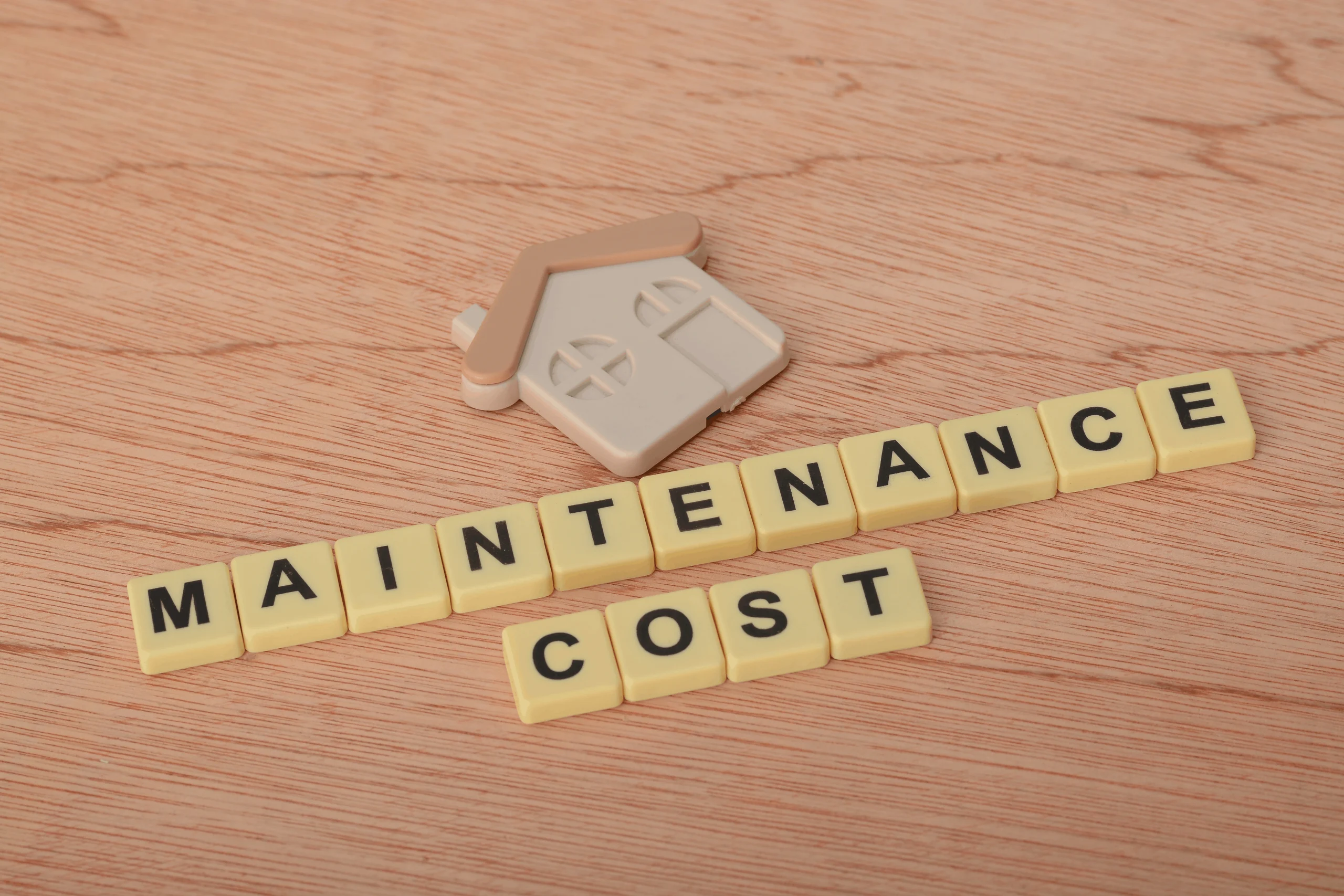
8. Maintenance and Long-Term Reliability
Smart homes do require maintenance, but modern systems are designed for long-term stability.
Maintenance considerations include:
- Software updates for devices
- Network security monitoring
- Occasional hardware upgrades
With proper setup, maintenance remains minimal.
9. Common Challenges of Smart Homes
While smart homes offer many benefits, there are some challenges to consider.
These include:
- Higher initial setup costs
- Dependence on stable internet connection
- Compatibility between different systems
These challenges can be reduced with proper planning and professional installation.
10. Future of Smart Home Construction
Smart home technology is evolving quickly. Future systems will become more automated, intelligent, and energy-efficient.
Expected trends include:
- AI-driven home automation systems
- Fully integrated energy management platforms
- Predictive maintenance systems
This will make smart homes even more efficient and reliable.
Final Thoughts
Smart homes are worth it when properly integrated into construction projects. While the upfront cost is higher, the long-term benefits in energy savings, security, convenience, and property value make them a strong investment.
In modern construction, especially in cities like Chicago, smart home systems are becoming a standard feature rather than an upgrade. The key is proper planning and professional integration from the beginning of the project.