






Warehouse construction in Illinois is evolving rapidly as supply chain demands, e-commerce growth, and logistics expansion continue to reshape the industrial landscape. In 2026, developers and contractors across the state—especially in and around Chicagoland—are focusing on speed, efficiency, and long-term operational performance when designing and building warehouses.
Illinois remains a key logistics hub due to its central location, transportation infrastructure, and access to major highways and rail networks. This makes warehouse construction one of the fastest-growing segments in the regional construction industry.
1. Growth of E-Commerce Driven Warehousing
The rise of online retail continues to push demand for modern warehouse facilities. Businesses need faster storage and distribution systems to meet customer expectations.
Key developments include:
- High-volume fulfillment centers
- Last-mile delivery warehouses
- Smaller regional distribution hubs
This shift is increasing construction activity across suburban and industrial zones.
2. Demand for High-Clearance and Flexible Spaces
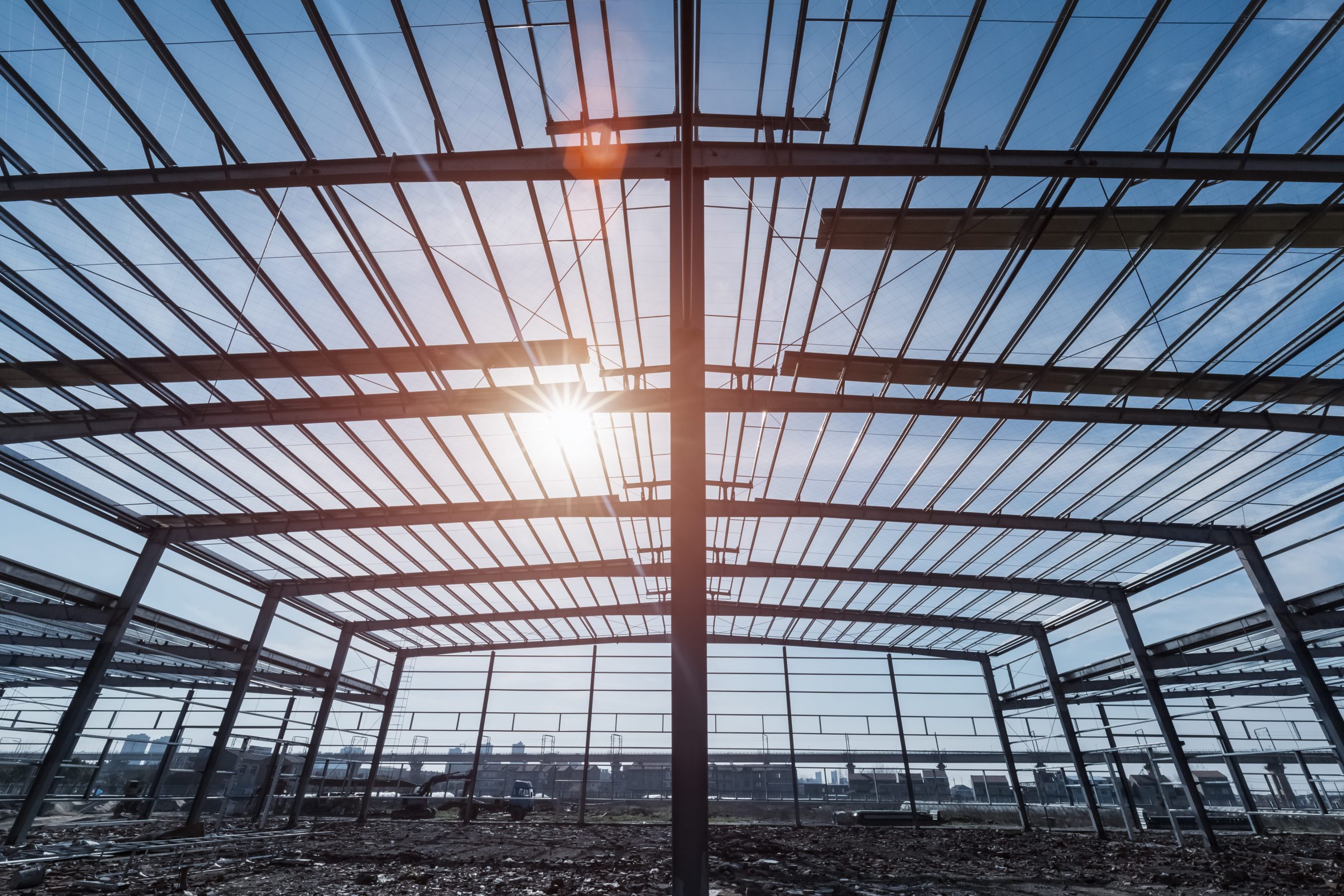
Modern warehouses are being designed with flexibility in mind to accommodate automation systems and large-scale storage needs.
Popular design features include:
- High ceiling clearances for vertical storage
- Wide column spacing for equipment movement
- Expandable floor layouts
This allows businesses to adapt quickly to operational changes.
3. Automation-Ready Infrastructure
Warehouses are increasingly being built to support robotics and automated systems.
Common features include:
- Automated storage and retrieval systems (AS/RS)
- Conveyor-ready layouts
- Smart inventory tracking infrastructure
This improves efficiency and reduces labor dependency.
4. Energy-Efficient Warehouse Design
Energy efficiency is becoming a key requirement in warehouse construction projects.
Key improvements include:
- LED lighting systems with motion sensors
- Advanced insulation materials
- Energy-efficient HVAC systems
This helps reduce long-term operational costs.
5. Strategic Location Selection
Location remains one of the most important factors in warehouse development.
Developers prioritize:
- Proximity to highways and transport routes
- Access to labor markets
- Connectivity to distribution networks
This ensures faster delivery and reduced logistics costs.
6. Sustainable Warehouse Construction
Sustainability is increasingly influencing warehouse design and construction practices.
Trends include:
- Solar panel installations on rooftops
- Rainwater harvesting systems
- Eco-friendly building materials
This aligns with corporate sustainability goals.
7. Rise of Multi-Tenant Industrial Facilities
Instead of single-use warehouses, developers are building multi-tenant industrial spaces.
Benefits include:
- Better space utilization
- Higher rental income potential
- Flexibility for small and medium businesses
Final Thoughts
Warehouse construction in Illinois is becoming more advanced, efficient, and technology-driven. With growing demand from logistics and e-commerce sectors, the industry is expected to continue expanding rapidly.
Developers who focus on automation, sustainability, and strategic design will lead the future of warehouse construction in the region.