

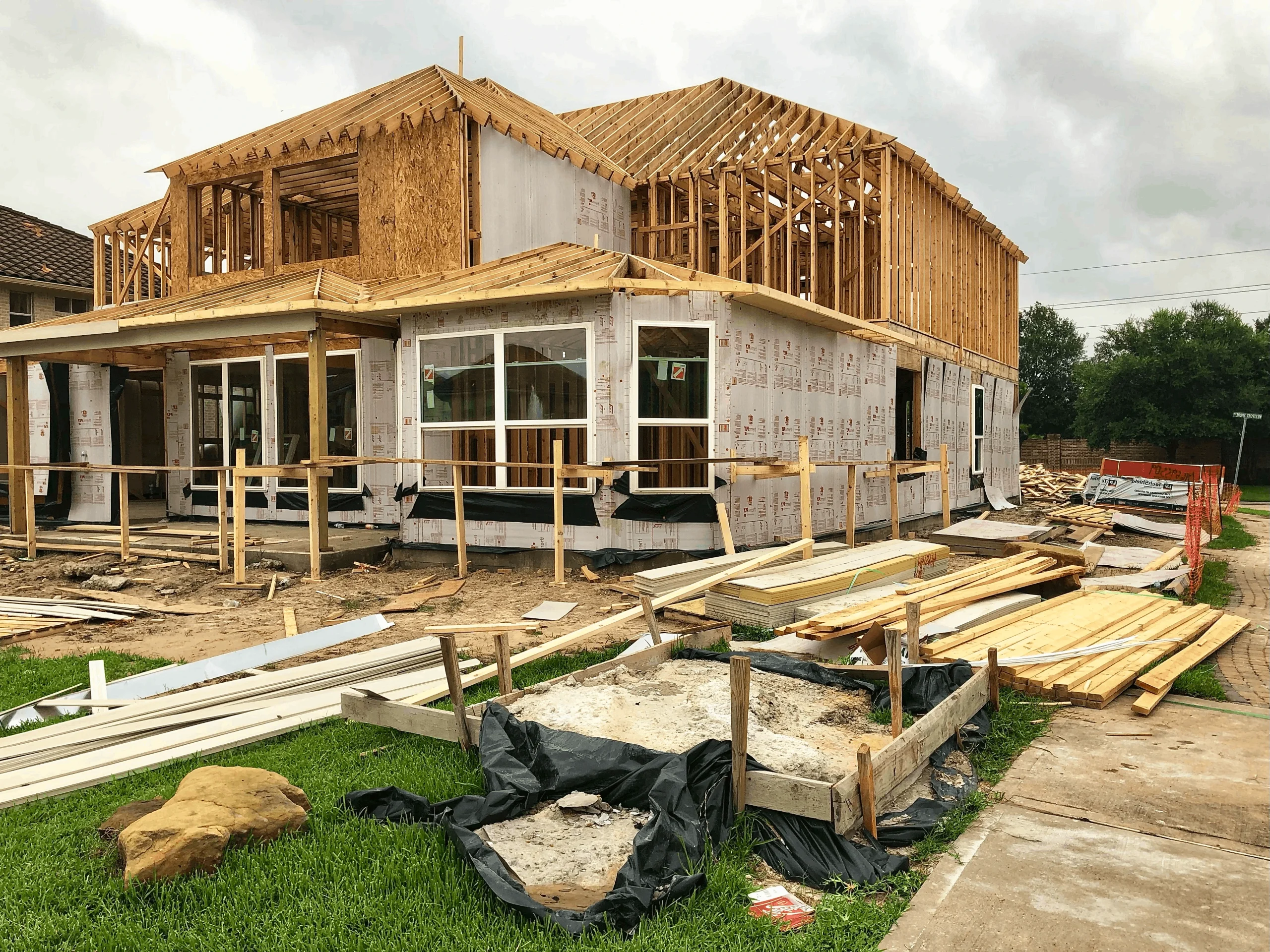







Industrial construction projects are complex by nature, involving large-scale planning, strict timelines, safety requirements, and high-budget coordination. In Illinois and especially in the Chicago industrial corridor, efficient project management is critical to ensuring successful delivery without delays or cost overruns.
Managing industrial construction efficiently requires structured planning, strong communication, and the use of modern tools and systems.
1. Detailed Pre-Construction Planning
Every successful industrial project begins with thorough planning before construction starts.
This phase includes:
- Site evaluation and feasibility studies
- Budget estimation and cost analysis
- Engineering and architectural design coordination
Proper planning reduces risks during execution.
2. Strong Project Scheduling Systems
Time management is one of the most critical aspects of industrial construction.
Effective scheduling includes:
- Clear milestone breakdowns
- Resource allocation planning
- Buffer time for delays and risks
This helps keep projects on track.
3. Use of Construction Management Software
Digital tools play a major role in improving efficiency in modern industrial projects.
Common tools include:
- Project management platforms
- Budget tracking systems
- Real-time collaboration software
These tools improve coordination between teams.
4. Effective Resource Management
Proper allocation of labor, materials, and equipment is essential for smooth execution.
Key strategies include:
- Just-in-time material delivery
- Equipment scheduling optimization
- Skilled labor allocation based on project phases
This reduces waste and improves productivity.
5. Coordination Between Teams
Industrial construction involves multiple stakeholders working together.
This includes:
- Architects and engineers
- Contractors and subcontractors
- Project managers and clients
Clear communication ensures smooth collaboration.
6. Risk Management Strategies
Identifying and managing risks early is crucial in industrial projects.
Common risks include:
- Weather delays
- Supply chain disruptions
- Design changes during construction
Proactive planning reduces their impact.
7. Quality Control and Inspections
Maintaining quality standards throughout the project ensures long-term durability.
Quality control includes:
- Regular site inspections
- Material testing and verification
- Compliance with building codes
This prevents costly rework later.
8. Safety Integration in Management
Safety is built into every stage of industrial project management.
Key practices include:
- Safety training programs
- On-site hazard monitoring
- Compliance with OSHA standards
This reduces accidents and delays.
Final Thoughts
Efficient industrial construction management depends on planning, coordination, and technology. In fast-growing regions like Illinois, companies that use structured systems and modern tools are able to deliver projects faster, safer, and more cost-effectively.
Strong project management is the key to success in industrial construction.