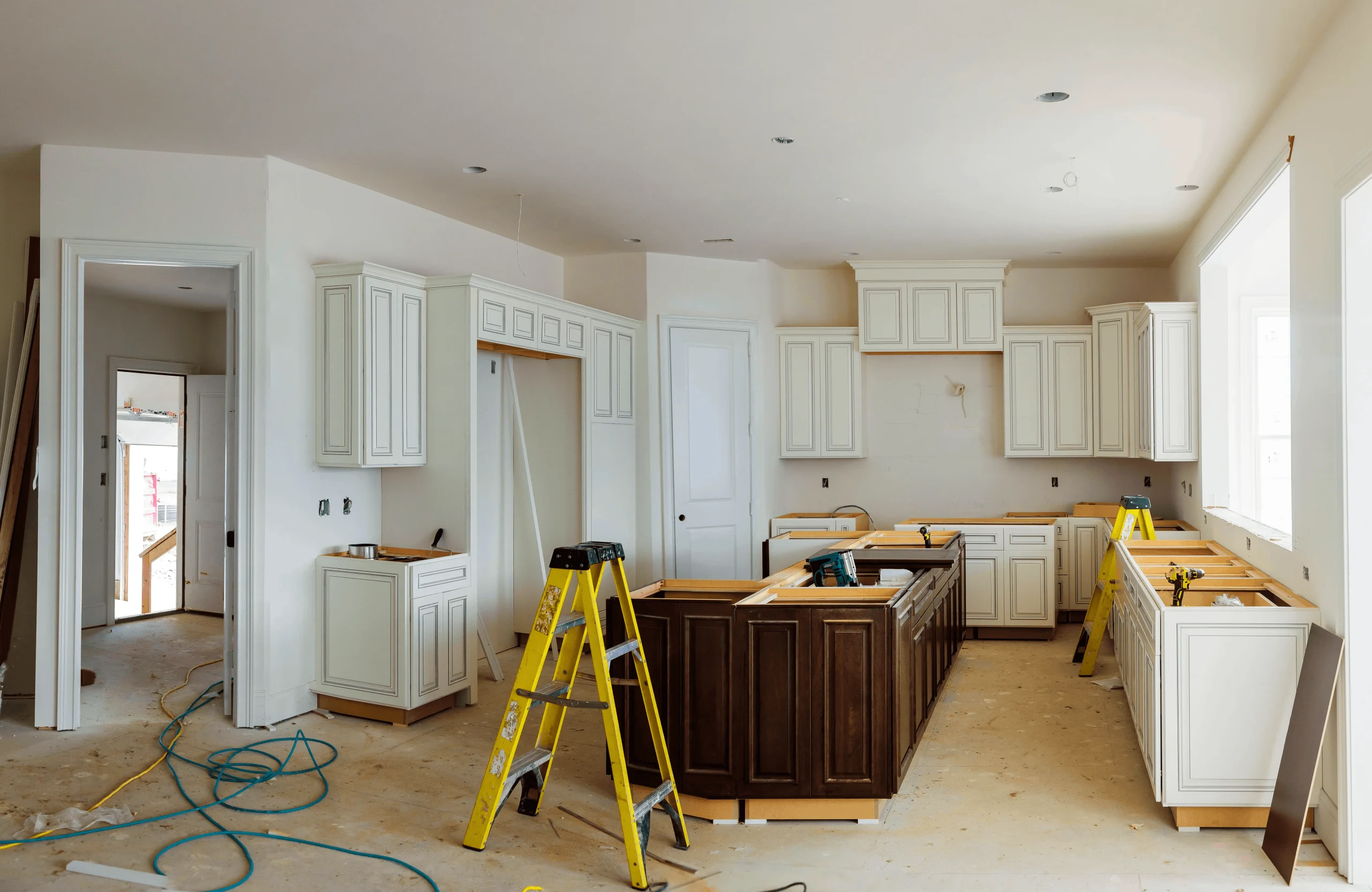

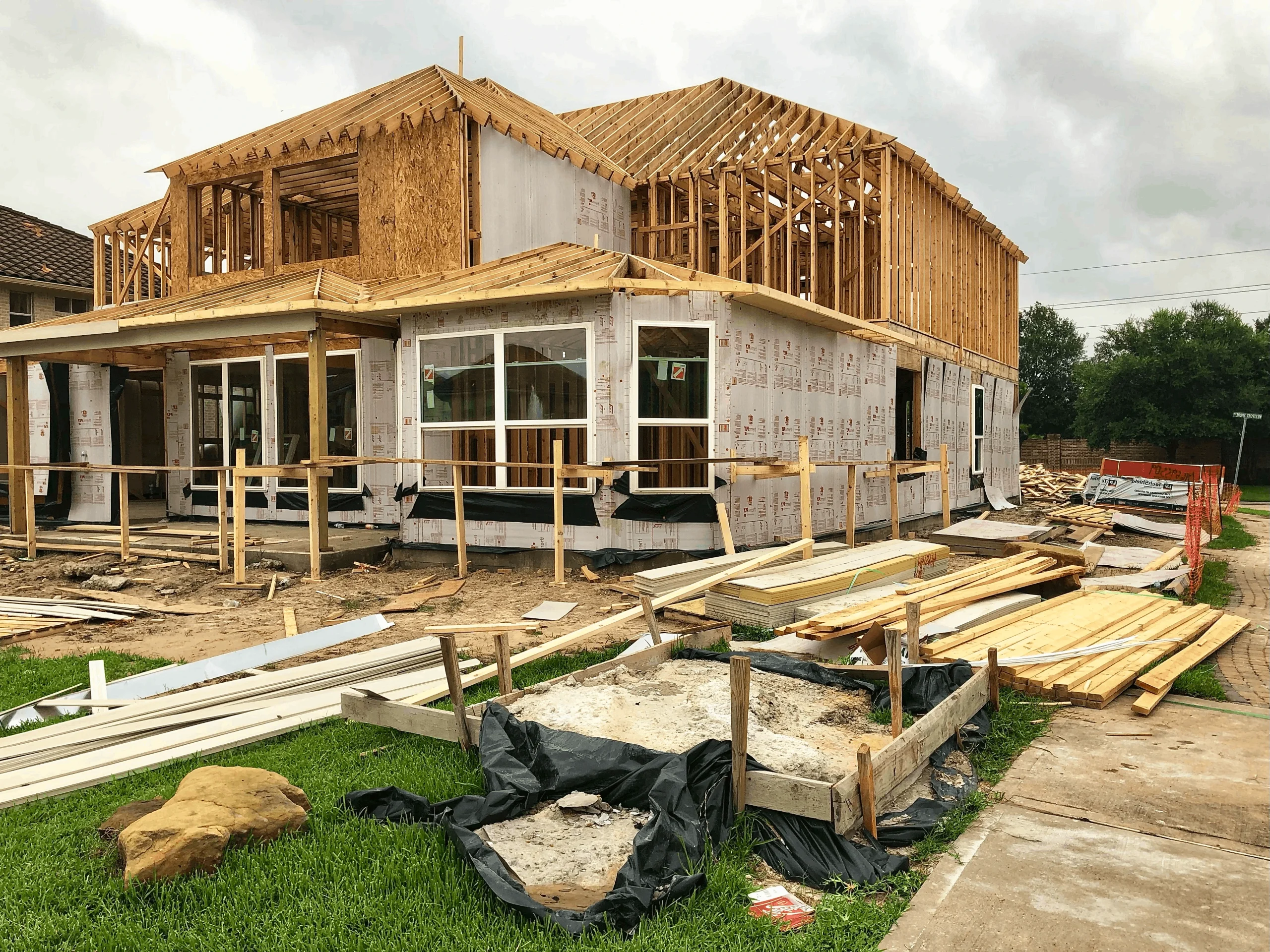
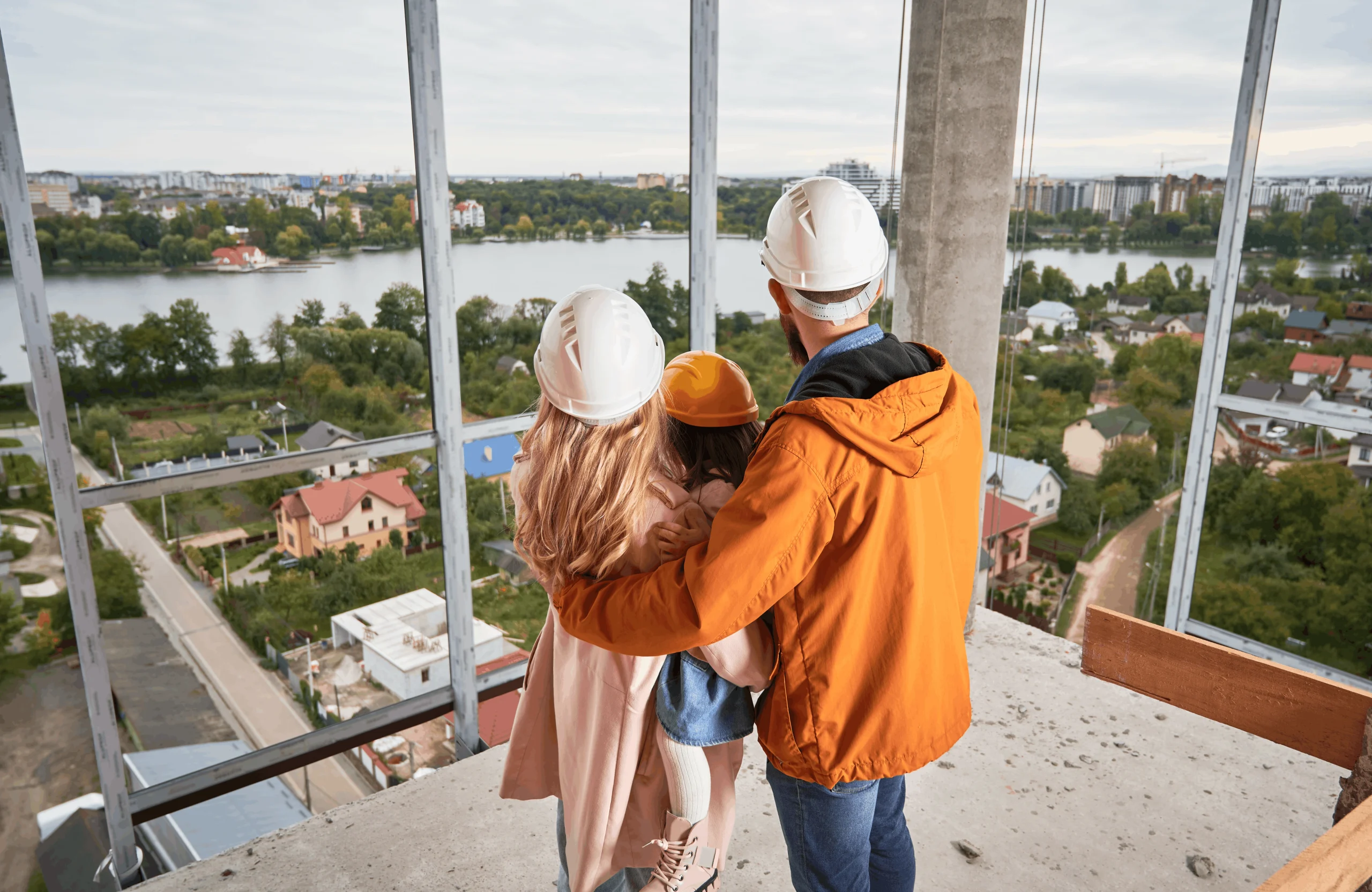





Suburban construction demand has been rising steadily over the past few years, and in 2026 this trend has become even more noticeable across regions like Chicagoland and surrounding Illinois areas. What was once considered an alternative to city living has now become the preferred choice for many families, professionals, and investors.
This shift is reshaping the construction industry, pushing developers and contractors to focus more on suburban housing, commercial spaces, and infrastructure development.
1. Lifestyle Shift Toward Suburban Living
One of the biggest reasons behind rising suburban construction demand is the change in lifestyle preferences. Many people now prioritize space, comfort, and privacy over dense urban living.
Main drivers include:
- Larger homes and yards
- Quieter residential environments
- Safer and family-friendly communities
- Better long-term living conditions
This lifestyle shift has significantly increased suburban development projects.
2. Remote and Hybrid Work Culture
The rise of remote and hybrid work has reduced the need for daily commuting to city centers. As a result, people are more willing to move further away from urban areas.
Impacts include:
- Increased demand for home office spaces
- Relocation to more affordable suburban regions
- Higher interest in custom home construction
This has directly fueled suburban housing growth.
3. Lower Land and Construction Costs
Compared to city centers, suburban areas offer more affordable land and construction opportunities.
Advantages include:
- Lower land acquisition costs
- More flexible construction layouts
- Greater development potential per property
This makes suburban projects more attractive for both homeowners and developers.
4. Expansion of Infrastructure and Services
Improved infrastructure is making suburban areas more accessible and livable than ever before.
Key improvements include:
- New road and highway developments
- Expanded public transportation options
- Better utility and internet connectivity
These developments are encouraging more construction activity outside urban centers.
5. Demand for Custom Homes
Suburban areas are seeing a rise in custom home construction as homeowners seek personalized living spaces.
Popular preferences include:
- Open floor plans
- Smart home integration
- Energy-efficient designs
- Dedicated office and recreational spaces
This trend is reshaping residential construction priorities.
6. Commercial Growth in Suburbs
It is not just residential demand increasing—commercial construction is also expanding in suburban regions.
This includes:
- Retail shopping centers
- Office buildings and coworking spaces
- Local service businesses and hubs
As populations move outward, businesses follow.
7. Affordable Financing and Investment Opportunities
Suburban developments often provide better investment returns due to lower entry costs and increasing demand.
Key benefits include:
- Lower mortgage and development costs
- Higher long-term property appreciation
- Strong rental market growth
This is attracting both homeowners and investors.
8. Shift in Developer Focus
Construction companies are increasingly shifting their focus from urban high-density projects to suburban developments.
Reasons include:
- More available land for large-scale projects
- Faster approval processes in some areas
- Higher demand from buyers
This is changing the overall direction of the construction industry.
9. Better Quality of Life Perception
Many people associate suburban living with a better quality of life, which strongly influences construction demand.
Key factors include:
- Less traffic congestion
- Cleaner and greener environments
- Safer neighborhoods
This perception continues to drive population movement outward.
10. Future Outlook of Suburban Construction
The future of suburban construction looks strong and stable. Demand is expected to continue rising as more people seek space, affordability, and flexibility.
Future trends include:
- Smart suburban communities
- Energy-efficient housing developments
- Mixed-use suburban planning
Final Thoughts
The rise in suburban construction demand is not a temporary trend—it is a long-term shift in how people choose to live and work. Driven by lifestyle changes, remote work, and affordability, suburban areas are becoming the new growth centers for construction.
For developers and contractors, adapting to this shift is essential to staying competitive in the evolving Illinois construction market.