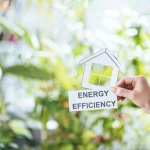





Making a home energy efficient in Chicago is not just about lowering utility bills—it is about creating a comfortable living environment that can handle extreme seasonal changes. With freezing winters, hot summers, and fluctuating temperatures, homes in this region need strong energy performance systems to stay efficient year-round.
Energy efficiency is achieved through a combination of smart upgrades, proper insulation, efficient systems, and good construction practices. Even small improvements can make a noticeable difference in comfort and monthly costs.
1. Start With a Home Energy Assessment
The first step toward improving energy efficiency is understanding where energy is being lost. A professional energy assessment helps identify weak points in the home.
It typically evaluates:
- Air leaks around windows and doors
- Insulation quality in walls and attic
- HVAC system efficiency
- Energy usage patterns
This creates a clear roadmap for improvements.
2. Improve Attic Insulation
In Chicago homes, the attic is one of the biggest sources of energy loss. Heat naturally rises, and without proper insulation, it escapes quickly during winter.
Effective insulation options include:
- Blown-in cellulose insulation
- Fiberglass batt insulation
- Spray foam insulation for air sealing
A well-insulated attic reduces heating costs significantly.
3. Seal Air Leaks Throughout the Home
Air leakage is one of the most common causes of energy waste. Even small gaps can lead to major heat loss.
Key areas to check include:
- Window and door frames
- Electrical outlets on exterior walls
- Attic access points
- Plumbing and duct openings
Proper sealing improves both comfort and efficiency.
4. Upgrade Windows and Doors
Old or poorly sealed windows and doors allow heat to escape and cold air to enter. Upgrading them is a major step toward energy efficiency.
Modern solutions include:
- Double or triple-pane windows
- Low-E glass coatings
- Insulated door systems
- Weather stripping and sealing upgrades
These upgrades also improve noise reduction and comfort.
5. Upgrade to Energy-Efficient HVAC Systems
Heating and cooling systems account for a large portion of energy consumption in Chicago homes. Efficient systems reduce waste and improve performance.
Options include:
- High-efficiency furnaces
- Energy-efficient air conditioners
- Smart thermostats
- Zoned heating and cooling systems
These systems adjust energy use based on real-time needs.
6. Use Smart Thermostats
Smart thermostats help optimize temperature control automatically based on usage patterns.
Benefits include:
- Reduced energy consumption
- Automated temperature scheduling
- Remote control via mobile apps
They help avoid unnecessary heating or cooling when not needed.
7. Improve Wall and Basement Insulation
Walls and basements are often overlooked but play a major role in energy efficiency.
Effective methods include:
- Spray foam insulation in wall cavities
- Rigid foam board for basement walls
- Air sealing cracks and joints
This reduces heat loss from multiple directions.
8. Switch to Energy-Efficient Lighting
Lighting upgrades are one of the simplest ways to reduce energy usage.
Best practices include:
- Using LED lighting instead of traditional bulbs
- Installing motion sensors in low-use areas
- Maximizing natural daylight during the day
These small changes reduce electricity consumption significantly.
9. Optimize Roof and Attic Ventilation
Proper ventilation prevents heat buildup in summer and moisture issues in winter.
Good ventilation systems help:
- Maintain stable indoor temperatures
- Reduce strain on HVAC systems
- Prevent ice dams during winter
This improves both efficiency and structural durability.
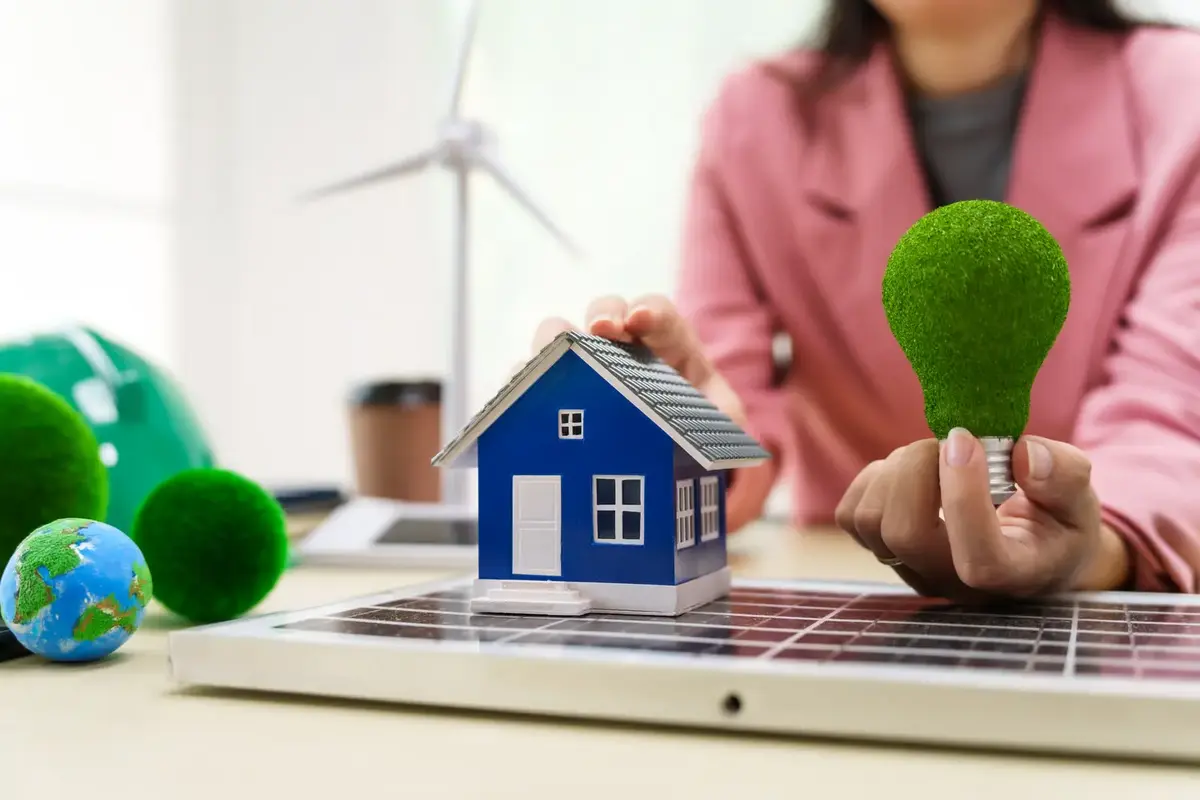
10. Consider Renewable Energy Options
Many Chicago homeowners are now exploring renewable energy solutions to further improve efficiency.
Popular options include:
- Solar panel installations
- Solar water heating systems
- Energy storage solutions (battery systems)
These systems reduce dependence on traditional power sources.
Final Thoughts
Improving home energy efficiency in Chicago requires a combination of insulation, system upgrades, and smart energy management. Because of the region’s extreme weather conditions, efficiency is not optional—it is essential for comfort and cost control.
By making targeted improvements such as sealing air leaks, upgrading HVAC systems, and enhancing insulation, homeowners can significantly reduce energy waste and create a more comfortable, sustainable living environment.