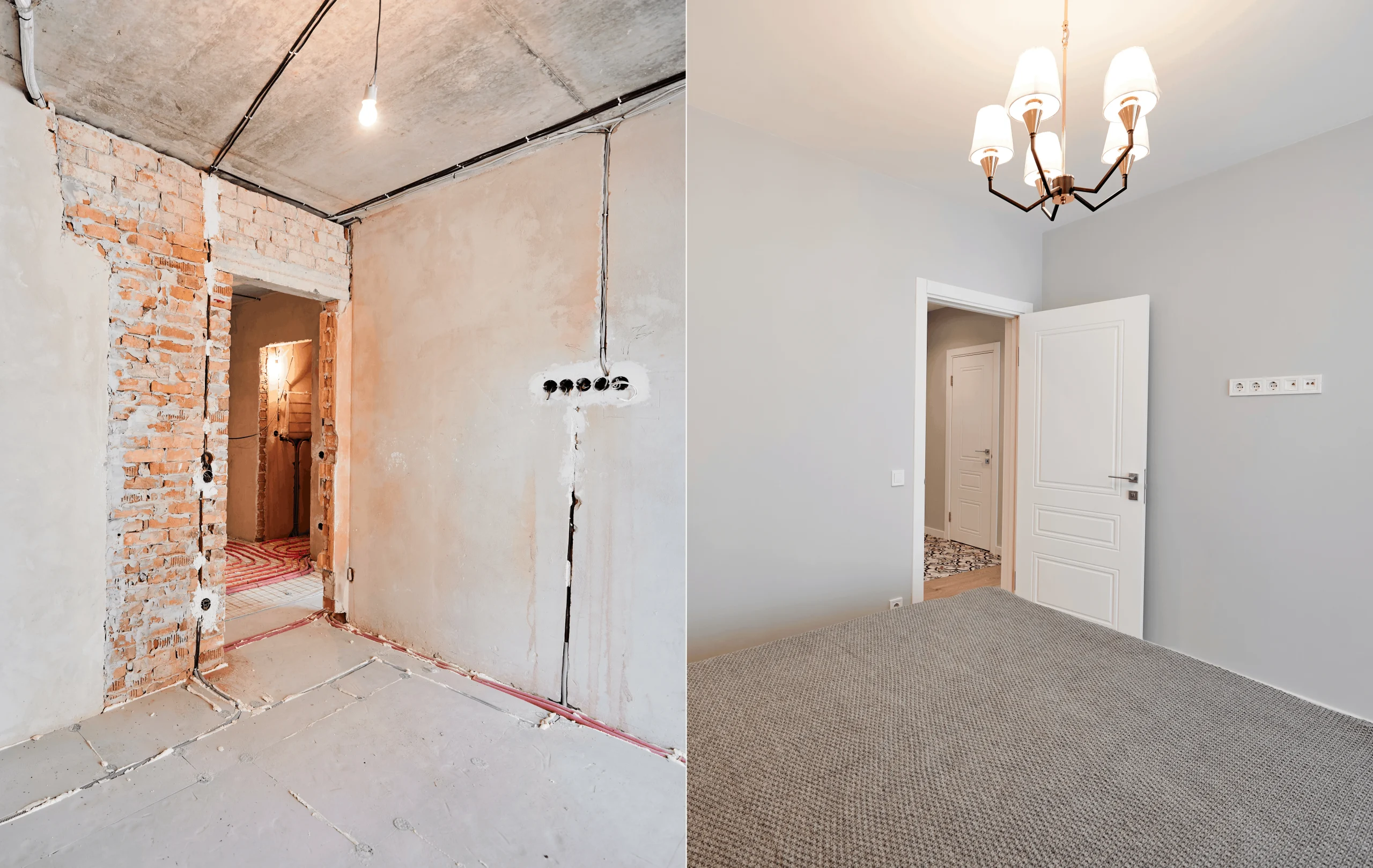




Energy saving construction techniques are reshaping how modern homes and commercial buildings are designed and built. In regions like Chicago, where heating demands are high in winter and cooling is essential in summer, energy-efficient construction is not just a preference—it is a necessity for long-term cost control and comfort.
These techniques focus on reducing energy consumption through smarter design, better materials, and improved building systems. The goal is to create structures that perform efficiently throughout their entire lifecycle.
1. Passive Design Principles
Passive design is one of the most effective energy saving approaches in construction. It reduces the need for mechanical heating and cooling by using natural environmental conditions.
Key strategies include:
- Building orientation to maximize sunlight
- Strategic window placement for natural light
- Shading systems to reduce heat gain
- Natural ventilation design
These methods reduce energy dependency from the start.
2. High-Performance Insulation Systems
Insulation is one of the most important elements in energy-efficient construction. It helps maintain indoor temperature and reduces energy loss.
Common insulation methods include:
- Spray foam insulation for air sealing
- Fiberglass batts for walls and ceilings
- Rigid foam boards for foundations
Proper insulation significantly reduces heating and cooling costs.
3. Air Sealing Techniques
Even well-insulated buildings can lose energy through small air leaks. Air sealing ensures that conditioned air stays inside the building.
Important sealing areas include:
- Window and door frames
- Attic access points
- Electrical outlets and switches
- Plumbing and duct penetrations
This prevents drafts and improves energy performance.
4. Energy-Efficient Windows and Doors
Windows and doors are major sources of heat loss in buildings. Upgrading them improves efficiency significantly.
Modern solutions include:
- Double or triple-pane windows
- Low-E glass coatings
- Insulated door cores
- Weatherproof sealing systems
These upgrades help maintain indoor comfort year-round.
5. Efficient HVAC Systems
Heating, ventilation, and air conditioning systems account for a large portion of energy usage in buildings.
Energy-saving improvements include:
- High-efficiency furnaces and AC units
- Smart thermostats for automated control
- Zoned heating and cooling systems
These systems adjust energy use based on actual demand.
6. Smart Lighting Solutions
Lighting systems can be optimized to reduce unnecessary energy consumption.
Best practices include:
- LED lighting instead of traditional bulbs
- Motion sensor lighting in low-use areas
- Daylight optimization through windows and skylights
These solutions reduce electricity usage without affecting comfort.
7. Thermal Mass Utilization
Thermal mass materials absorb and store heat during the day and release it slowly at night. This helps regulate indoor temperature naturally.
Common materials include:
- Concrete floors and walls
- Brick and stone structures
- Tile flooring systems
This reduces reliance on heating and cooling systems.
8. Roof and Attic Efficiency
The roof plays a major role in energy efficiency since it is exposed to direct weather conditions.
Energy-saving techniques include:
- Reflective roofing materials
- Proper attic insulation
- Ventilation systems for airflow control
This helps reduce heat buildup in summer and heat loss in winter.
9. Energy Monitoring Systems
Modern construction includes smart monitoring systems that track energy usage in real time.
These systems provide:
- Detailed energy consumption data
- Automated efficiency reports
- Smart optimization recommendations
This helps homeowners and businesses reduce unnecessary energy waste.
10. Sustainable Material Integration
Energy efficiency is also influenced by material selection. Sustainable materials improve performance while reducing environmental impact.
Common choices include:
- Recycled building materials
- Low-VOC paints and finishes
- Energy-efficient insulation products
These materials support long-term sustainability goals.
Final Thoughts
Energy saving construction techniques are essential for modern building performance. In climates like Chicago, where energy demand is high throughout the year, these methods help reduce costs and improve comfort.
By combining smart design, efficient systems, and sustainable materials, construction projects can achieve long-term energy savings and improved environmental performance.