

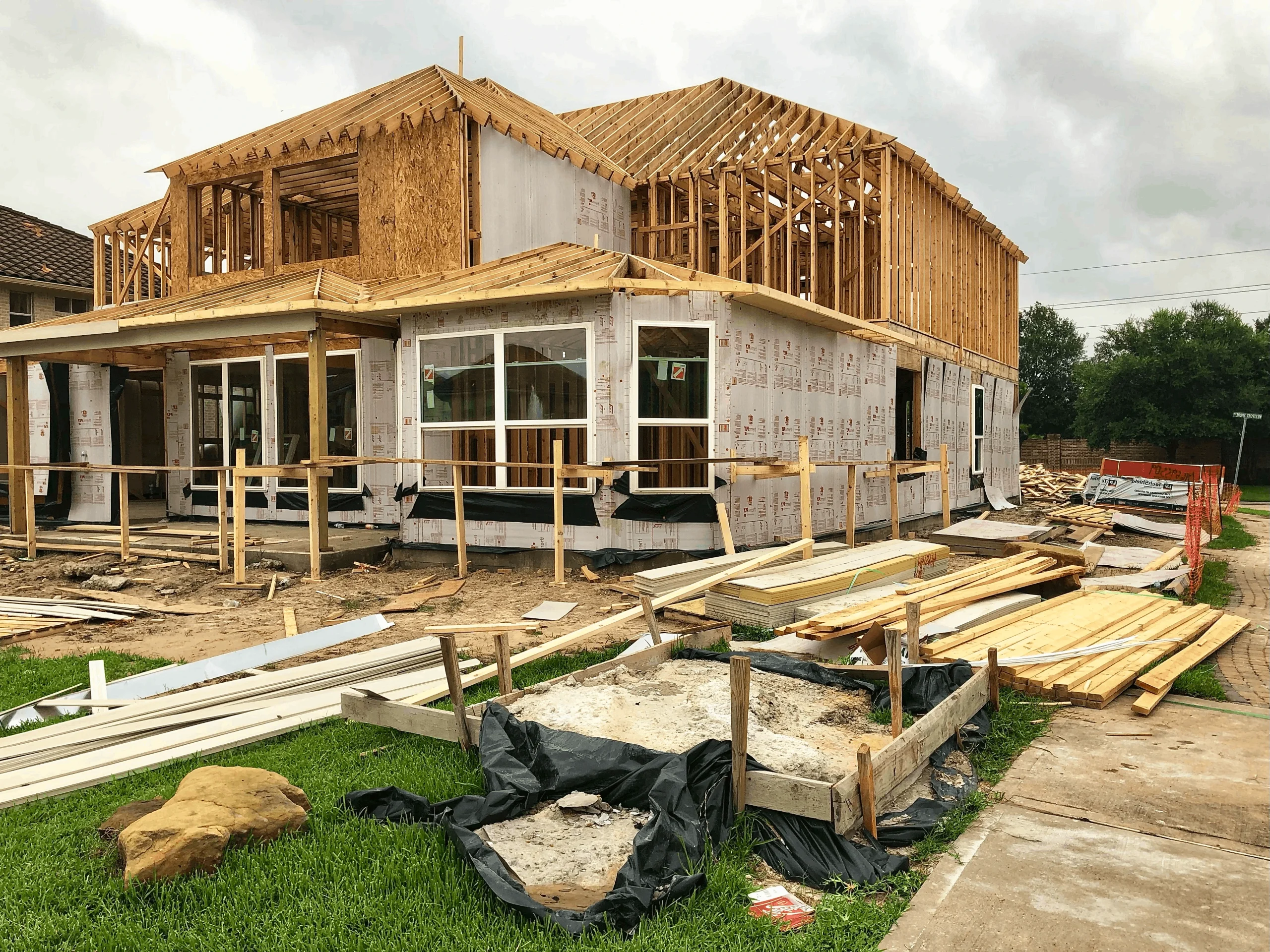




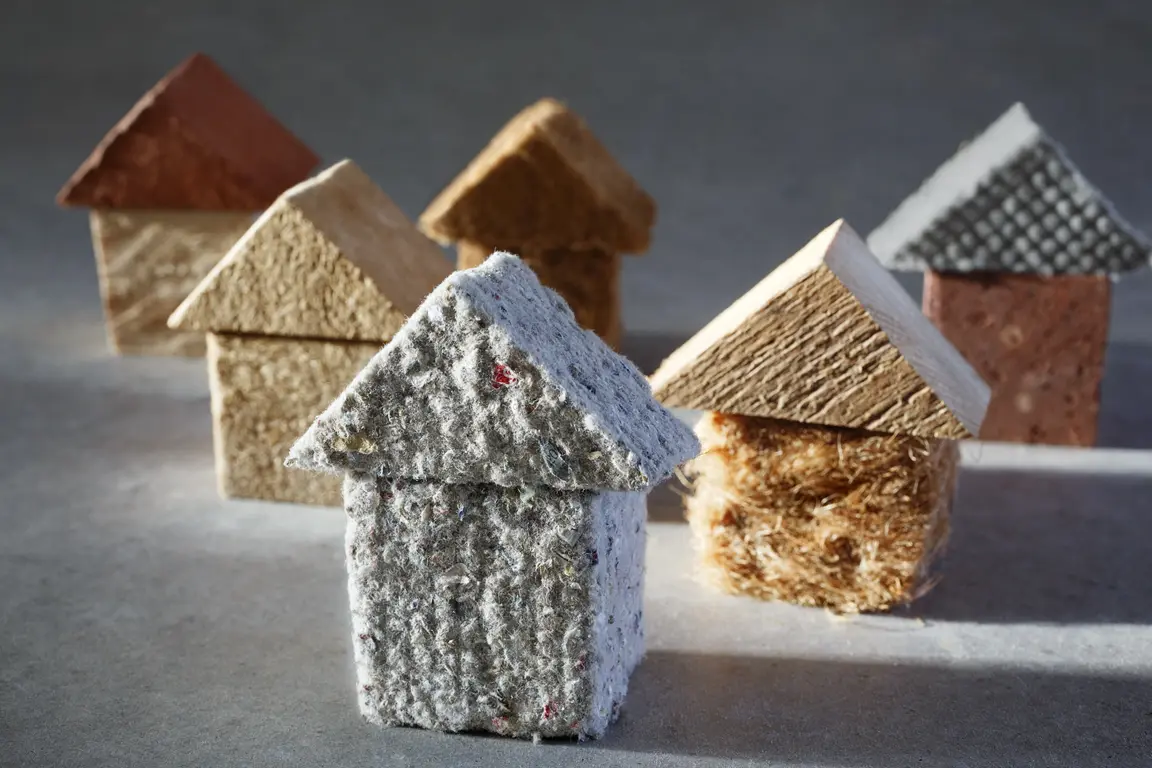
Eco-friendly building materials are reshaping modern construction by reducing environmental impact while improving durability, energy efficiency, and indoor comfort. In today’s construction industry, especially in regions like Chicago where weather conditions are extreme, material selection plays a critical role in long-term performance and sustainability.
Modern homeowners and builders are no longer choosing materials based only on cost or appearance. Instead, they are considering environmental impact, energy efficiency, lifespan, and maintenance requirements.
1. What Makes a Building Material Eco-Friendly
An eco-friendly building material is one that has a minimal negative impact on the environment throughout its lifecycle—from production and installation to use and disposal.
Key characteristics include:
- Low environmental impact during production
- High durability and long lifespan
- Recyclability or reusability
- Low energy consumption during manufacturing
The goal is to reduce waste, conserve resources, and improve building performance.
2. Recycled Steel and Metal Materials
Recycled steel is one of the most widely used sustainable materials in modern construction. It offers high strength while reducing the need for new raw material extraction.
Benefits include:
- Extremely durable and long-lasting
- Fully recyclable without quality loss
- High structural strength for framing and support
It is commonly used in commercial buildings and modern residential framing systems.
3. Bamboo as a Sustainable Alternative
Bamboo is one of the fastest-growing renewable materials available, making it a strong eco-friendly alternative to traditional wood.
Advantages include:
- Rapid regrowth cycle compared to timber
- High tensile strength
- Lightweight yet durable structure
- Natural aesthetic appeal
It is increasingly used in flooring, wall panels, and interior finishes.
4. Reclaimed and Recycled Wood
Reclaimed wood is sourced from old buildings, barns, and demolished structures, giving it a second life in modern construction.
Benefits include:
- Reduces deforestation
- Unique aesthetic character
- Strong durability from aged timber
It is often used for flooring, accent walls, and decorative elements.
5. Low-VOC Paints and Finishes
Volatile organic compounds (VOCs) found in traditional paints can negatively impact indoor air quality. Low-VOC and zero-VOC paints provide a safer alternative.
Advantages include:
- Improved indoor air quality
- Reduced health risks
- Environmentally safer production
These are widely used in both residential and commercial interiors.
6. Recycled Concrete and Aggregates
Concrete is one of the most commonly used materials in construction, but it also generates significant waste. Recycled concrete helps reduce environmental impact.
Benefits include:
- Reduces landfill waste
- Lower material production costs
- Suitable for roads, foundations, and structural fills
It is a practical solution for sustainable infrastructure development.
7. Insulated Concrete Forms (ICFs)
ICFs are an energy-efficient building system that combines insulation and structural support in one solution.
Benefits include:
- Excellent thermal insulation
- Improved energy efficiency
- High resistance to weather and fire
They are especially useful in climates with extreme temperature variations.
8. Cork as a Renewable Material
Cork is harvested from tree bark without harming the tree, making it a highly renewable resource.
Advantages include:
- Natural insulation properties
- Soundproofing capabilities
- Resistance to moisture and mold
It is commonly used in flooring and wall insulation.
9. Solar Reflective Roofing Materials
Eco-friendly roofing materials are designed to reduce heat absorption and improve energy efficiency.
Benefits include:
- Lower indoor cooling requirements
- Reduced energy consumption
- Extended roof lifespan
These materials are especially effective in reducing summer heat buildup.
10. Importance of Material Selection in Modern Homes
Choosing eco-friendly materials is not just about environmental responsibility—it also impacts long-term cost and performance.
Key considerations include:
- Durability and maintenance requirements
- Energy efficiency performance
- Climate suitability (especially for Chicago winters)
Smart material choices lead to better long-term results.
Final Thoughts
Eco-friendly building materials are becoming the foundation of modern construction. They offer a balance between sustainability, performance, and design flexibility.
In regions like Chicago, where buildings face extreme weather conditions, choosing the right materials is essential for durability and energy efficiency. Sustainable materials not only reduce environmental impact but also improve long-term value and comfort for homeowners.