
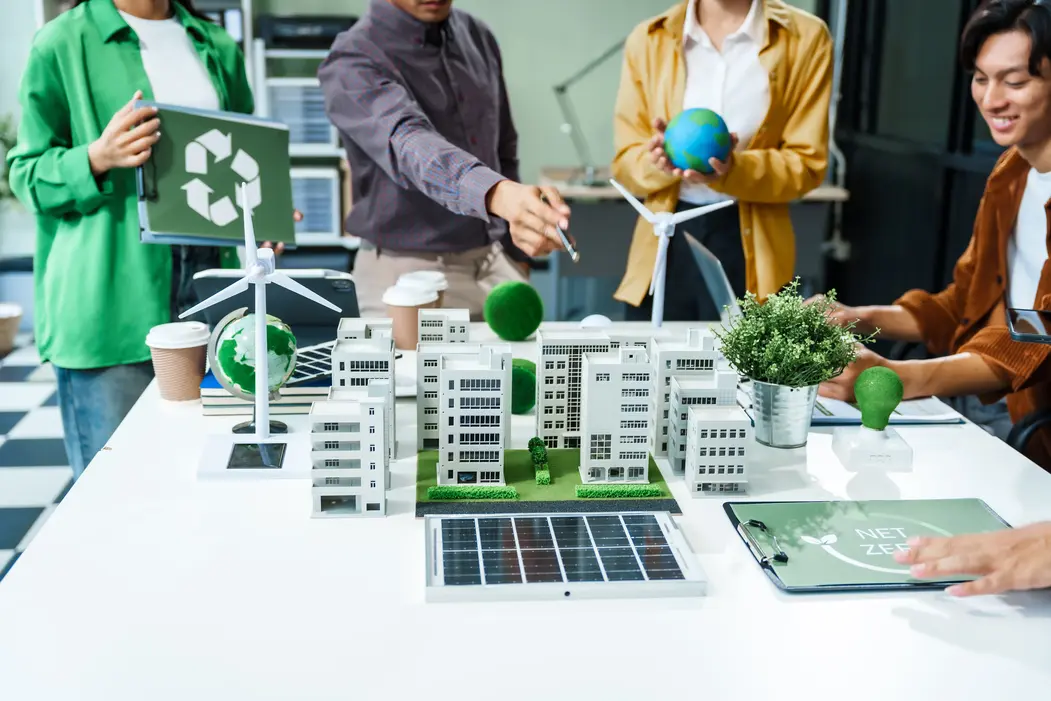
Green construction is no longer a future concept—it is already shaping how homes and commercial buildings are designed and built today. In cities like Chicago and surrounding suburbs, where energy consumption, harsh winters, and environmental concerns intersect, green construction has become a practical necessity rather than a luxury.
At its core, green construction focuses on creating buildings that are environmentally responsible, resource-efficient, and long-lasting throughout their entire lifecycle—from design and construction to operation and eventual renovation or demolition.
1. Understanding Green Construction
Green construction refers to building methods that reduce environmental impact while improving efficiency and occupant well-being. It is a holistic approach that considers energy use, water efficiency, material selection, indoor air quality, and long-term sustainability.
Unlike traditional construction, which often focuses on upfront cost and speed, green construction prioritizes long-term performance and environmental responsibility.
Key objectives include:
- Reducing energy consumption
- Minimizing waste during construction
- Using sustainable and recyclable materials
- Improving indoor environmental quality
2. Why Green Construction Matters Today
The importance of green construction has increased significantly due to rising energy costs, climate change concerns, and stricter building regulations. In regions like Illinois, buildings consume a large portion of energy, especially during extreme winters and hot summers.
Green construction helps address these challenges by reducing dependency on non-renewable energy sources and improving building efficiency.
It matters because:
- It reduces long-term operational costs
- It lowers environmental impact
- It improves comfort and indoor air quality
- It increases property value over time
3. Energy Efficiency as a Core Principle
One of the most important aspects of green construction is energy efficiency. Buildings are designed to use less energy for heating, cooling, lighting, and daily operations.
This is achieved through:
- High-performance insulation systems
- Energy-efficient windows and doors
- Smart HVAC systems
- Passive solar design techniques
These features significantly reduce energy waste and improve overall performance.
4. Sustainable Material Selection
Material selection plays a major role in green construction. The goal is to use materials that are durable, recyclable, and environmentally friendly.
Common sustainable materials include:
- Recycled steel and aluminum
- Bamboo and engineered wood
- Low-VOC paints and coatings
- Reclaimed building materials
These materials reduce environmental impact while maintaining structural strength and design flexibility.
5. Water Conservation Strategies
Green construction also focuses on reducing water consumption through efficient systems and smart design.
Key strategies include:
- Low-flow plumbing fixtures
- Rainwater harvesting systems
- Greywater recycling systems
- Efficient landscaping irrigation
These systems help conserve water and reduce utility costs over time.
6. Waste Reduction in Construction
Traditional construction methods generate significant waste, but green construction aims to minimize this through careful planning and recycling.
Waste reduction methods include:
- Prefabricated building components
- On-site material recycling
- Efficient project planning
- Reusing demolition materials where possible
This reduces landfill waste and construction costs.
7. Indoor Environmental Quality
Green construction is not only about the exterior—it also focuses on improving indoor environments for occupants.
This includes:
- Better air filtration systems
- Non-toxic building materials
- Improved ventilation and airflow
- Increased natural lighting
Healthier indoor environments lead to improved comfort and productivity.
8. Long-Term Financial Benefits
While green construction may have slightly higher initial costs, it offers significant long-term financial advantages.
Benefits include:
- Reduced energy and water bills
- Lower maintenance and repair costs
- Higher resale value
- Longer building lifespan
Over time, these savings often outweigh the initial investment.
9. Role of Technology in Green Construction
Technology is making green construction more efficient and accessible. Smart systems and digital tools help optimize building performance.
Examples include:
- Energy monitoring systems
- Smart thermostats and HVAC controls
- Building information modeling (BIM)
- Automated lighting systems
These technologies improve efficiency and reduce waste.
10. Future of Green Construction
The future of green construction is moving toward fully sustainable and energy-independent buildings. Innovations in materials, design, and technology are pushing the industry forward.
Future trends include:
- Net-zero energy buildings
- Carbon-neutral construction practices
- Smart adaptive building systems
- Advanced recyclable materials
Final Thoughts
Green construction is transforming the way buildings are designed and built. It is no longer an optional upgrade but a necessary approach for sustainable development.
In regions like Chicago, where energy demands are high and weather conditions are extreme, green construction provides a practical solution for efficiency, durability, and long-term value.