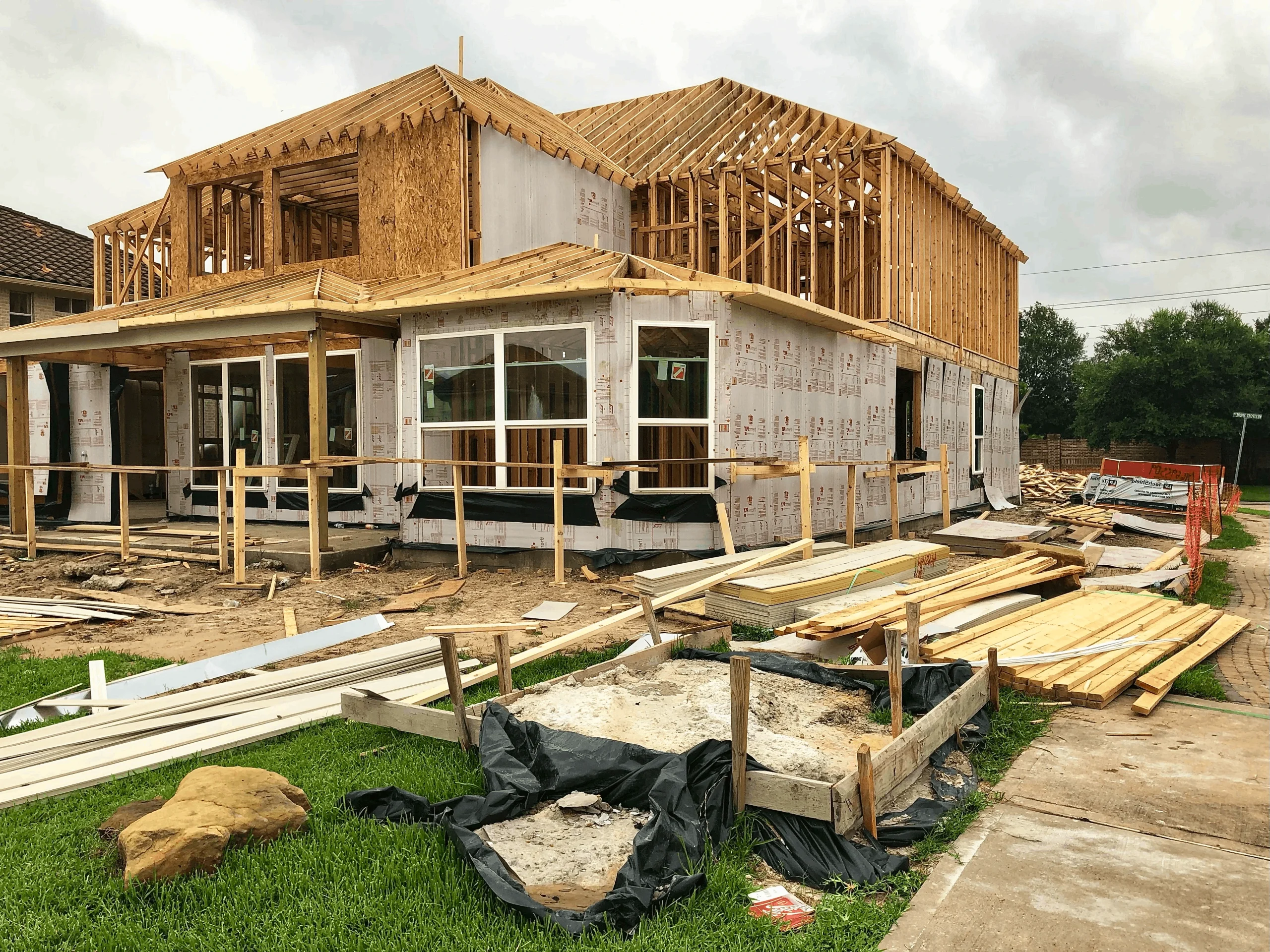

Exterior construction plays a major role in both protecting and enhancing a property. In a region like Chicagoland, where homes are exposed to harsh winters, heavy rain, strong winds, and seasonal temperature shifts, the exterior of a building is not just about appearance—it is a critical layer of defense. From siding and gutters to full exterior remodeling, every component contributes to durability, efficiency, and long-term property value.
Homeowners often focus on interior upgrades, but exterior construction is what ultimately protects everything inside. A well-designed and properly installed exterior system reduces maintenance costs, improves energy efficiency, and significantly boosts curb appeal.
1. Importance of Exterior Construction
The exterior of a home acts as the first line of protection against environmental conditions. In Illinois, weather can be unpredictable, which makes strong exterior systems essential.
Key functions of exterior construction include:
- Protecting structural components from moisture and weather damage
- Improving insulation and energy efficiency
- Enhancing visual appeal and property value
- Preventing long-term deterioration of the building structure
Without proper exterior construction, even a well-built home can experience costly damage over time.
2. Siding Installation and Protection
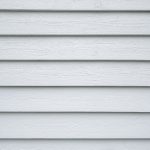
Siding is one of the most important exterior elements of any home. It protects the walls from moisture, wind, and temperature fluctuations while also defining the visual style of the property.
Common siding materials include:
- Vinyl siding for affordability and low maintenance
- Fiber cement siding for durability and weather resistance
- Wood siding for natural aesthetic appeal
- Engineered wood for a balance of strength and design
Proper installation ensures that siding remains tightly sealed, preventing water infiltration and heat loss. Poor installation, on the other hand, can lead to mold growth, structural damage, and higher energy bills.
3. Siding Replacement vs Repair
Homeowners often face the decision of whether to repair or replace siding. This depends on the extent of damage and the age of the material.
Repair is suitable when:
- Damage is limited to small sections
- Material is still structurally sound
- Moisture has not penetrated underlying layers
Replacement is recommended when:
- Widespread cracking or warping is present
- Moisture damage has spread behind siding
- The material has reached the end of its lifespan
In many Chicagoland homes, full replacement is often more cost-effective in the long run.
4. Gutters and Water Management Systems
Gutters are essential for controlling water flow and protecting both the roof and foundation. Without a proper drainage system, water can accumulate and cause serious structural issues.
Gutter systems help:
- Redirect rainwater away from the foundation
- Prevent soil erosion around the property
- Protect siding and exterior walls from water damage
- Reduce basement flooding risks
Seamless gutters are increasingly popular because they reduce leaks and require less maintenance compared to traditional sectional systems.
5. Gutter Maintenance and Common Issues
Even the best gutter systems require regular maintenance to function properly. In Illinois, seasonal debris such as leaves, snow, and ice can quickly clog drainage systems.
Common gutter issues include:
- Clogged downspouts restricting water flow
- Gutter sagging due to excess weight
- Ice dam formation during winter months
- Leaks at joints or connection points
Routine cleaning and inspection help extend the life of the entire exterior system.
6. Exterior Remodeling and Property Value
Exterior remodeling is one of the most effective ways to increase property value. It improves both aesthetics and functionality, making homes more attractive to buyers and more comfortable for occupants.
Common exterior remodeling projects include:
- Full siding replacement
- Window and door upgrades
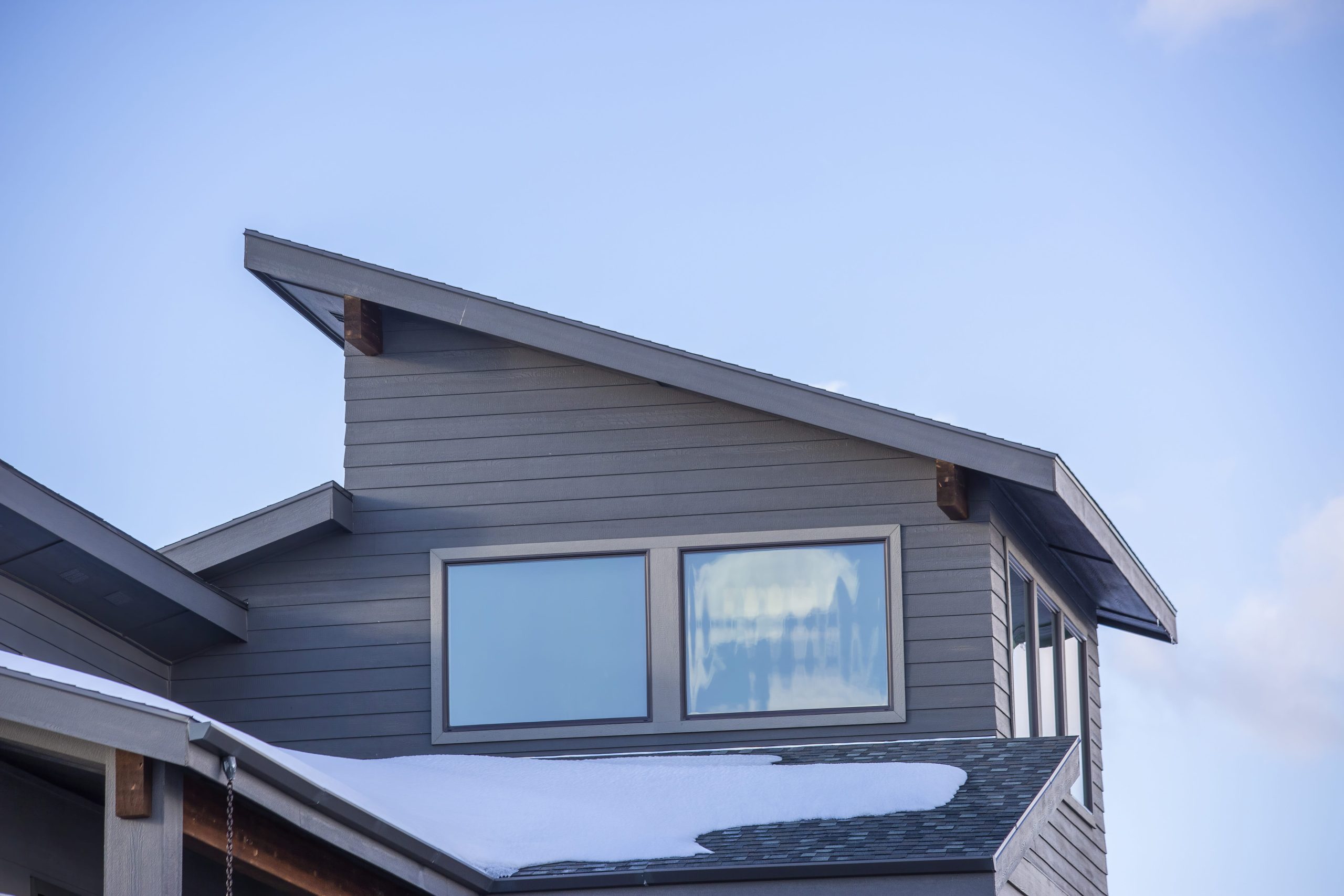
- Roofline redesign and enhancements
- Porch and entryway improvements
A modern exterior design can significantly increase curb appeal, which is a key factor in real estate value.
7. Energy Efficiency Through Exterior Upgrades
Exterior construction directly impacts a home’s energy performance. Poorly insulated or damaged exterior systems allow heat loss in winter and heat gain in summer.
Energy-efficient upgrades include:
- High-performance siding materials
- Proper wall insulation behind exterior layers
- Energy-efficient windows and doors
- Reflective roofing and exterior coatings
These improvements help reduce utility bills and create a more comfortable indoor environment.
8. Weather Challenges in Chicagoland
The Chicago climate presents unique challenges for exterior construction. Temperature extremes and seasonal storms require durable materials and proper installation techniques.
Key weather challenges include:
- Freeze-thaw cycles causing material expansion and contraction
- Heavy snow loads affecting structural integrity
- Strong winds damaging siding and roofing edges
- Moisture exposure leading to long-term deterioration
Construction methods must be adapted to handle these environmental conditions effectively.
9. Material Selection for Durability
Choosing the right materials is critical in exterior construction projects. The wrong choice can lead to frequent repairs and higher long-term costs.
Important material considerations include:
- Resistance to moisture and rot
- Thermal insulation performance
- Wind and impact resistance
- Maintenance requirements over time
High-quality materials may have a higher upfront cost but provide better long-term value and durability.
10. Professional Installation Matters
Even the best materials will fail if not installed correctly. Professional installation ensures that all components are properly sealed, aligned, and secured.
Benefits of professional exterior construction include:
- Long-lasting structural integrity
- Proper weatherproofing and sealing
- Reduced risk of future repairs
- Compliance with building standards
Experienced contractors also help identify potential issues before they become major problems.
Final Thoughts
Exterior construction is a critical investment in any property, especially in climates like Chicagoland where weather conditions can be harsh and unpredictable. From siding and gutters to full exterior remodeling, each component plays an essential role in protecting the structure and improving overall value.
By focusing on quality materials, proper installation, and regular maintenance, homeowners can ensure their exterior systems remain strong, efficient, and visually appealing for many years.