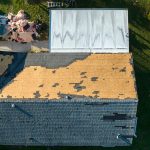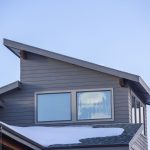






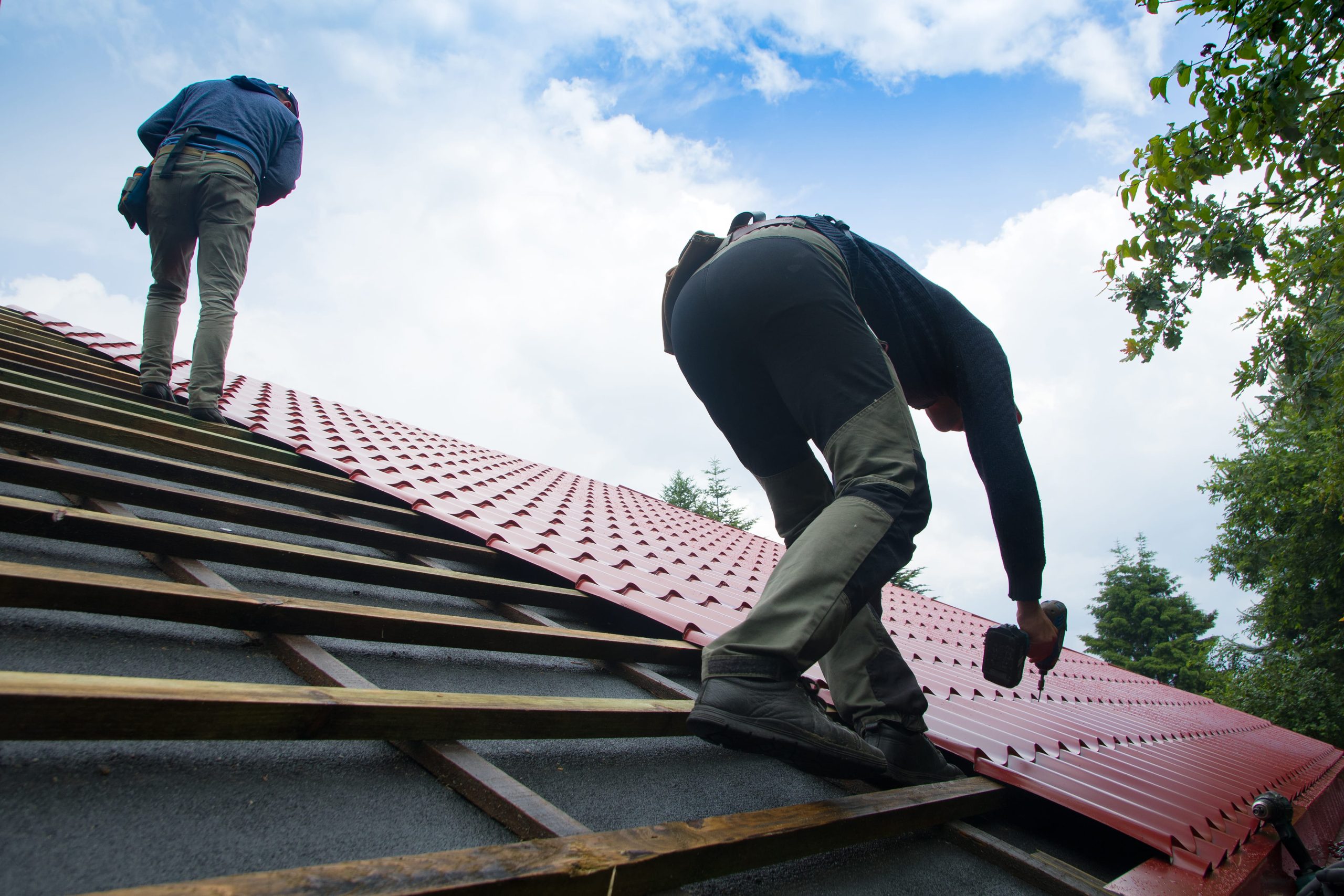
Storm damage is one of the most common reasons homeowners in Chicago need roofing services. High winds, hail, heavy rain, and snow can all compromise a roof’s structure in different ways. Restoration is not just about fixing visible damage—it’s about ensuring the entire roofing system is safe, durable, and weather-resistant again.
Understanding how contractors restore storm-damaged roofs helps homeowners know what to expect and why each step matters.
1. Initial Emergency Response
The first step after storm damage is an emergency response to prevent further harm to the home.
Contractors typically:
- Inspect the roof quickly for visible damage
- Place temporary tarps over exposed areas
- Secure loose shingles or materials
This step helps stop active leaks and protects the interior of the home.
2. Detailed Roof Inspection
Once the immediate threat is controlled, a full inspection is carried out to assess the total extent of the damage.
Inspection includes checking:
- Shingles and roofing surface condition
- Underlayment and waterproofing layers
- Flashing around chimneys and vents
- Structural decking and support
This ensures both visible and hidden damage is identified.
3. Damage Documentation
Proper documentation is essential for insurance claims and repair planning.
Contractors document:
- Photos of all damaged areas
- Detailed written reports
- Measurements of affected sections
This information is often submitted to insurance companies.
4. Repair vs. Replacement Decision
After inspection, contractors determine whether the roof can be repaired or needs full replacement.
This decision is based on:
- Age of the roof
- Extent of structural damage
- Material condition
Minor damage may require repairs, while severe damage often requires replacement.
5. Removing Damaged Materials
If repairs or replacement are needed, damaged materials are carefully removed to prepare the roof for restoration.
This includes:
- Removing broken shingles
- Clearing debris and damaged sections
- Inspecting the roof deck underneath
This step ensures a clean and stable base for repairs.
6. Repairing the Roof Structure
In cases where storm damage affects the roof’s structure, repairs are made before new materials are installed.
Structural repairs may include:
- Replacing damaged roof decking
- Reinforcing weak areas
- Fixing water-damaged supports
A strong foundation is essential for long-term durability.
7. Installing Underlayment and Waterproofing
After structural repairs, contractors install protective layers to prevent future leaks.
This involves:
- Ice and water shield installation
- Waterproof underlayment placement
- Sealing vulnerable roof sections
This step is especially important in Chicago’s extreme weather conditions.
8. Replacing Roofing Materials
Once the base layers are secured, new roofing materials are installed.
This includes:
- Shingle or panel installation
- Proper alignment and fastening
- Matching existing roof design (if partial repair)
The goal is to restore both function and appearance.
9. Flashing and Drainage System Repair
Storm damage often affects flashing and gutters, which are critical for water management.
Contractors repair or replace:
- Chimney and vent flashing
- Roof edge protection
- Gutters and downspouts
This helps prevent future water intrusion.
10. Final Inspection and Quality Check
After restoration work is completed, a final inspection ensures everything meets quality and safety standards.
Contractors check:
- Proper sealing of all roof sections
- Structural stability
- Water drainage efficiency
This step ensures the roof is fully restored and weather-ready.
Final Thoughts
Restoring a storm-damaged roof requires a structured and detailed approach. From emergency protection to final inspection, each step plays a critical role in ensuring long-term durability and safety.
In a region like Chicagoland, where storms are frequent and often severe, professional roof restoration is essential to protect homes and maintain property value.