






Roof damage caused by storms, hail, or strong winds is a common issue for homeowners in Chicago. In many cases, homeowners insurance can help cover repair or replacement costs—but only if the claim is handled correctly.
Understanding how the insurance claim process works can make a significant difference in how quickly and fairly your roof damage is resolved.
1. Understanding What Roof Damage Insurance Covers
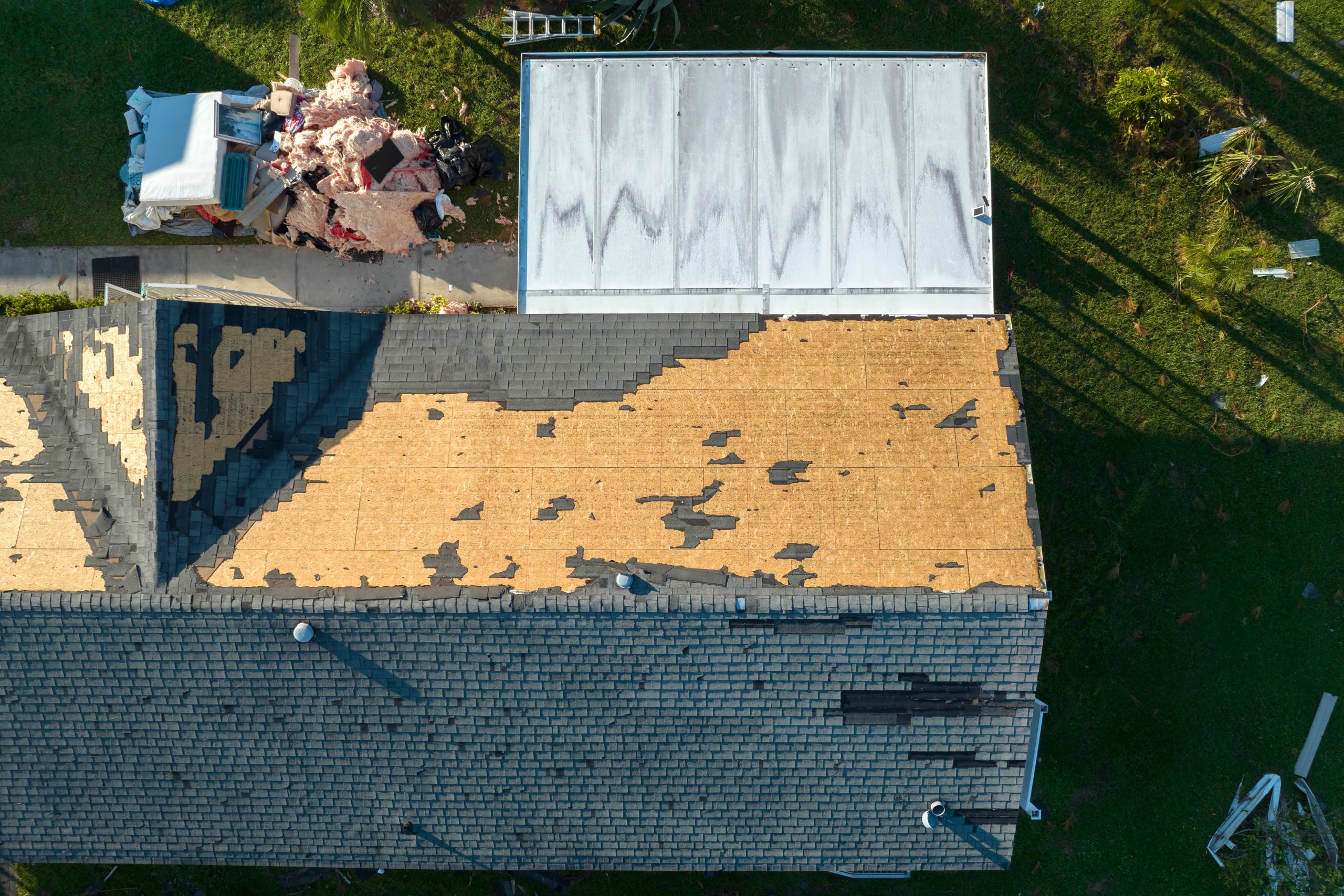
Most standard homeowners insurance policies cover sudden and accidental roof damage caused by weather events.
Typically covered issues include:
- Storm and wind damage
- Hail impact damage
- Falling tree or debris damage
- Sudden roof leaks caused by storms
However, damage due to poor maintenance or aging is usually not covered.
2. Inspecting Roof Damage After a Storm
Before filing a claim, it’s important to assess the extent of the damage safely. You don’t need to climb the roof—ground-level and interior inspections are enough to start.
Look for:
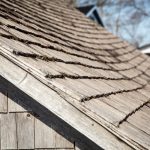
- Missing or broken shingles
- Water stains on ceilings or walls
- Damaged gutters or flashing
- Debris or visible roof impact marks
Documenting everything clearly is essential for your claim.
3. Documenting the Damage Properly
Insurance companies require strong evidence before approving claims. Proper documentation increases your chances of approval.
You should:
- Take clear photos of all visible damage
- Record the date and time of the storm
- Keep notes of any interior leaks or issues
The more detailed your records, the better your claim outcome.
4. Contacting a Roofing Contractor First
Before or immediately after filing a claim, it is highly recommended to contact a professional roofing contractor.
A contractor can:
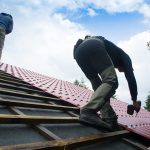
- Perform a full roof inspection
- Provide a detailed damage report
- Offer a repair or replacement estimate
This documentation is often critical for insurance approval.
5. Filing the Insurance Claim
Once damage is confirmed, you can file a claim with your insurance provider. This process usually involves submitting documentation and scheduling an inspection.
Steps include:
- Contacting your insurance company
- Submitting photos and reports
- Scheduling an adjuster visit
Clear communication helps speed up the process.
6. Working With the Insurance Adjuster
The insurance adjuster evaluates the damage to determine how much coverage will be provided. Having a contractor present during this inspection can be very helpful.
The adjuster will check:
- Extent of roof damage
- Cause of the damage
- Repair or replacement requirements
This assessment directly impacts your payout.
7. Common Reasons Claims Get Denied
Not all claims are approved. Understanding common denial reasons can help you avoid mistakes.
Claims may be denied due to:
- Lack of proper documentation
- Pre-existing roof damage
- Neglect or poor maintenance
- Delayed reporting of damage
Proper preparation reduces the risk of denial.
8. Repair vs. Replacement Decisions
After inspection, the insurance company will decide whether your roof needs repair or full replacement.
Factors considered include:
- Age of the roof
- Extent of damage
- Type of roofing material
Severe or widespread damage often results in full replacement approval.
9. Role of Roofing Contractors in Claims
Experienced roofing contractors often assist homeowners throughout the insurance process.
They help with:
- Damage assessment reports
- Meeting with adjusters
- Providing accurate repair estimates
This support ensures homeowners receive fair compensation.
10. Final Repair and Restoration Process
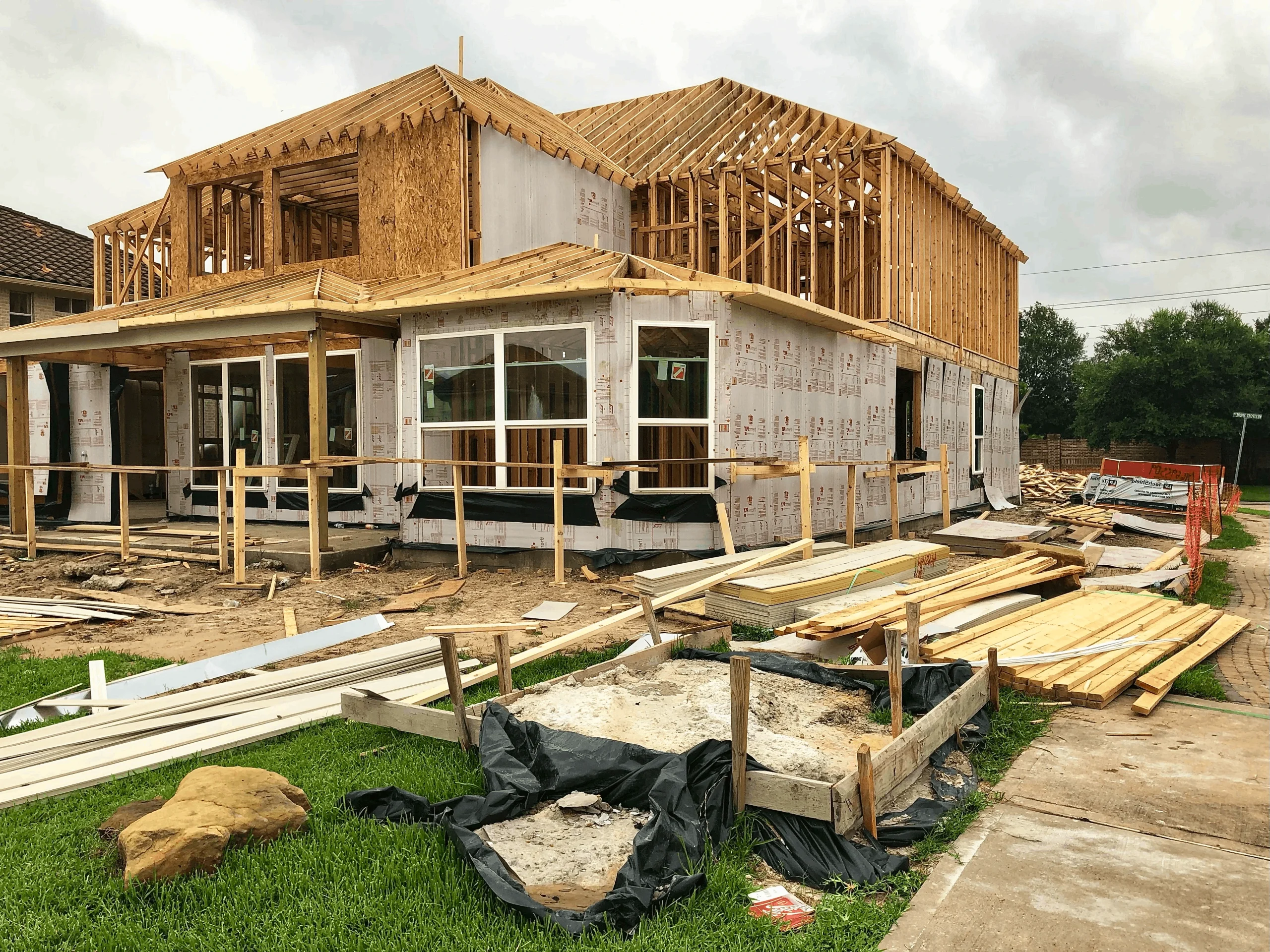
Once the claim is approved, repairs or roof replacement can begin. Contractors follow the approved scope of work provided by the insurance company.
The process includes:
- Material selection and delivery
- Roof repair or full replacement
- Final inspection and cleanup
This restores your home to its original condition.
Final Thoughts
Filing a roof insurance claim in Chicago can be straightforward if handled properly. The key is quick action, proper documentation, and working with experienced roofing professionals.
By understanding the process, homeowners can avoid delays, reduce stress, and ensure they receive fair coverage for storm-related roof damage.