






Building code compliance is one of the most important aspects of any construction project in Illinois. Whether it’s a residential home, commercial office, or industrial facility, every structure must meet specific safety, structural, and accessibility standards before it can be approved for use.
In Chicagoland, where construction regulations are strictly enforced, understanding building codes is essential for avoiding delays, penalties, and costly rework.
What Are Building Codes?
Building codes are a set of rules that define the minimum standards for construction. These codes ensure that buildings are safe, durable, and suitable for occupancy.
They cover areas such as:
- Structural integrity
- Fire safety systems
- Electrical installations
- Plumbing systems
- Energy efficiency
- Accessibility requirements
Compliance is mandatory for all construction projects in Illinois.
1. Structural Safety Requirements
One of the core components of building codes is structural safety. This ensures that buildings can withstand environmental forces such as wind, snow loads, and soil movement.
Key requirements include:
- Proper foundation design
- Load-bearing wall specifications
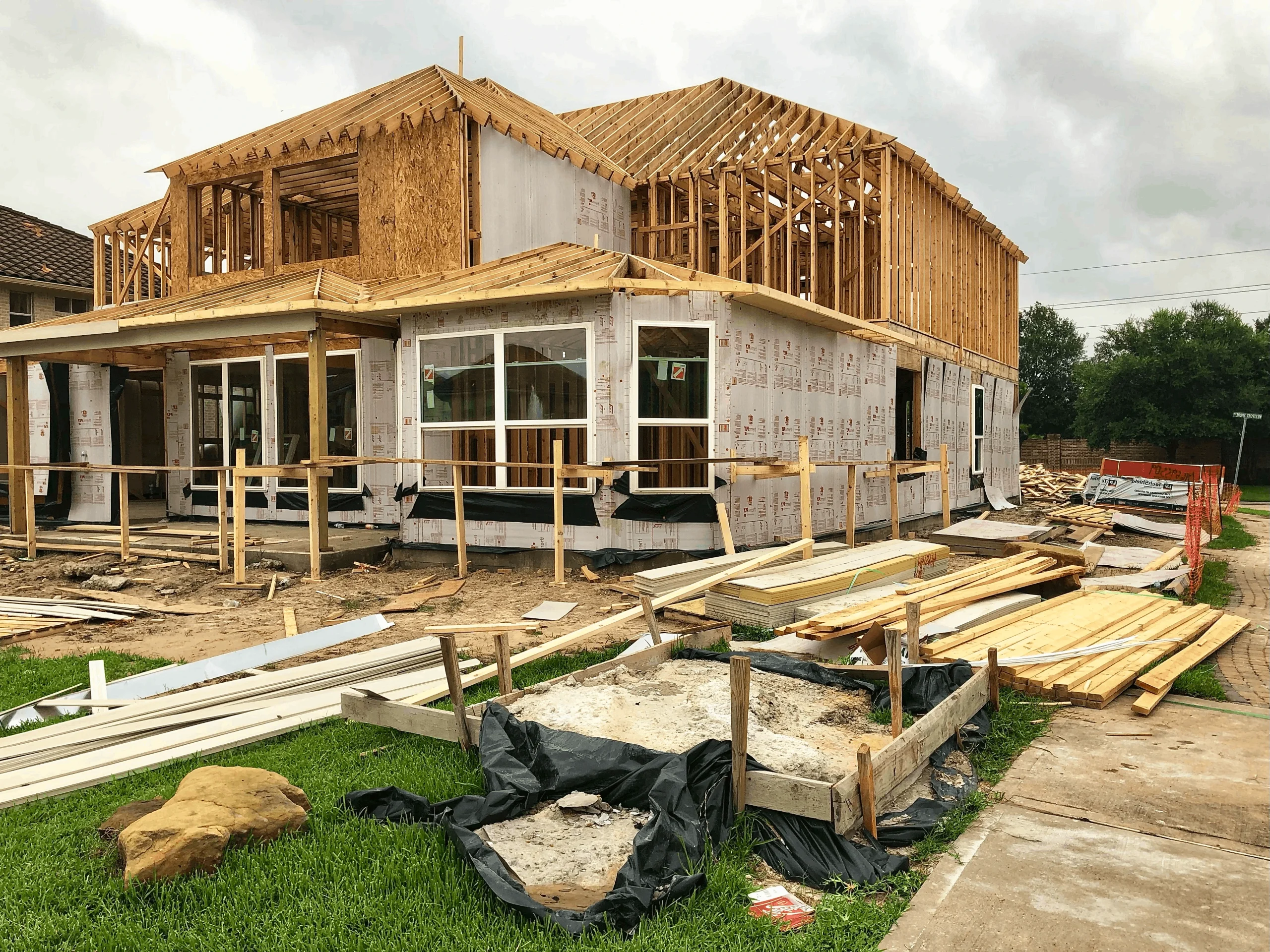
- Roof and framing standards
These rules help ensure long-term stability and safety of the structure.
2. Electrical Code Compliance
Electrical systems must be installed according to strict safety standards to prevent hazards such as fires or shocks.
Compliance includes:
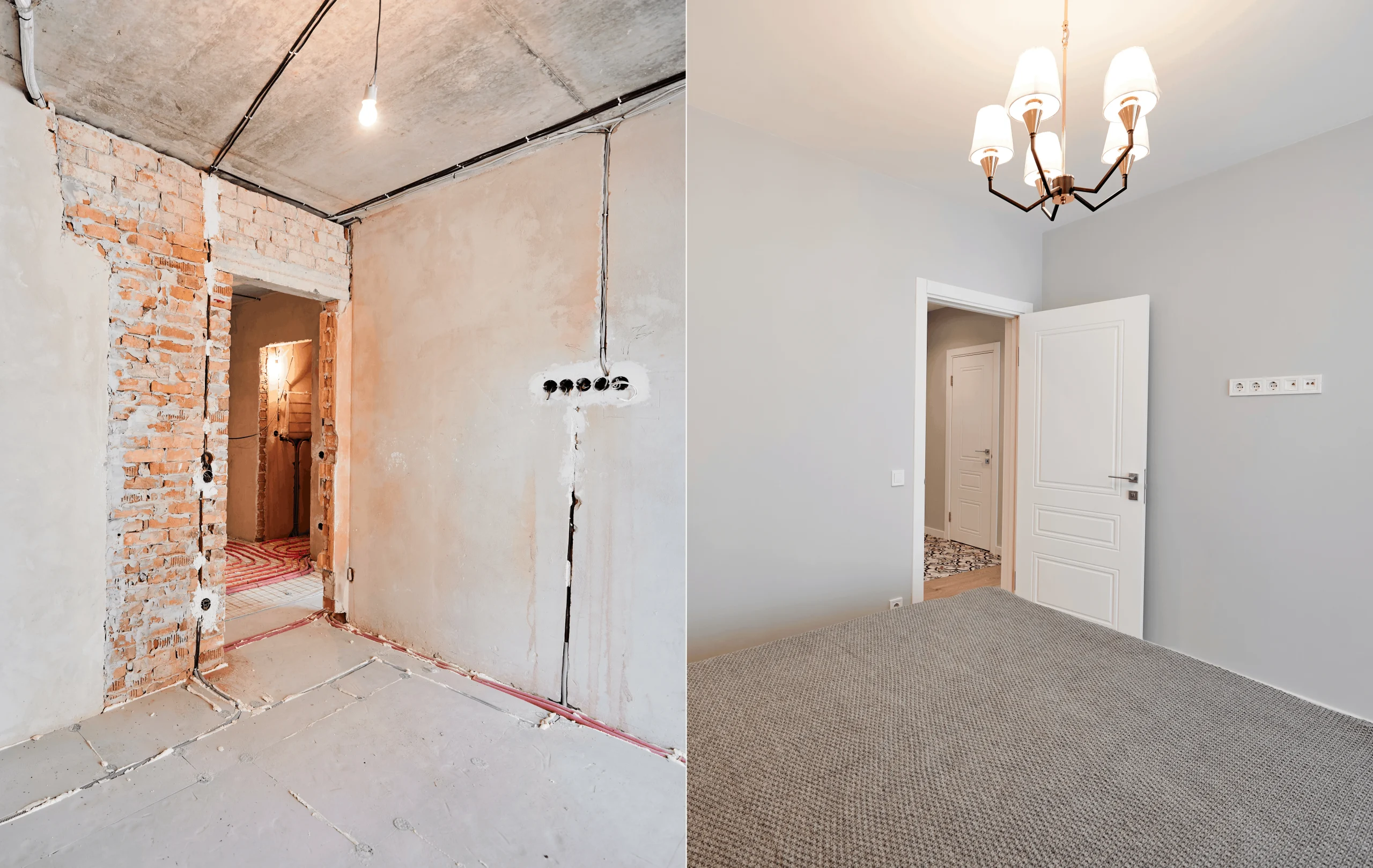
- Proper wiring installation
- Correct breaker panel sizing
- Grounding and safety systems
- Safe outlet and switch placement
All electrical work must be inspected before approval.
3. Plumbing and Water Systems
Plumbing codes ensure that water supply and drainage systems are safe, efficient, and hygienic.
Key requirements include:
- Proper pipe sizing and materials
- Drainage system design
- Backflow prevention systems
- Safe water supply connections
Incorrect plumbing installations can lead to serious health and safety issues.
4. Fire Safety Regulations
Fire safety is a critical part of building code compliance. These rules are designed to protect occupants and minimize fire risks.
Common requirements include:
- Smoke detectors and alarm systems
- Fire exits and escape routes
- Fire-resistant materials
- Sprinkler system installations in commercial buildings
Proper fire safety design can save lives and prevent property damage.
5. Energy Efficiency Standards
Illinois building codes also focus on energy efficiency to reduce environmental impact and operational costs.
These standards include:
- Insulation requirements
- Energy-efficient windows and doors
- HVAC system efficiency
- Lighting efficiency standards
Energy compliance helps reduce long-term utility expenses.
6. Accessibility Requirements (ADA Compliance)
Commercial buildings in Illinois must comply with accessibility standards to ensure they are usable by individuals with disabilities.
Key requirements include:
- Wheelchair-accessible entrances
- Accessible restrooms
- Proper doorway widths
- Ramps and elevator access
These rules ensure inclusivity and legal compliance.
7. Permits and Inspections
Building code compliance is closely tied to the permit and inspection process. Every stage of construction must be reviewed to ensure compliance.
This includes:
- Initial plan approval
- Foundation inspections
- Electrical and plumbing inspections
- Final occupancy approval
Inspections ensure that all work meets required standards.
8. Consequences of Non-Compliance
Failing to comply with building codes can result in serious consequences, including:
- Fines and penalties
- Project shutdowns
- Mandatory rework or demolition
- Delays in project completion
Non-compliance can also affect property resale and insurance coverage.
9. Role of General Contractors in Compliance
General contractors play a key role in ensuring building code compliance throughout the project lifecycle.
They are responsible for:
- Understanding local regulations
- Ensuring proper construction methods
- Coordinating inspections
- Correcting compliance issues when needed
Their expertise helps prevent costly mistakes.
10. Staying Updated With Code Changes
Building codes are regularly updated to reflect new safety standards and technologies. Staying updated is essential for ongoing compliance.
This involves:
- Following local building authority updates
- Working with experienced professionals
- Adjusting construction practices when needed
Up-to-date knowledge ensures smooth project approvals.
Final Thoughts
Building code compliance in Illinois is not optional—it is a fundamental requirement for every construction project. These regulations ensure safety, efficiency, and long-term durability of all structures.
By understanding and following building codes properly, contractors and property owners can avoid delays, reduce risks, and ensure successful project completion in Chicagoland’s highly regulated construction environment.