
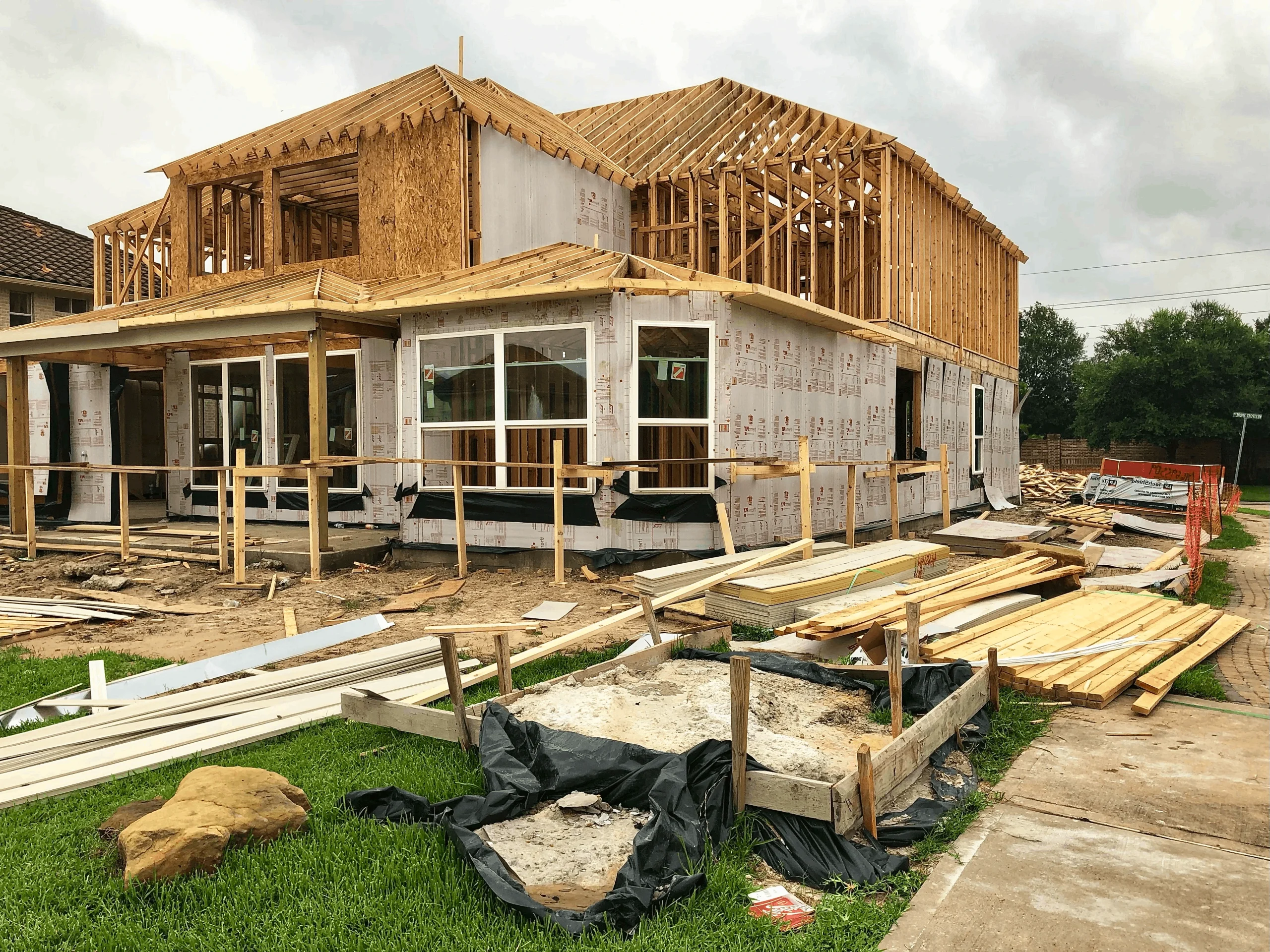

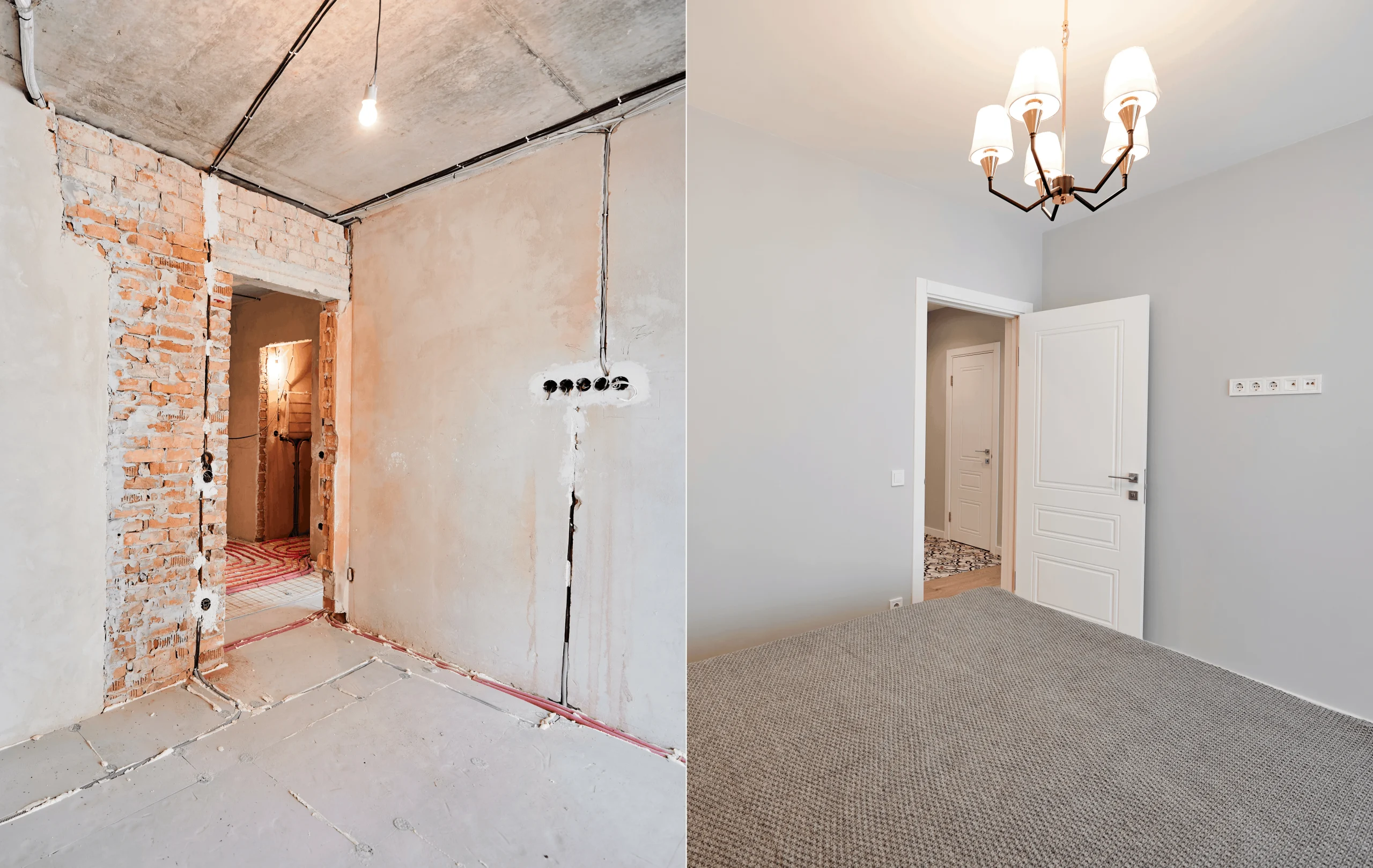






Accurate cost estimation is one of the most critical parts of any construction project. Whether it’s a residential build or a large commercial development in Chicagoland, proper budgeting determines how smoothly the entire project will run.
A well-prepared estimate helps clients understand the financial scope, avoid surprises, and make informed decisions before construction begins.
What Is Construction Cost Estimation?
Construction cost estimation is the process of predicting the total cost of a project before work starts. It includes materials, labor, equipment, permits, and other related expenses.
The goal is to create a realistic budget that reflects actual project requirements.
1. Understanding Project Scope
The first step in accurate estimation is understanding the full scope of the project. Without a clear scope, cost predictions become unreliable.
Contractors evaluate:
- Project size and complexity
- Design requirements
- Structural specifications
- Timeline expectations
A detailed scope ensures no hidden costs are missed later.
2. Material Cost Calculation
Materials are a major part of any construction budget. Prices can vary depending on quality, availability, and market conditions in Chicago.
Material estimation includes:
- Concrete, steel, and wood quantities
- Finishing materials like flooring and paint
- Electrical and plumbing supplies
- Specialty or custom materials
Accurate material takeoffs help prevent overordering or shortages.
3. Labor Cost Estimation
Labor is another significant cost factor. Contractors estimate how many workers are needed and how long the project will take.
This includes:
- Skilled labor (electricians, plumbers, carpenters)
- General labor workforce
- Subcontractor fees
Labor costs vary based on project complexity and timeline demands.
4. Equipment and Machinery Costs
Some projects require heavy machinery or specialized equipment, which adds to overall costs.
These may include:
- Excavators and loaders
- Cranes and lifts
- Power tools and generators
Equipment costs are calculated based on rental duration or ownership usage.
5. Permits and Regulatory Fees
Every construction project in Chicago requires permits, and these come with associated costs.
Common fees include:
- Building permits
- Electrical and plumbing permits
- Inspection charges
These must be included in the initial estimate to avoid budget gaps.
6. Site Conditions and Preparation
Site conditions can significantly affect costs. Before construction begins, contractors evaluate the land or existing structure.
Factors include:
- Soil conditions
- Demolition requirements
- Site accessibility
- Utility connections
Difficult site conditions often increase overall costs.
7. Contingency Planning
No construction project is completely predictable. Unexpected changes often occur during execution.
Contractors typically add a contingency budget of:
- 5% to 15% of total project cost
This covers unforeseen expenses like material price changes or design modifications.
8. Market Price Fluctuations
Construction material and labor costs can change due to market conditions. Contractors must account for these fluctuations when preparing estimates.
They monitor:
- Steel and lumber price trends
- Local labor rate changes
- Supply chain availability
Up-to-date pricing ensures more accurate estimates.
9. Use of Estimation Software
Modern contractors use digital tools to improve accuracy and efficiency in cost estimation.
Common tools include:
- Construction estimating software
- 3D modeling and BIM systems
- Project management platforms
These tools reduce human error and improve precision.
10. Experience and Historical Data
Experienced contractors rely on past projects to improve estimation accuracy. Historical data helps predict realistic costs and timelines.
They consider:
- Similar past project costs
- Actual vs estimated comparisons
- Regional construction trends in Chicago
Experience plays a key role in delivering reliable estimates.
Final Thoughts
Accurate construction cost estimation is essential for successful project planning. It ensures financial transparency, reduces risks, and helps clients make informed decisions.
In Chicago’s dynamic construction environment, contractors who combine experience, technology, and detailed planning can deliver highly accurate estimates that keep projects on track from start to finish.