


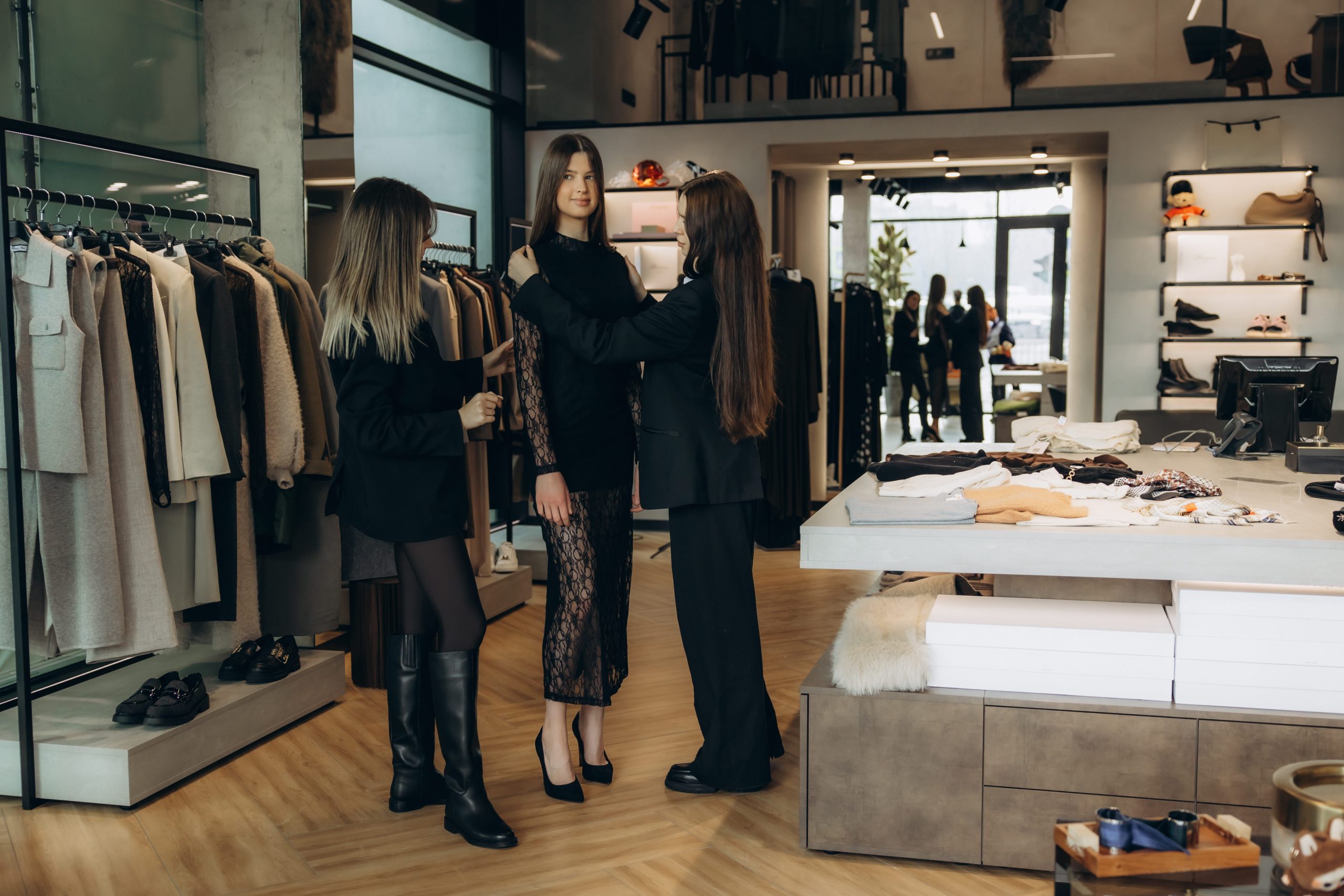
In retail construction, design is not just about aesthetics—it directly influences customer behavior, dwell time, and purchasing decisions. In competitive markets like Chicago, a well-designed retail space can be the difference between a store that attracts consistent foot traffic and one that gets ignored.
The goal of retail design is simple: guide customers naturally, keep them engaged, and make the buying process feel effortless.
1. Create a Strong First Impression at Entry
The entrance is the most critical part of any retail space. Customers decide within seconds whether they feel comfortable enough to enter and explore.
Effective entry design includes:
- Clear and open storefront visibility
- Well-lit entrance areas
- Clean signage with strong branding
- Inviting display windows
A cluttered or confusing entrance can reduce foot traffic immediately.
2. Use Strategic Product Placement
Product placement plays a major role in influencing buying decisions. Customers tend to focus on what they see first and what is placed at eye level.
Smart placement strategies include:
- High-margin products near entrance zones
- Eye-level shelving for best-selling items
- Impulse products near checkout counters
- Thematic grouping of related products
This approach naturally increases the chances of purchase without aggressive marketing.
3. Design a Logical Customer Flow
How customers move through your store determines how much they see and buy. A poorly designed layout can cause confusion or limit exposure to products.
Effective flow design includes:
- Clear walking paths without obstacles
- Guided movement through key product zones
- Loop or circular layouts that encourage exploration
- Visible signage for navigation
The longer customers stay engaged, the higher the likelihood of sales.
4. Lighting That Influences Buying Behavior
Lighting is one of the most powerful design tools in retail environments. It affects mood, product visibility, and overall shopping experience.
Key lighting techniques include:
- Accent lighting to highlight featured products
- Warm lighting for comfort and relaxation
- Bright lighting in high-traffic areas
- Spotlighting for promotional displays
Good lighting makes products more appealing and increases perceived value.
5. Use Color Psychology in Design
Colors influence emotions and behavior. Retail spaces in Chicago often use color psychology to strengthen brand identity and encourage purchases.
Examples include:
- Red for urgency and impulse buying
- Blue for trust and reliability
- Green for calm and eco-friendly branding
- Yellow for attention and energy
The right color palette helps shape customer perception instantly.
6. Maximize Window Displays
Window displays are free advertising for your store. They are often the first interaction potential customers have with your brand.
Effective window design includes:
- Seasonal or promotional themes
- Clean and minimal visual layouts
- Strong focal points for attention
- Regular updates to stay relevant
Outdated or cluttered windows reduce customer interest significantly.
7. Create Comfortable Shopping Environments
Customer comfort directly impacts how long they stay in your store. A comfortable shopper is more likely to explore and purchase more items.
Comfort-focused design includes:
- Proper temperature control (HVAC systems)
- Spacious aisles for movement
- Seating areas in larger retail stores
- Clean and organized layouts
Comfort increases dwell time, which often leads to higher sales.
8. Integrate Technology for Engagement
Modern retail spaces are increasingly using technology to improve customer experience and engagement.
Popular integrations include:
- Digital product displays
- Interactive kiosks
- QR code product information
- Smart checkout systems
Technology creates a more dynamic and modern shopping experience.
9. Focus on Branding Consistency
Consistency across the entire retail space builds trust and recognition. Every design element should reflect the brand identity.
This includes:
- Consistent color schemes
- Unified signage style
- Matching fixtures and furniture
- Branded interior elements
Strong branding makes the store more memorable.
10. Optimize Checkout Experience
The checkout area is the final touchpoint in the customer journey. A smooth experience here can leave a lasting positive impression.
Best practices include:
- Fast and efficient POS systems
- Clear queue organization
- Impulse product placement
- Friendly and accessible layout
A well-designed checkout area can increase repeat customers.
Final Thoughts
Retail design is a powerful tool for attracting and retaining customers. In Chicago’s competitive retail market, thoughtful design can significantly improve sales performance and customer satisfaction.
By focusing on layout, lighting, branding, and customer flow, business owners can create retail spaces that not only look good but also actively drive revenue growth.