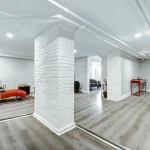
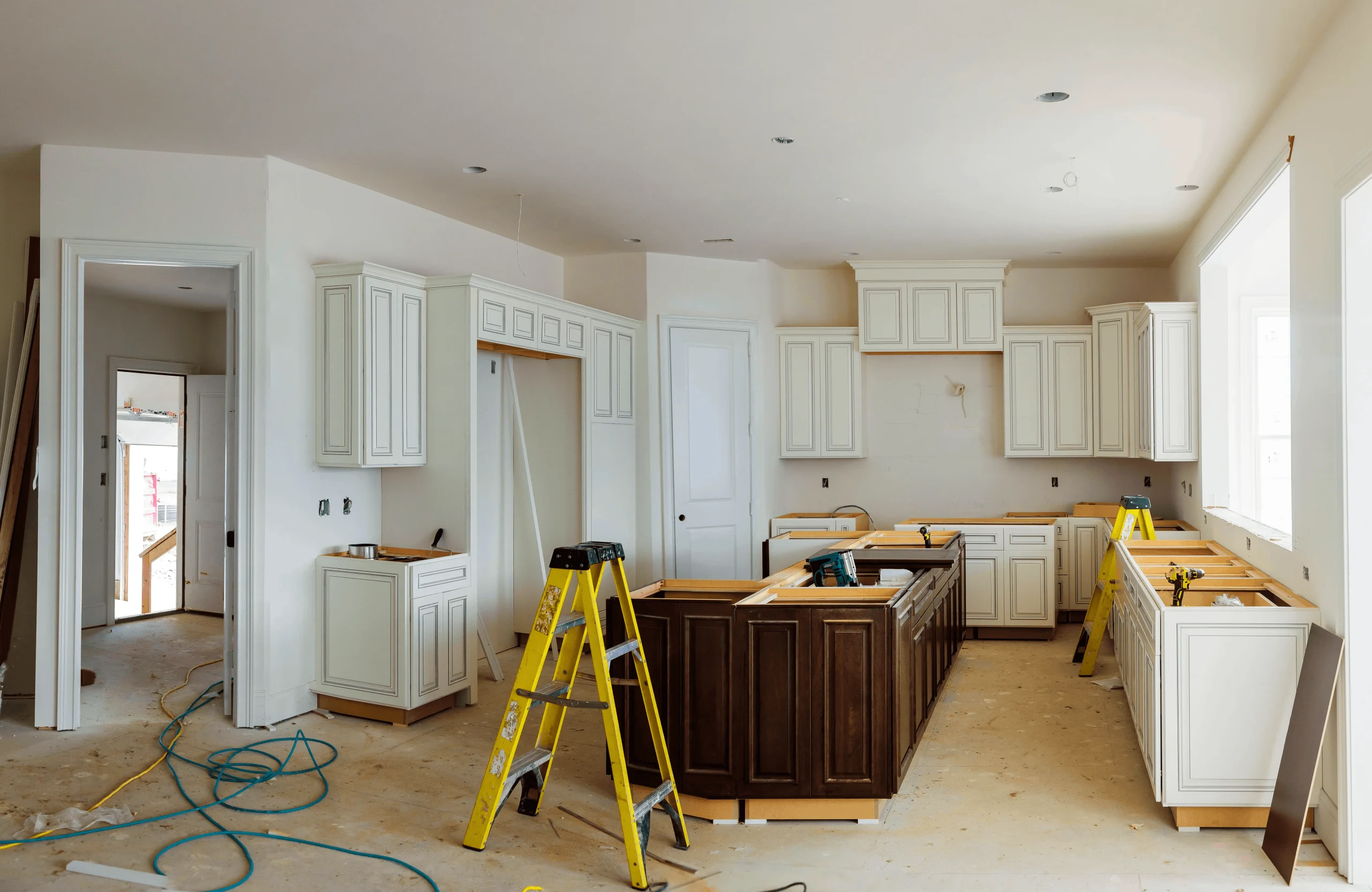






Basement finishing is one of the most valuable home improvement projects in Chicagoland, but it also comes with a wide range of costs depending on design, materials, and functionality. Understanding where your money goes helps you plan better, avoid surprises, and make smarter decisions throughout the project.
In most cases, basement finishing is not a fixed-price job. Instead, it’s a combination of multiple cost components that together determine the final investment.
Average Basement Finishing Cost in Chicagoland
On average, basement finishing in the Chicago suburbs typically falls within the following range:
- Basic finishing: $30 to $60 per square foot
- Mid-range finishing: $60 to $100 per square foot
- High-end custom basement: $100 to $200+ per square foot
For example, a 1,000 sq. ft. basement can cost anywhere from $30,000 to $200,000 depending on the level of customization and materials used.
1. Design and Planning Costs
The first stage of any basement project is design and planning. This includes layout creation, architectural drawings, and material selection.
Typical costs include:
- Design consultation fees
- Architectural plans
- 3D visualization (optional)
This stage ensures the project is properly structured before construction begins, helping avoid expensive changes later.
2. Permits and Inspection Fees
In Chicagoland, basement finishing almost always requires permits. These fees vary depending on the municipality and scope of work.
Common permit-related costs include:
- Building permits
- Electrical permits
- Plumbing permits (if applicable)
- Inspection fees
Although often overlooked, these costs are essential for legal compliance and safety approval.
3. Framing and Structural Work
Framing is one of the major cost components in basement finishing. It defines the layout of rooms and spaces.
Costs in this category include:
- Wood or metal framing materials
- Labor for wall construction
- Structural adjustments if needed
The more complex the layout, the higher the framing cost.
4. Electrical and Lighting Installation
Electrical work is a critical part of basement finishing, especially if you are adding new rooms, entertainment areas, or offices.
Typical electrical costs include:
- Wiring and outlets
- Breaker panel upgrades
- Recessed lighting installation
- Specialized lighting systems
Smart lighting and modern electrical setups can increase costs but significantly improve functionality.
5. Plumbing Costs (If Applicable)
If your basement includes a bathroom, kitchenette, or laundry area, plumbing costs will be a significant part of the budget.
These may include:
- Water supply line installation
- Drainage system setup
- Bathroom fixtures (toilets, sinks, showers)
- Sump pump installation or upgrades
Plumbing work is often one of the more expensive components due to complexity and code requirements.
6. Insulation and Waterproofing
Proper insulation and waterproofing are essential in Illinois due to seasonal temperature changes and moisture risks.
Costs typically include:
- Moisture barriers
- Thermal insulation for walls
- Floor sealing systems
- Sump pump systems (if required)
This step protects your investment and ensures long-term durability.
7. Drywall, Painting, and Finishing
Once the structure is complete, drywall installation and finishing bring the basement to life.
Costs in this phase include:
- Drywall installation and taping
- Interior painting
- Ceiling finishing (drop ceiling or drywall)
This stage has a major impact on the final appearance of the space.
8. Flooring Installation
Flooring selection significantly affects both cost and durability. Basement floors must be moisture-resistant and long-lasting.
Popular options include:
- Luxury vinyl plank (LVP)
- Ceramic or porcelain tile
- Engineered hardwood
Costs vary depending on material quality and installation complexity.
9. Fixtures and Custom Features
This category includes everything that makes the basement functional and personalized.
Examples include:
- Built-in cabinetry
- Entertainment systems
- Bathroom fixtures
- Bar or kitchenette installations
Custom features can significantly increase costs but also add strong lifestyle and resale value.
10. Labor Costs
Labor is one of the largest components of any basement finishing project. Skilled trades such as carpenters, electricians, plumbers, and painters all contribute to the final cost.
Labor costs depend on:
- Project complexity
- Timeline requirements
- Contractor experience
- Local market rates in Chicagoland
Final Thoughts
The cost of basement finishing in Chicagoland varies widely, but understanding each component helps you plan realistically and avoid unexpected expenses. From design and permits to flooring and final finishes, every stage contributes to the total investment.
A well-planned basement not only increases usable living space but also adds significant long-term value to your home. With the right budgeting and professional execution, it becomes one of the most rewarding upgrades you can make.