






Basement remodeling in Illinois is a great way to increase living space and property value, but before any work begins, one critical question always comes up: do you need a permit?
The short answer is yes—in most cases, basement remodeling projects in Illinois require permits. However, the exact requirements depend on the type of work being done, local building codes, and the city or county regulations within Chicagoland.
Understanding permit rules before starting your project can save you from costly fines, delays, or even having to undo completed work.
When a Basement Permit Is Required
In Illinois, permits are typically required when your basement remodel involves structural, electrical, plumbing, or mechanical changes. This is to ensure all work meets safety and building code standards.
You will usually need a permit if you plan to:
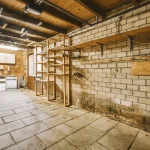
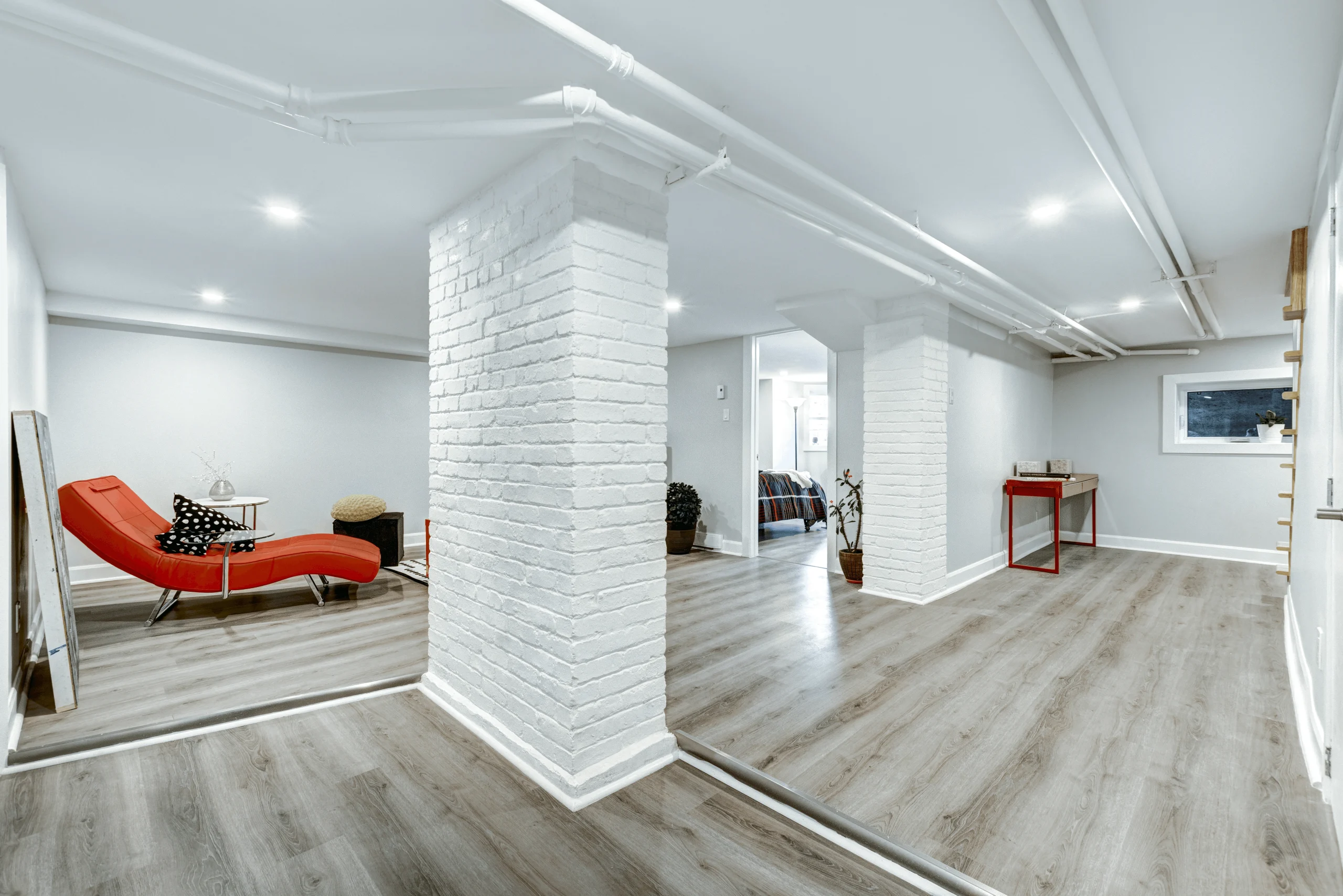
- Finish an unfinished basement into a living space
- Add or modify plumbing systems (bathroom, kitchen, laundry)
- Install or upgrade electrical wiring
- Make structural changes such as removing or adding walls
- Install HVAC systems or ductwork
These changes directly affect safety and habitability, which is why local authorities strictly regulate them.
When a Permit May Not Be Required
Some minor basement improvements may not require permits, but this depends on local jurisdiction. Generally, permits are not needed for cosmetic updates such as:
- Painting walls and ceilings
- Installing flooring (carpet, laminate, etc.)
- Replacing furniture or cabinets without plumbing/electrical changes
- Decorative upgrades
Even in these cases, it’s still recommended to verify with your local building department before starting work.
Why Permits Are Important
Many homeowners try to skip permits to save time or money, but this often leads to bigger problems later. Permits are not just paperwork—they ensure your project is safe, legal, and properly inspected.
Key benefits include:
- Ensuring structural safety
- Meeting fire and electrical codes
- Protecting home insurance coverage
- Increasing resale value of your property
Unpermitted work can cause issues during home inspections or when selling your home.
Chicago vs Suburban Permit Requirements
Permit rules can vary depending on whether your home is located in Chicago or surrounding suburbs. While the core building codes are similar, the approval process and timelines may differ.
For example:
- Chicago typically has stricter inspection requirements
- Suburban areas may process permits faster but still require full compliance
- Some townships may have additional zoning restrictions
This is why working with a local contractor familiar with Chicagoland regulations is essential.
Steps in the Basement Permit Process
Getting a basement remodeling permit usually involves several steps:
1. Project Plan Submission
You or your contractor submit detailed architectural drawings and project plans to the local building department.
2. Review and Approval
Officials review your plans to ensure compliance with building codes, safety standards, and zoning regulations.
3. Permit Issuance
Once approved, a permit is issued allowing construction to begin.
4. Inspections During Construction
Inspectors visit the site at different stages to ensure work is done according to approved plans.
5. Final Approval
After completion, a final inspection confirms that the basement is safe and fully compliant.
Common Permit Mistakes Homeowners Make
Many basement remodeling delays happen due to avoidable permit mistakes. Some of the most common include:
- Starting construction before approval
- Submitting incomplete or incorrect plans
- Ignoring electrical or plumbing permit requirements
- Not scheduling required inspections
These mistakes can result in fines, project shutdowns, or forced rework.
How Contractors Help With Permits
Experienced contractors in Chicagoland typically handle the entire permit process on behalf of homeowners. This includes preparing documentation, submitting applications, and coordinating inspections.
A professional contractor ensures:
- All work meets local building codes
- Proper documentation is submitted
- Inspections are scheduled on time
- Delays are minimized during construction
This significantly reduces stress and ensures compliance from start to finish.
Final Thoughts
Yes, most basement remodeling projects in Illinois require permits, especially when structural, plumbing, or electrical work is involved. While the process may seem complex, it plays a crucial role in ensuring safety, legality, and long-term value.
Before starting your project, always check local regulations or work with an experienced contractor who understands Chicagoland building codes. Proper permitting not only protects your investment but also ensures your finished basement is safe, functional, and fully approved.