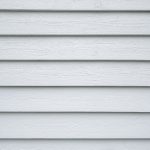







Siding installation is one of the most important exterior upgrades for homeowners in Chicagoland. It improves curb appeal, protects the structure from harsh weather, and plays a key role in energy efficiency. However, one of the most common questions homeowners have is about cost—what drives it, and what should you realistically expect?
The cost of siding installation is not fixed. It varies based on material choice, home size, labor requirements, and project complexity. Understanding these factors helps homeowners plan better and avoid unexpected expenses.
1. Average Cost of Siding Installation
In the Chicagoland area, siding installation costs typically vary depending on the type of material and the scope of work involved.
General cost considerations include:
- Vinyl siding as the most budget-friendly option
- Fiber cement siding as a mid-to-premium range option
- Wood or engineered siding as higher-end installations
The total project cost is usually calculated per square foot, including both materials and labor.
2. Factors That Affect Siding Cost
Several key factors influence the final price of a siding installation project.
These include:
- Total surface area of the home exterior
- Type and quality of siding material
- Condition of existing exterior walls
- Labor complexity and installation difficulty
Homes with irregular shapes or multiple stories generally require more labor and time.
3. Material Selection Impact
Material choice is one of the biggest cost drivers in siding installation.
Vinyl siding:
- Lowest upfront cost
- Quick installation
- Minimal maintenance expenses
Fiber cement siding:
- Higher material and labor cost
- Greater durability and lifespan
- Better long-term value
Wood siding:
- Premium appearance
- Higher maintenance costs over time
- More expensive installation process
4. Labor Costs in Chicagoland
Labor is a significant portion of siding installation expenses. Skilled professionals are required to ensure proper fitting, sealing, and weatherproofing.
Labor costs depend on:
- Project size and complexity
- Material type being installed
- Local contractor rates in the Chicago area
More complex installations require longer timelines and higher labor input.
5. Removal of Old Siding
If existing siding needs to be removed before installation, this adds to the total cost.
This process includes:
- Careful removal of old materials
- Disposal and cleanup fees
- Inspection of underlying wall structure
Damage found underneath old siding can increase repair costs.
6. Home Design and Structural Complexity
The design of a home directly impacts installation cost. Simple, single-story homes are easier and less expensive to work on compared to complex structures.
Cost-increasing design factors include:
- Multiple stories or levels
- Roof extensions and architectural details
- Hard-to-reach exterior areas
More complex designs require additional labor and safety equipment.
7. Insulation and Energy Efficiency Upgrades
Many siding projects in Chicagoland include insulation upgrades, which improve energy efficiency but also affect cost.
These upgrades include:
- Adding foam insulation boards
- Improving wall thermal barriers
- Sealing air leaks behind siding
While this increases upfront cost, it reduces long-term energy bills.
8. Seasonal Pricing Factors
Siding installation costs can fluctuate depending on the season. Demand for exterior construction work in Chicago increases during warmer months.
Seasonal considerations include:
- Higher demand in spring and summer
- Weather delays in winter months
- Contractor availability during peak seasons
Scheduling flexibility can sometimes reduce overall costs.
9. Permits and Local Regulations
Some siding projects may require permits depending on the extent of work being done.
Permit-related costs may include:
- Application fees
- Inspection charges
- Compliance documentation
Following local building regulations ensures the project is legally approved and safe.
10. Long-Term Value vs Initial Cost
While upfront cost is important, siding should also be evaluated based on long-term value. Cheaper materials may require more maintenance, while higher-quality options last longer.
Long-term considerations include:
- Maintenance and repair frequency
- Energy efficiency savings
- Durability against Chicago weather conditions
Investing in quality siding often reduces long-term expenses.
Final Thoughts
Siding installation in Chicagoland is influenced by multiple factors including material selection, labor, home design, and seasonal conditions. While costs can vary widely, understanding these components helps homeowners make informed decisions.
A well-planned siding project not only enhances the appearance of a home but also improves durability, energy efficiency, and overall property value for years to come.