

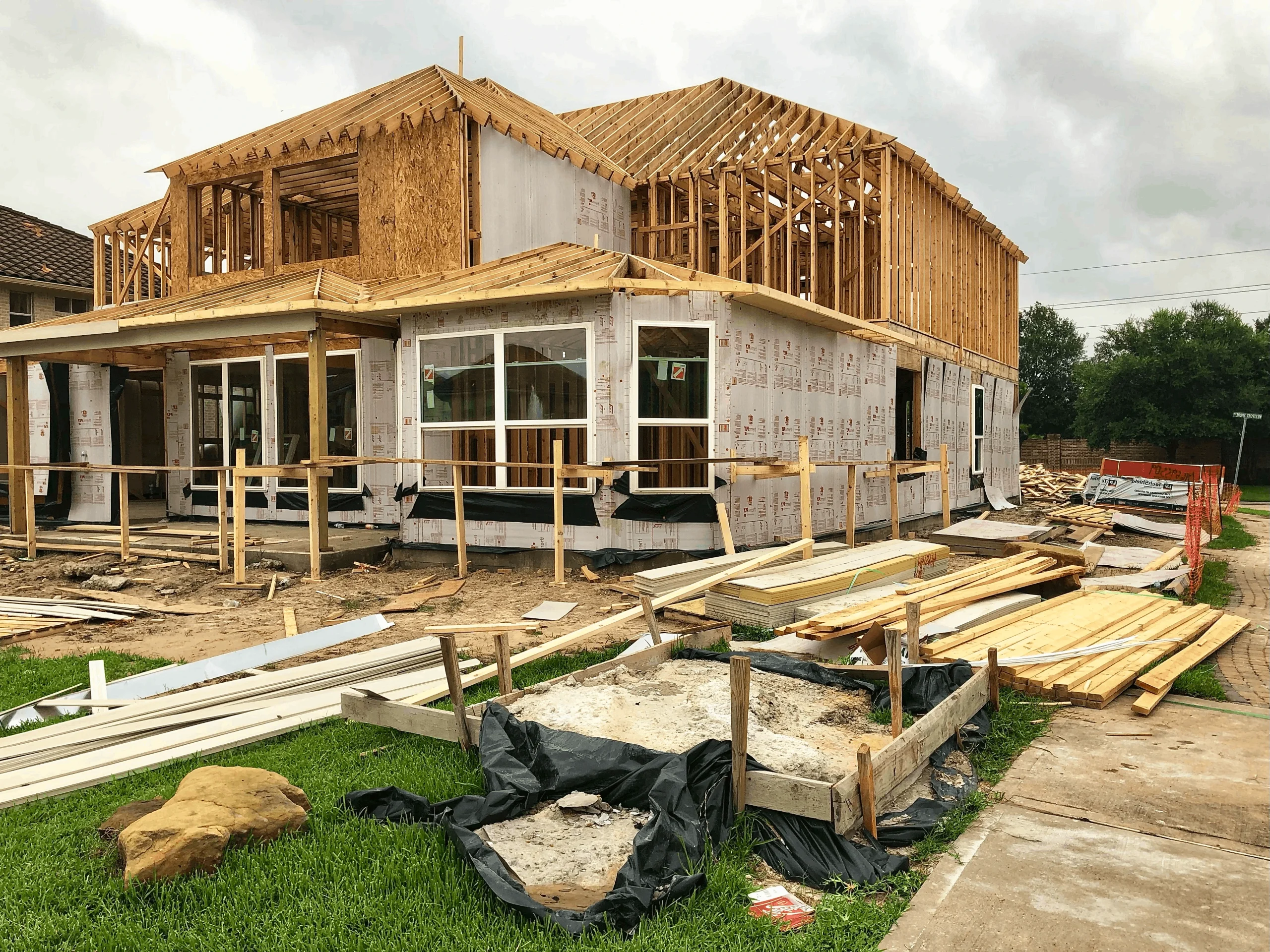







Construction projects, whether residential or commercial, involve multiple moving parts—design, materials, labor, permits, and timelines. Without proper coordination, even a small delay in one area can impact the entire project. This is where general contractors play a critical role.
In Chicagoland, where construction regulations, weather conditions, and project complexity vary widely, experienced general contractors ensure that projects stay on schedule, within budget, and aligned with client expectations.
1. Detailed Project Planning From Day One
The foundation of a successful construction project is a well-structured plan. General contractors begin by breaking down the entire project into manageable phases.
This includes:
- Defining project scope and objectives
- Creating timelines for each stage
- Estimating costs and resources
- Identifying potential risks
A detailed plan ensures that every aspect of the project is clearly outlined before construction begins.
2. Creating and Managing Construction Schedules
One of the most important responsibilities of a general contractor is maintaining a construction schedule. This schedule outlines when each phase of the project should begin and end.
It includes:
- Task sequencing
- Trade coordination timelines
- Material delivery schedules
- Inspection deadlines
By closely monitoring this schedule, contractors ensure that work progresses without unnecessary delays.
3. Coordinating Multiple Trades
Construction projects involve various specialized trades such as electricians, plumbers, carpenters, and HVAC technicians. Each trade must complete its work at the right time to avoid conflicts.
General contractors coordinate:
- Work schedules for each trade
- Task dependencies between teams
- Site access and workflow management
This coordination prevents overlaps and ensures smooth progress.
4. Managing Permits and Compliance
In Chicagoland, construction projects must comply with strict building codes and permit requirements. Delays in approvals can halt progress completely.
General contractors handle:
- Permit applications and documentation
- Compliance with local building codes
- Scheduling inspections at required stages
This ensures that the project remains legally compliant and avoids costly interruptions.
5. Budget Control and Cost Monitoring
Staying within budget is a major concern for any construction project. General contractors track expenses throughout the project to ensure costs remain controlled.
This involves:
- Monitoring material and labor costs
- Adjusting plans to avoid overspending
- Managing change orders efficiently
Regular cost tracking helps prevent unexpected financial issues.
6. Material Procurement and Logistics
Timely availability of materials is essential to keep construction moving forward. Delayed deliveries can disrupt the entire schedule.
Contractors manage:
- Ordering materials in advance
- Coordinating deliveries with construction phases
- Ensuring quality and correct quantities
Efficient logistics management minimizes downtime on site.
7. On-Site Supervision and Quality Control
General contractors oversee daily construction activities to ensure work is completed correctly and according to plan.
This includes:
- Supervising workers and subcontractors
- Ensuring safety standards are followed
- Maintaining quality control checks
Consistent supervision reduces errors and rework.
8. Communication With Clients and Stakeholders
Clear communication is essential to keep projects on track. General contractors act as the main point of contact between clients, designers, and construction teams.
They provide:
- Regular progress updates
- Issue resolution and decision-making support
- Transparency in timelines and costs
This keeps everyone aligned and informed throughout the project.
9. Managing Risks and Problem Solving
Unexpected challenges are common in construction, from weather delays to material shortages. General contractors are responsible for handling these issues efficiently.
They:
- Identify potential risks early
- Develop contingency plans
- Make quick decisions to minimize delays
Strong problem-solving skills are essential to maintaining progress.
10. Ensuring Timely Project Completion
At the final stage, general contractors focus on completing the project on time while meeting all quality and compliance standards.
This includes:
- Final inspections and approvals
- Addressing any remaining issues
- Preparing the site for handover
Timely completion ensures client satisfaction and project success.
Final Thoughts
General contractors play a central role in keeping construction projects on track. From planning and scheduling to coordination and quality control, they manage every aspect of the process.
In Chicagoland’s complex construction environment, having an experienced contractor ensures that projects are completed efficiently, within budget, and to the highest standards. Their ability to manage timelines, resources, and risks is what ultimately determines the success of any construction project.