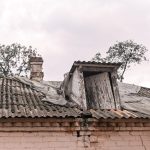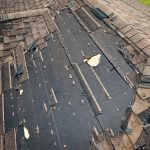







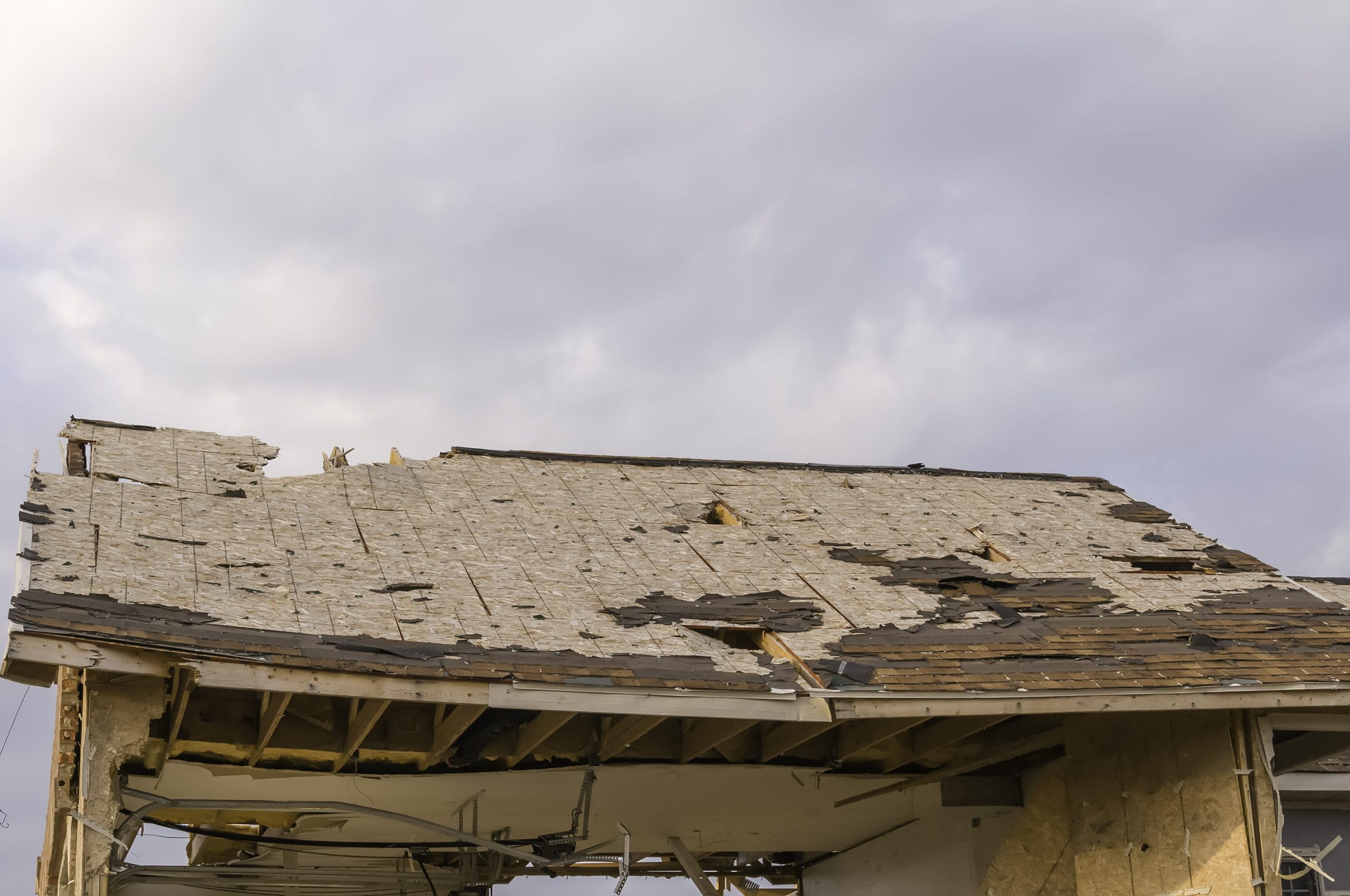
Severe storms are a common reality in Chicagoland, often bringing heavy rain, strong winds, hail, and even snow damage depending on the season. When a roof is damaged during a storm, quick action is critical to prevent further structural issues and interior water damage.
This guide explains what homeowners should do immediately after storm damage and how emergency roof repairs are handled professionally.
1. Ensure Safety First
After a storm, the first priority is safety. Avoid going onto the roof yourself, especially if there is visible damage or wet surfaces.
Safety steps include:
- Stay away from damaged roof areas
- Check for downed power lines near the property
- Avoid rooms with active leaks or ceiling damage
Roof structures may be unstable after severe weather.
2. Inspect for Visible Roof Damage
Once it is safe, perform a basic visual inspection from the ground or attic. This helps identify obvious issues before professional assessment.
Look for:
- Missing or broken shingles
- Visible holes or punctures
- Debris on the roof surface
- Water stains inside the home
Documenting damage is also helpful for insurance claims.
3. Temporary Protection Measures
If your roof is leaking or exposed, temporary protection can help minimize damage until repairs are completed.
Common emergency measures include:
- Using tarps to cover exposed areas
- Placing buckets to collect water leaks
- Sealing small openings temporarily
These are short-term solutions only and should be followed by professional repair.
4. Contact an Emergency Roofing Contractor
After securing the property, the next step is contacting a professional roofing contractor who offers emergency services.
A qualified contractor will:
- Inspect the roof damage thoroughly
- Provide immediate repair solutions
- Prevent further water intrusion
Fast response is critical to limiting additional damage.
5. Document the Damage for Insurance
Storm damage is often covered by homeowner insurance, but proper documentation is required for claims.
Important steps include:
- Taking photos of all visible damage
- Recording time and date of the storm
- Keeping repair estimates and invoices
Detailed records help speed up the claims process.
6. Emergency Roof Repair Process
Emergency roof repairs focus on stopping active damage and stabilizing the structure before full restoration.
The process typically includes:
- Rapid roof inspection
- Temporary patching of leaks
- Securing loose materials
- Water damage prevention measures
These repairs are designed to protect the home immediately.
7. Full Roof Assessment After Stabilization
Once emergency repairs are completed, a full inspection is conducted to evaluate long-term damage.
This includes checking:
- Structural integrity of roof decking
- Underlayment condition
- Shingle or material replacement needs
This step determines whether repair or full replacement is needed.
8. Common Types of Storm Damage in Chicago
Chicago weather can cause multiple types of roofing damage depending on the season.
Typical issues include:
- Wind uplift removing shingles
- Hail dents and surface damage
- Ice dam formation in winter
- Water leaks from heavy rain
Each type of damage requires a different repair approach.
9. Preventing Future Storm Damage
While storms cannot be prevented, homeowners can reduce future risks with proper maintenance and upgrades.
Preventive measures include:
- Regular roof inspections
- Upgrading to impact-resistant shingles
- Improving attic ventilation
- Maintaining gutters and drainage systems
Preventive care significantly reduces long-term repair costs.
10. Working With Insurance Companies
Dealing with insurance claims after storm damage can be complex. Contractors often assist homeowners throughout the process.
Support includes:
- Providing inspection reports
- Helping with claim documentation
- Coordinating adjuster visits
This ensures homeowners receive fair coverage for necessary repairs.
Final Thoughts
Storm damage to a roof requires immediate attention to prevent further structural and interior issues. Acting quickly, documenting damage, and contacting experienced roofing professionals are essential steps in protecting your home.
In a weather-prone region like Chicagoland, having a reliable emergency roofing plan ensures peace of mind and long-term property protection.