





Smart home integration is quickly becoming a standard feature in new construction projects rather than a luxury upgrade. In modern residential and commercial builds, especially in growing urban and suburban areas like Chicago, technology is now being embedded directly into the structure from the planning stage.
This shift is driven by convenience, energy efficiency, security, and long-term cost savings. Instead of adding devices later, smart systems are now being designed into homes during construction for seamless performance.
1. What Smart Home Integration Means
Smart home integration refers to connecting various home systems into a centralized, automated network. This allows homeowners to control lighting, climate, security, and appliances through apps or voice commands.
Key components include:
- Smart lighting systems
- Automated HVAC controls
- Security and surveillance systems
- Smart appliances and energy monitoring
The goal is to create a connected, efficient living environment.
2. Why Smart Integration Is Important in New Construction
Integrating smart systems during construction is far more efficient than retrofitting them later. It allows proper wiring, planning, and system compatibility from the beginning.
Benefits include:
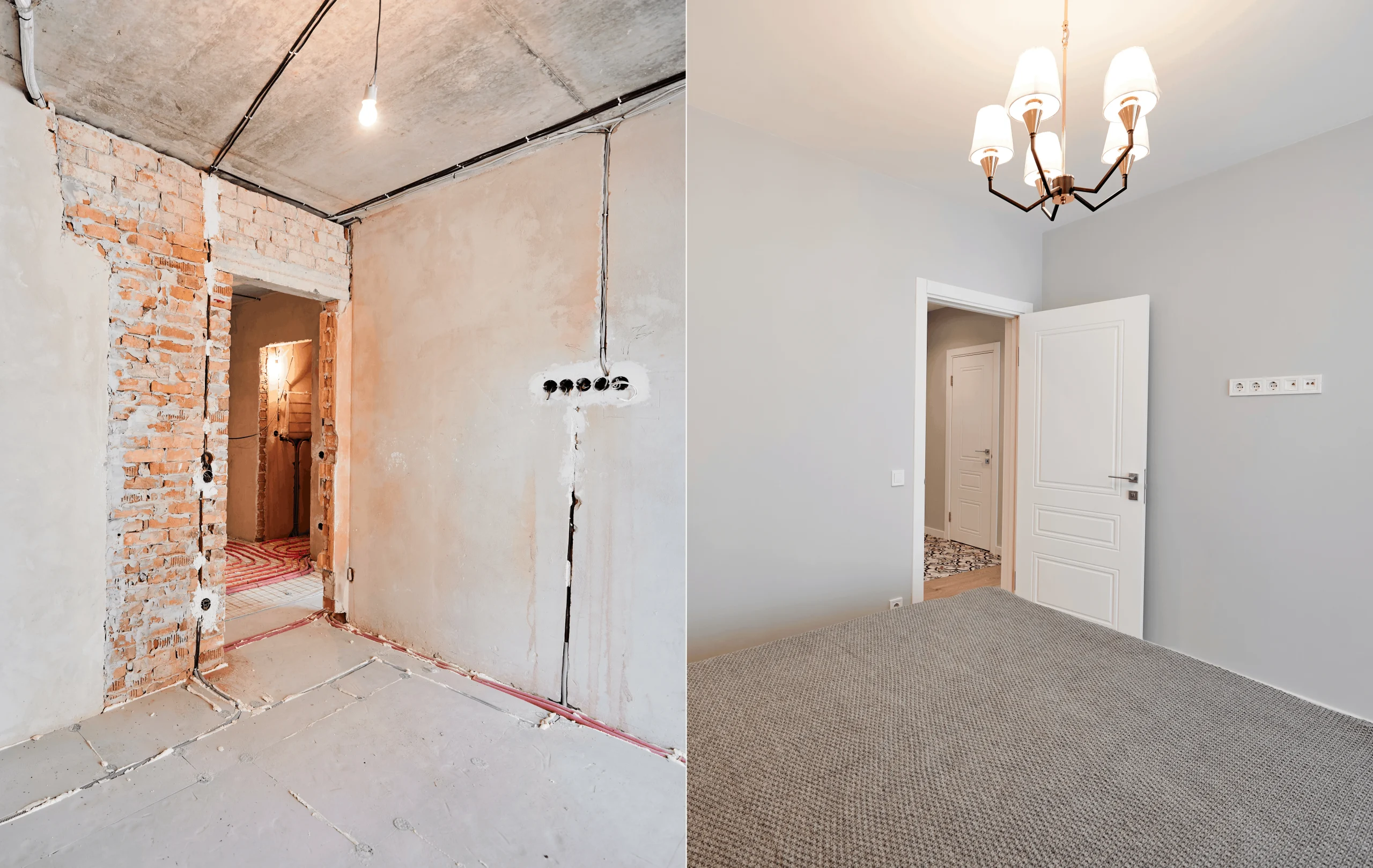
- Cleaner installation with hidden wiring
- Better system performance and reliability
- Lower installation costs compared to retrofits
- Seamless integration with building design
This approach ensures long-term functionality and scalability.
3. Smart Lighting Systems
Lighting is one of the most commonly automated features in modern homes. Smart lighting improves energy efficiency and user convenience.
Features include:
- Motion-activated lighting
- Remote control via mobile apps
- Scheduling and automation settings
- Energy usage optimization
This reduces unnecessary electricity consumption.
4. Smart HVAC and Climate Control
Heating and cooling systems can be fully optimized through smart integration, especially in climates with extreme seasonal changes.
Benefits include:
- Automated temperature adjustments
- Remote climate control
- Energy usage tracking
- Zoned heating and cooling systems
This improves comfort while reducing energy bills.
5. Smart Security Systems
Security is a major reason homeowners invest in smart technology during construction.
Common features include:
- Smart cameras with real-time monitoring
- Motion sensors and alerts
- Smart locks and access control
- Integrated alarm systems
These systems provide better safety and peace of mind.
6. Smart Energy Management
Energy monitoring systems help homeowners track and reduce consumption.
Key features include:
- Real-time energy usage dashboards
- Appliance-level tracking
- Automated energy-saving recommendations
This helps reduce unnecessary energy waste.
7. Smart Kitchen and Appliance Integration
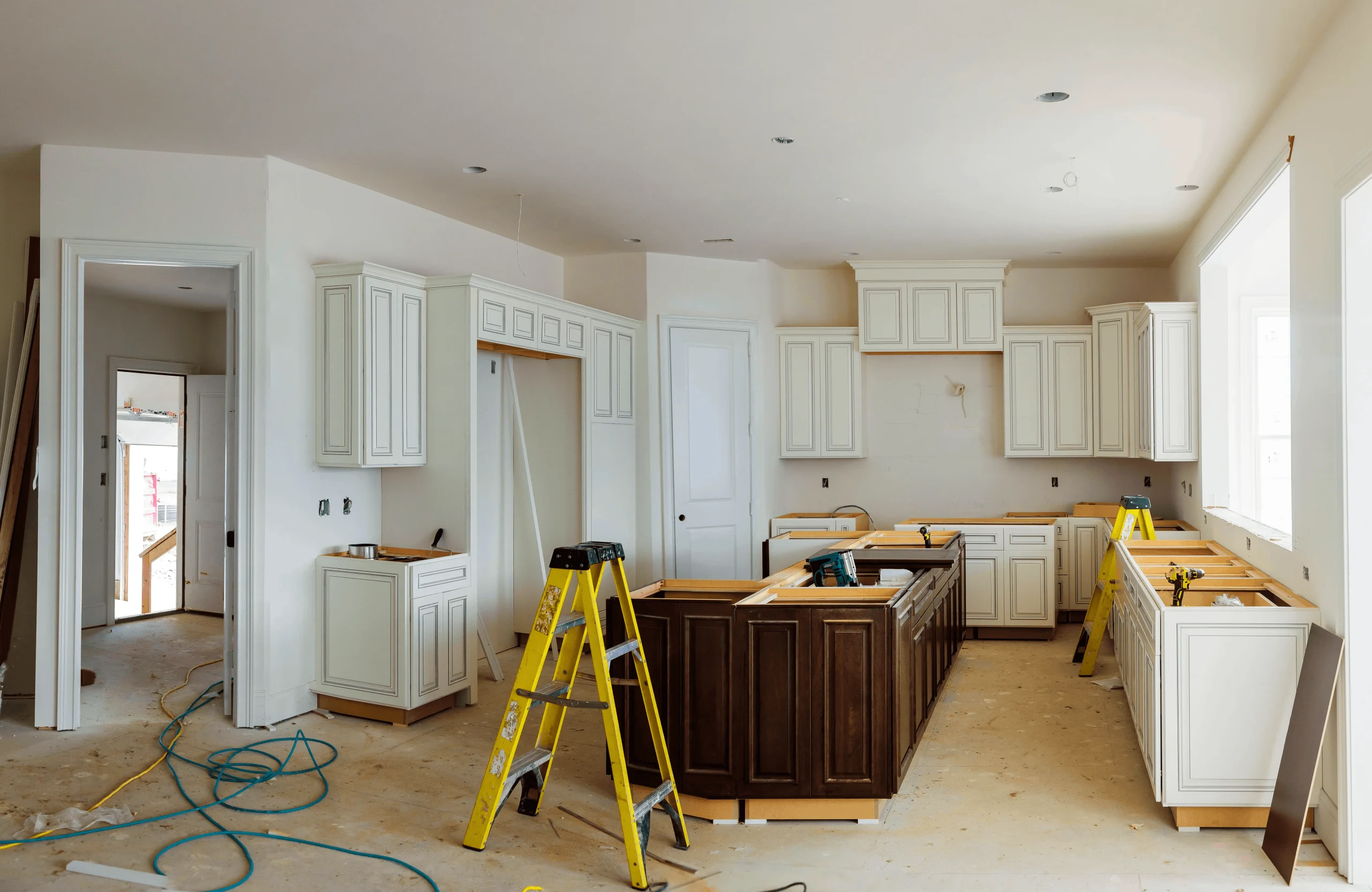
Modern kitchens are becoming fully connected with smart appliances that improve efficiency and convenience.
Examples include:
- Smart refrigerators with inventory tracking
- Automated ovens and cooking systems
- Voice-controlled kitchen devices
These features enhance daily living convenience.
8. Importance of Wiring and Infrastructure Planning
Proper planning during construction is essential for smart home success. Without proper infrastructure, systems may not perform efficiently.
Key considerations include:
- Structured wiring systems
- Strong Wi-Fi and network coverage planning
- Central control hub installation
This ensures smooth operation of all connected devices.
9. Integration with Mobile and Voice Assistants
Most smart homes are controlled through mobile apps or voice assistants.
Popular integrations include:
- Smartphone-based control systems
- Voice assistants for hands-free operation
- Remote access from anywhere
This adds flexibility and convenience for homeowners.
10. Long-Term Benefits of Smart Integration
Smart home systems provide long-term value beyond convenience.
Benefits include:
- Lower energy and utility costs
- Increased property value
- Improved security and safety
- Better lifestyle efficiency
These systems continue to evolve and improve over time.
Final Thoughts
Smart home integration is becoming a core part of modern construction projects. When planned during the building phase, it creates a seamless, efficient, and future-ready living environment.
In regions like Chicago, where energy efficiency and convenience are key priorities, smart home systems offer long-term benefits in comfort, security, and cost savings.