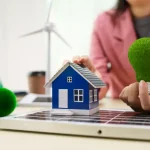
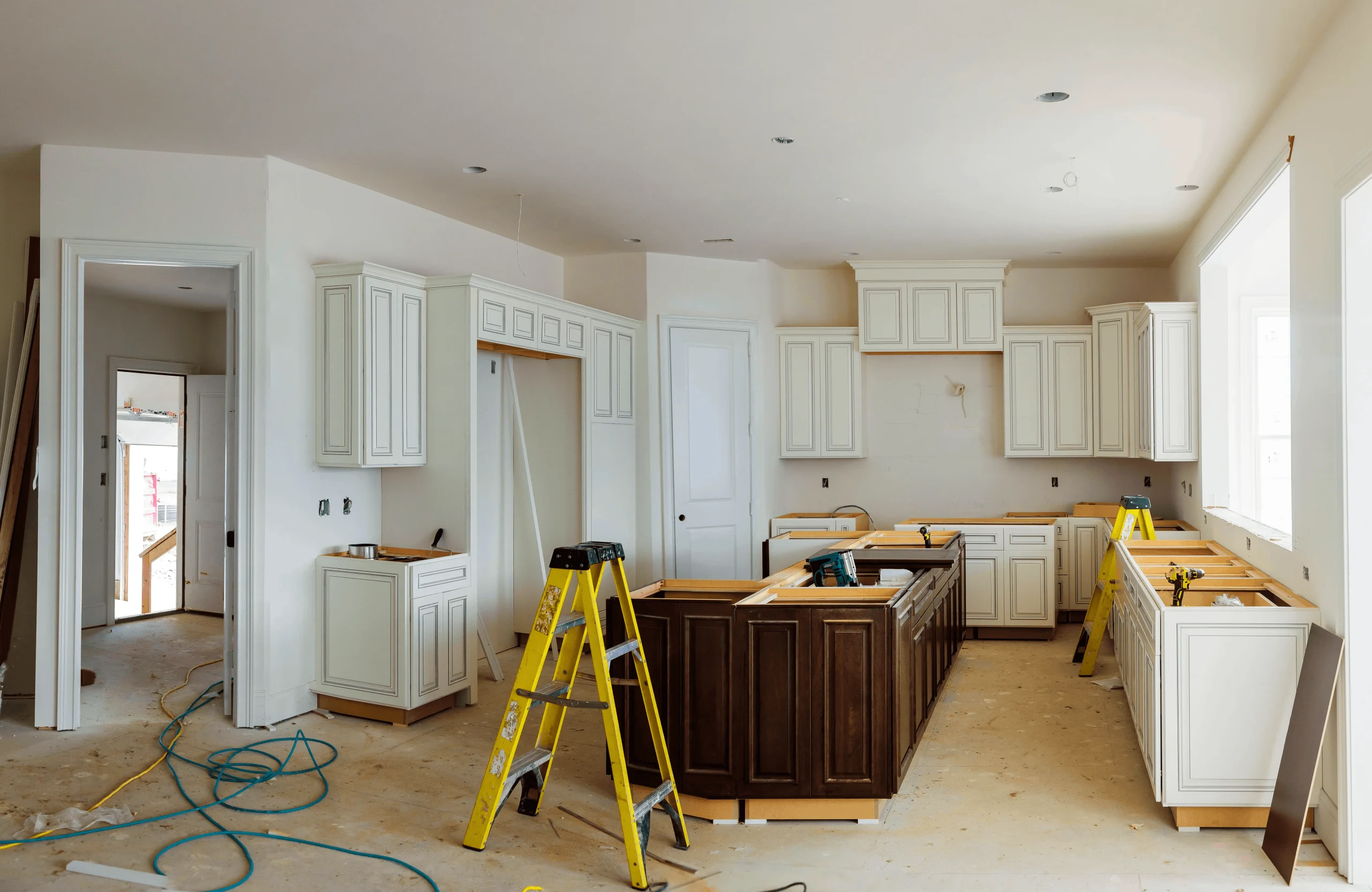


Sustainable construction has become one of the most important directions in modern building practices. In regions like Chicagoland, where extreme weather conditions, rising energy costs, and environmental awareness intersect, the demand for eco-friendly construction solutions is growing rapidly.
Instead of focusing only on speed and cost, sustainable construction emphasizes long-term efficiency, reduced environmental impact, and healthier living spaces. This approach benefits homeowners, businesses, and the environment at the same time.
1. What Sustainable Construction Really Means
Sustainable construction refers to building methods that minimize environmental impact while maximizing efficiency and durability. It is not just about using green materials—it involves the entire lifecycle of a building.
This includes:
- Energy-efficient design and planning
- Environmentally responsible material selection
- Reduced waste during construction
- Long-term operational efficiency
The goal is to create structures that are durable, cost-effective, and environmentally responsible.
2. Growing Importance of Sustainability in Chicago
In Chicago and surrounding suburbs, sustainability is becoming a priority due to rising energy costs and stricter building standards.
Key reasons include:
- Harsh winters requiring efficient heating systems
- High energy consumption in residential and commercial buildings
- Increased awareness of environmental impact
- Government incentives for green building practices
This shift is influencing both new construction and renovation projects.
3. Eco-Friendly Building Materials
Material selection plays a major role in sustainable construction. Modern projects prioritize materials that are durable, recyclable, and energy-efficient.
Common eco-friendly materials include:
- Recycled steel and metal components
- Bamboo and sustainably sourced wood
- Low-VOC paints and finishes
- Recycled concrete and composite materials
These materials help reduce environmental impact while maintaining structural strength.
4. Energy-Efficient Building Design
Energy efficiency is a core component of sustainable construction. Proper design reduces energy consumption and improves comfort.
Key design strategies include:
- Optimized building orientation for natural light
- High-performance insulation systems
- Energy-efficient windows and doors
- Strategic ventilation and airflow planning
These features reduce reliance on heating and cooling systems.
5. Importance of Insulation in Sustainability
In climates like Illinois, insulation is one of the most critical elements of sustainable construction. It directly affects energy efficiency and indoor comfort.
Effective insulation helps:
- Maintain stable indoor temperatures
- Reduce heating and cooling costs
- Minimize energy waste
Proper insulation is essential for long-term sustainability.
6. Water Efficiency and Management
Sustainable construction also focuses on efficient water usage and management systems. This is especially important in residential and commercial properties.
Common water-saving strategies include:
- Low-flow plumbing fixtures
- Rainwater harvesting systems
- Efficient irrigation systems
- Leak detection and prevention systems
These systems help reduce water consumption and utility costs.
7. Waste Reduction in Construction
Construction projects often generate large amounts of waste, but sustainable practices aim to minimize this impact.
Waste reduction methods include:
- Recycling construction materials
- Careful project planning to reduce excess
- Prefabrication to minimize on-site waste
- Reusing salvageable materials
This not only benefits the environment but also reduces project costs.
8. Smart Building Technologies
Technology plays a major role in modern sustainable construction. Smart systems improve energy management and overall efficiency.
Popular technologies include:
- Smart thermostats for energy control
- Automated lighting systems
- Energy monitoring tools
- Smart HVAC systems
These systems help reduce unnecessary energy usage.
9. Renewable Energy Integration
Many sustainable construction projects now include renewable energy solutions to reduce dependence on traditional power sources.
Common options include:
- Solar panel installations
- Wind energy systems (where applicable)
- Geothermal heating and cooling
These systems significantly lower long-term energy costs.
10. Indoor Environmental Quality
Sustainability also focuses on creating healthier indoor environments. This improves comfort and overall well-being for occupants.
Key factors include:
- Proper ventilation systems
- Use of non-toxic building materials
- Natural lighting optimization
- Humidity and air quality control
A healthier indoor environment improves quality of life.
11. Long-Term Cost Benefits
While sustainable construction may have higher upfront costs, it provides significant long-term savings.
Benefits include:
- Reduced energy bills
- Lower maintenance costs
- Increased property value
- Longer building lifespan
Over time, these savings often outweigh initial investments.
12. Future of Sustainable Construction
The future of construction is moving toward full sustainability integration. New technologies and materials continue to improve efficiency and reduce environmental impact.
Future trends include:
- Net-zero energy buildings
- Carbon-neutral construction practices
- Advanced recyclable building systems
- AI-driven energy optimization
This evolution is shaping the next generation of buildings.
Final Thoughts
Sustainable construction is no longer a niche concept—it is becoming the standard for modern building practices. In regions like Chicagoland, where climate and energy demands are high, adopting sustainable methods is both practical and necessary.
By focusing on efficient design, responsible materials, and smart technology, sustainable construction creates buildings that are not only environmentally friendly but also more cost-effective and durable in the long run.