
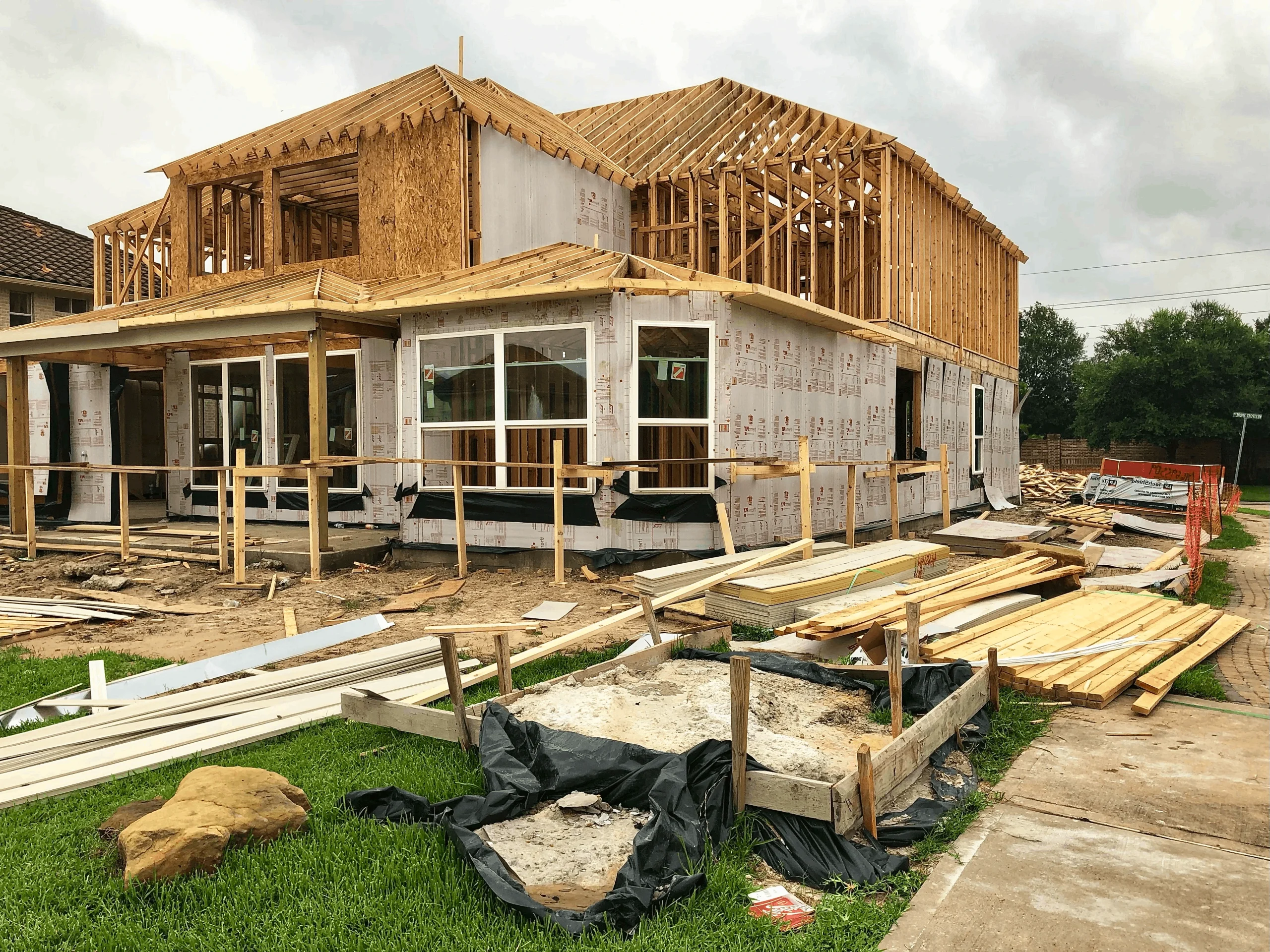




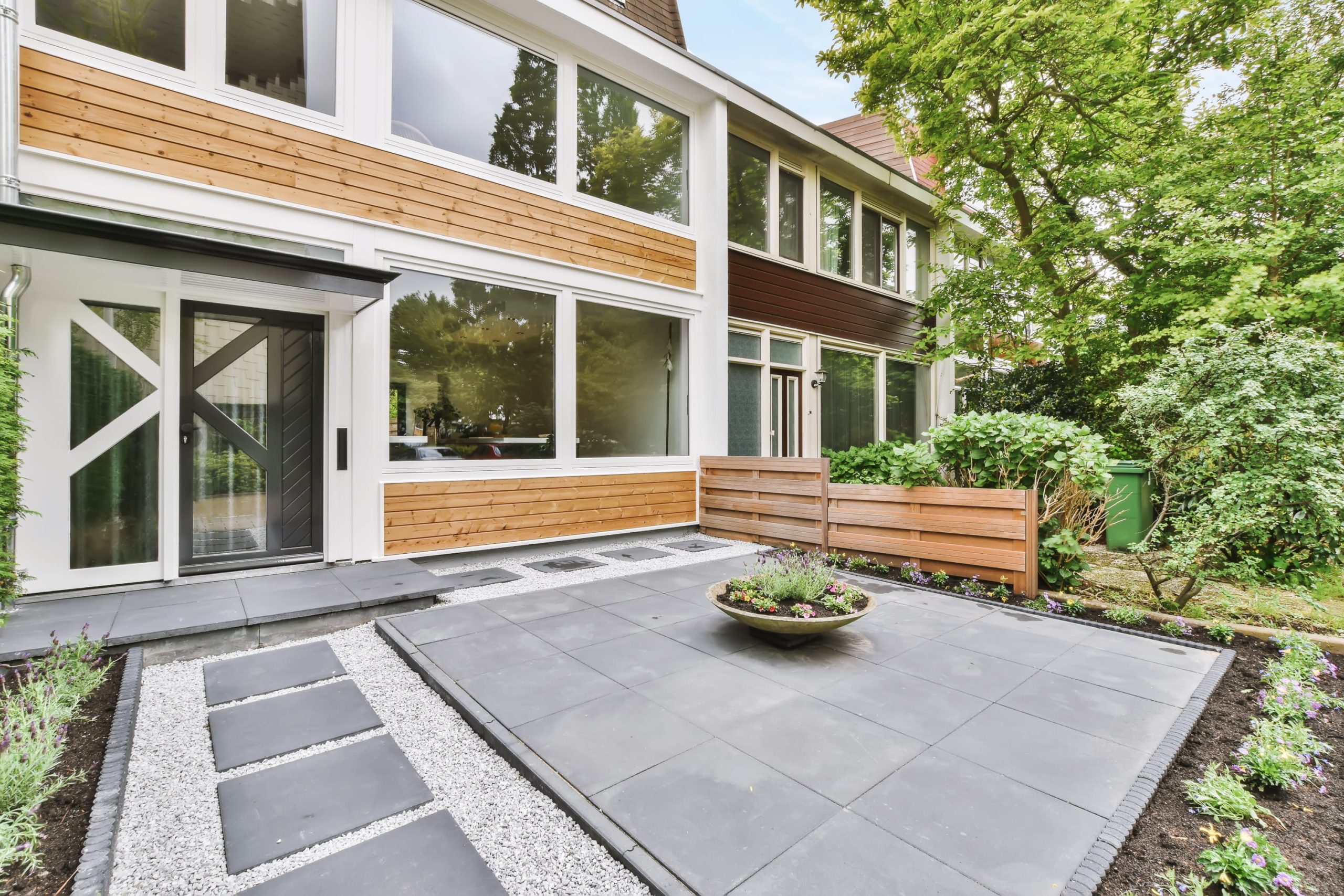
Modern exterior design in Chicago homes is shifting fast toward cleaner architecture, smarter materials, and more intentional visual balance. Homeowners are no longer just focusing on aesthetics—they are combining durability, energy efficiency, and long-term value into one unified design approach.
In a city like Chicago and surrounding suburbs, where weather conditions range from harsh winters to humid summers, exterior design is not just about style. It is about performance, protection, and adaptability over time.
1. Shift Toward Clean and Minimal Exterior Designs
One of the most noticeable trends in modern Chicago homes is the move toward simplified, clean exterior designs. Traditional decorative elements are being replaced with smooth surfaces, sharp lines, and balanced proportions.
This includes:
- Flat or low-profile rooflines
- Minimal trim and detailing
- Smooth, uninterrupted siding surfaces
- Geometric architectural shapes
The goal is to create a modern, uncluttered appearance that feels timeless rather than overly decorative.
2. Rise of Mixed Material Exteriors
Modern homes in Chicago are increasingly using multiple materials on a single façade. Instead of relying on just one exterior finish, designers are combining different textures for depth and contrast.
Common combinations include:
- Fiber cement siding with natural stone accents
- Wood textures paired with metal framing
- Brick combined with modern siding panels
- Black metal trims with light-colored siding
This layered approach adds visual interest and creates a more custom, high-end appearance.
3. Popularity of Dark and Bold Exterior Colors
Color trends in Chicago exterior design are becoming more dramatic and confident. Instead of light neutrals dominating every home, darker tones are being used more intentionally.
Trending shades include:
- Charcoal gray and matte black
- Deep forest green
- Dark navy and slate blue
- Warm earthy browns and taupe shades
These colors are often paired with lighter trims or natural wood accents to balance contrast and prevent the exterior from feeling too heavy.
Dark siding is especially popular in modern suburban developments, where homeowners want strong curb appeal with a contemporary edge.
4. Natural Wood Accents for Warmth
Even in modern designs, natural textures are playing an important role. Wood accents are being used to soften bold architectural lines and add warmth to exterior façades.
Wood is commonly used in:
- Entryway frames and doors
- Porch ceilings and soffits
- Accent walls or panels
- Garage doors and columns
Engineered wood and treated materials are preferred due to Chicago’s extreme weather conditions, offering the appearance of natural wood with improved durability.
5. Energy Efficiency Integrated Into Design
Modern exterior design is not only about appearance—it is closely tied to energy performance. Homeowners are prioritizing materials and systems that reduce energy loss and improve insulation.
Key energy-efficient upgrades include:
- Insulated siding systems
- High-performance windows with low-E glass
- Air-sealed exterior construction layers
- Reflective roofing materials
These features help maintain indoor comfort while reducing heating and cooling costs throughout the year.
6. Large Windows and Natural Light Focus
Another strong trend in modern Chicago homes is the use of larger windows and glass elements. This design choice helps bring natural light into the home while creating a stronger connection between indoor and outdoor spaces.
Common features include:
- Floor-to-ceiling windows
- Black aluminum window frames
- Wide sliding glass doors
- Corner window installations
While energy efficiency remains important, modern glass technology allows homeowners to enjoy natural light without sacrificing insulation performance.
7. Simplified Front Elevations
Front-facing designs in modern homes are becoming more streamlined. Instead of complex layouts, homeowners are opting for balanced, symmetrical or intentionally asymmetrical designs that feel clean and intentional.
This includes:
- Minimal porch structures
- Simple entry pathways
- Reduced decorative clutter
- Integrated garage designs that blend into the façade
The focus is on making the entryway visually strong without overwhelming detail.
8. Black Trim and Contrast Detailing
Black trim has become a defining feature in modern Chicago exterior design. It is used to create sharp contrast and highlight architectural lines.
It is commonly applied to:
- Window frames and outlines
- Roof edges and fascia
- Door frames and entry accents
- Metal railings and fixtures
This contrast-based design approach adds depth and sophistication to even simple exterior layouts.
9. Outdoor Living Integration
Modern exterior design is extending beyond the home itself into outdoor living spaces. Homeowners want functional, usable exterior areas that blend with the overall architectural style.
Popular additions include:
- Covered patios and pergolas
- Outdoor seating and entertainment areas
- Built-in lighting systems
- Minimalist landscaping with clean lines
This creates a seamless transition between indoor comfort and outdoor living.
10. Smart Exterior Features
Technology is increasingly integrated into modern exterior design. Smart systems are improving both convenience and security while maintaining a clean aesthetic.
Examples include:
- Smart outdoor lighting systems
- Security cameras with discreet design
- Automated garage doors
- Energy monitoring systems
These features are designed to blend into the architecture without disrupting the visual flow of the home.
11. Sustainable Material Choices
Sustainability is now a key factor in exterior construction decisions. Homeowners are choosing materials that reduce environmental impact while maintaining durability.
Common sustainable choices include:
- Recycled siding materials
- Low-maintenance composite cladding
- Locally sourced stone and wood
- Long-lifespan roofing systems
This shift reflects growing awareness of long-term environmental responsibility.
Final Thoughts
Modern exterior design in Chicago homes is evolving toward simplicity, durability, and smart functionality. Clean lines, mixed materials, dark accents, and energy-efficient systems are shaping how new homes are built and renovated.
In a climate like Chicago’s, the best exterior designs are those that combine style with performance. The focus is no longer just on appearance—it is about creating homes that are efficient, resilient, and visually timeless.