







Gutters are one of those home systems that often go unnoticed until something goes wrong. In a climate like Illinois, where heavy rain, snow, and seasonal storms are common, damaged or failing gutters can quickly lead to serious exterior and structural problems.
Knowing the warning signs early helps homeowners avoid costly repairs to roofing, siding, and foundations.
1. Water Overflow During Rain
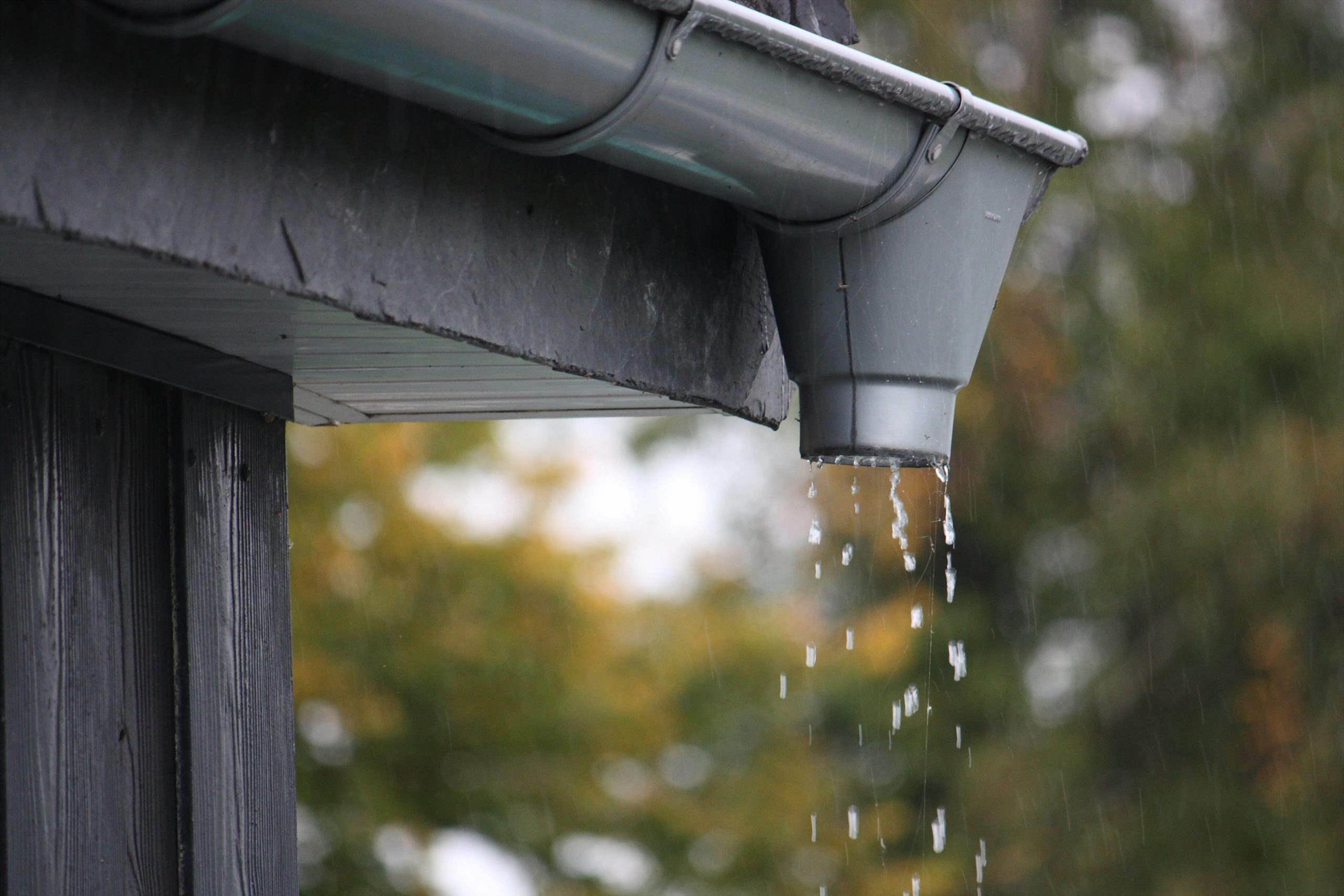
One of the clearest signs that gutters need replacement is water spilling over the edges during rainfall. This usually indicates blockages, improper slope, or system failure.
Common causes include:
- Clogged downspouts
- Improper gutter alignment
- Undersized or outdated gutter systems
If overflow happens regularly, repair alone may not be enough.
2. Visible Cracks or Splits in Gutters
Cracks in gutters may start small but expand over time due to weather exposure and temperature changes.
Signs to look for:
- Hairline cracks along gutter seams
- Visible splits or holes
- Water dripping from non-joint areas
Once cracking becomes widespread, replacement is often the most effective solution.
3. Sagging or Pulling Away from the House
Gutters should sit tightly against the fascia board. If they begin to sag or separate, it indicates structural failure.
This can be caused by:
- Heavy debris buildup
- Loose fasteners or brackets
- Water weight from poor drainage
Severely sagging gutters lose their ability to direct water properly.
4. Peeling Paint or Rust Spots
Exterior deterioration on gutters is a sign of long-term moisture exposure and aging materials.
Warning signs include:
- Rust patches on metal gutters
- Peeling paint or surface corrosion
- Discoloration around gutter lines
These issues often indicate that the material is breaking down.
5. Water Damage Around Foundation
If gutters are not functioning properly, water may collect around the base of your home, leading to serious foundation issues.
Signs include:
- Cracks in basement walls
- Soil erosion near the foundation
- Damp or flooded basement areas
This is a strong indicator that gutters are no longer performing effectively.
6. Mold or Mildew Growth
Improper drainage can lead to moisture buildup around the home’s exterior, encouraging mold and mildew growth.
Common areas affected:
- Exterior walls near gutters
- Basement and crawl spaces
- Roof edges and fascia boards
This is both a structural and health concern.
7. Frequent Gutter Repairs
If gutters require constant patching or repairs, it may be more cost-effective to replace them entirely.
Signs include:
- Repeated sealing of leaks
- Ongoing bracket or joint repairs
- Temporary fixes that don’t last
Frequent issues indicate system failure rather than isolated damage.
8. Separation at Joints and Seams
Older sectional gutter systems often fail at connection points, leading to leaks and inefficiency.
Look for:
- Visible gaps at seams
- Water dripping between sections
- Loose connectors or joints
Seamless gutter systems are often a better long-term solution.
9. Insect or Pest Infestation
Standing water and debris in damaged gutters can attract pests such as mosquitoes, birds, and rodents.
Warning signs include:
- Insects breeding in stagnant water
- Nests inside gutters
- Unusual pest activity near roof edges
This indicates poor drainage and maintenance issues.
10. Age of the Gutter System
Like any exterior system, gutters have a limited lifespan. Older systems become less efficient and more prone to failure.
Typical lifespan:
- Aluminum gutters: 20–30 years
- Steel gutters: 15–25 years
- Copper gutters: 50+ years
If your system is nearing the end of its lifespan, replacement is often the best option.
Final Thoughts
Gutters play a critical role in protecting your home from water damage. When they begin to fail, the effects can spread quickly to the roof, siding, and foundation.
Recognizing the early warning signs helps homeowners in Illinois take timely action, avoid expensive repairs, and maintain the long-term health of their property.