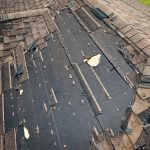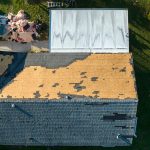






Storms in Chicagoland can be unpredictable and intense, often leaving homeowners with unexpected roof damage. High winds, hail, heavy rain, and snow can weaken roofing systems in a matter of minutes.
Knowing what to do immediately after storm damage is critical to protecting your home and preventing further costly issues.
1. Stay Safe and Avoid Roof Access
Your first priority after a storm should always be safety. Avoid climbing onto the roof yourself, especially if conditions are wet, icy, or unstable.
Important precautions include:
- Stay away from visibly damaged areas
- Avoid contact with downed power lines
- Do not attempt temporary repairs on steep roofs
Roof damage can be more serious than it appears from the ground.
2. Inspect Your Property From the Ground
Once it is safe, perform a visual inspection of your home from the ground level. This helps identify obvious signs of damage.
Look for:
- Missing or broken shingles
- Debris on the roof or yard
- Damaged gutters or downspouts
- Visible leaks inside the home
Documenting these issues is important for insurance claims.
3. Check the Attic for Hidden Damage
Not all roof damage is visible from the outside. The attic can reveal early signs of leaks or structural issues.
Check for:
- Water stains on rafters or insulation
- Damp or musty smells
- Visible sunlight through roof gaps
Hidden leaks can worsen quickly if not addressed.
4. Document All Damage Immediately
Proper documentation is essential for insurance claims and repair planning.
Make sure to:
- Take clear photos of all visible damage
- Record the date and time of the storm
- Note any interior damage caused by leaks
The more detailed your documentation, the smoother the claims process will be.
5. Apply Temporary Protection if Needed
If your roof has active leaks or exposed areas, temporary protection can help minimize further damage.
Common emergency measures include:
- Placing tarps over damaged sections
- Using buckets to catch interior leaks
- Sealing small openings temporarily
These are short-term solutions until professional repairs are completed.
6. Contact a Professional Roofing Contractor
After documenting damage, the next step is contacting a licensed roofing contractor who handles storm repairs.
A professional will:
- Perform a full roof inspection
- Identify both visible and hidden damage
- Recommend repair or replacement solutions
Fast response helps prevent further deterioration.
7. Schedule a Detailed Roof Inspection
Even if damage seems minor, a full inspection is necessary. Some issues are not immediately visible but can cause long-term problems.
Inspection includes checking:
- Roof shingles and underlayment
- Flashing and sealants
- Structural components and decking
This ensures nothing is overlooked.
8. Understand Insurance Claim Process
Storm damage is often covered by homeowners insurance, but the claim process requires proper steps.
Typical process includes:
- Filing a claim with your insurance provider
- Scheduling an adjuster inspection
- Submitting contractor estimates and reports
Working with an experienced contractor can simplify this process.
9. Avoid Delaying Repairs
Delaying roof repairs after a storm can lead to more severe damage over time.
Risks include:
- Increased water damage inside the home
- Mold and mildew growth
- Structural weakening of the roof
Quick action helps reduce overall repair costs.
10. Consider Long-Term Roofing Upgrades
After storm damage, it may be a good time to consider upgrading your roofing system for better protection.
Options include:
- Impact-resistant shingles
- Improved underlayment systems
- Enhanced ventilation solutions
These upgrades can improve durability against future storms.
Final Thoughts
Storm damage to your roof requires immediate attention and proper handling. From safety precautions to documentation and professional inspections, every step plays a crucial role in protecting your home.
In a weather-prone region like Chicagoland, being prepared and acting quickly after a storm can save homeowners significant time, stress, and repair costs.