




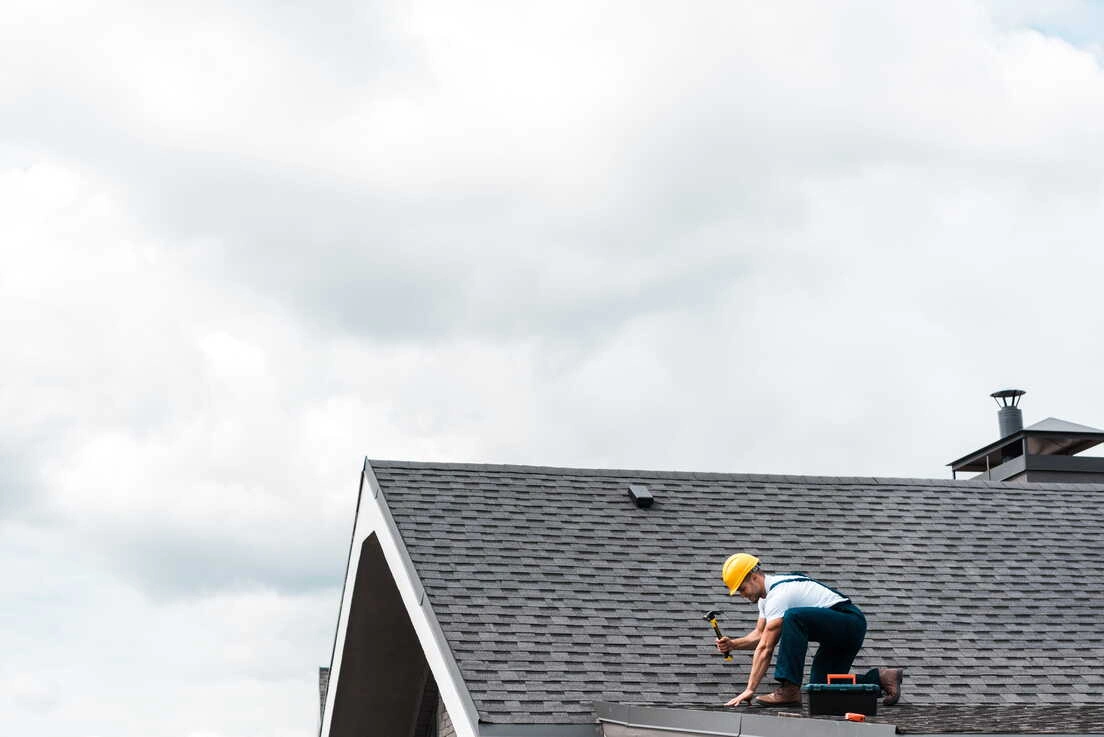
Roof replacement is a major investment for homeowners in Chicagoland, and the cost can vary widely depending on multiple factors. From material selection to roof size and labor complexity, every detail influences the final price.
Understanding these cost drivers helps homeowners plan better, avoid surprises, and make informed decisions about their roofing project.
1. Average Roof Replacement Cost
The cost of replacing a roof in the Chicago area typically depends on the size of the home and the type of roofing material used.
On average, homeowners can expect:
- Basic asphalt shingle roof: lower cost range
- Architectural shingles: mid-range cost
- Metal or premium materials: higher investment range
However, these ranges can change based on project complexity and market conditions.
2. Roof Size and Surface Area
One of the biggest factors affecting cost is the total roof size. Larger roofs require more materials and labor, which increases overall expenses.
Contractors calculate cost based on:
- Total square footage
- Roof slope and pitch
- Number of layers being removed
Steeper or more complex roofs generally cost more to replace.
3. Roofing Material Selection
The type of roofing material plays a major role in determining cost. Each material has a different price point and lifespan.
Common options include:
- Asphalt shingles (most affordable)
- Architectural shingles (mid-range durability)
- Metal roofing (long-term investment)
- Slate or tile (premium options)
Higher-quality materials usually cost more upfront but last longer.
4. Labor Costs in Chicagoland
Labor is a significant part of roof replacement costs. Skilled roofing professionals are required to ensure proper installation and safety compliance.
Labor costs depend on:
- Roof complexity and accessibility
- Project duration
- Seasonal demand in Chicago
Experienced contractors may charge more but deliver better quality and reliability.
5. Roof Removal and Disposal
Before installing a new roof, the old roofing materials must be removed and disposed of properly. This process adds to the total cost.
It includes:
- Tear-off labor
- Waste disposal fees
- Dumpster rental costs
Multiple layers of old roofing can increase removal costs.
6. Roof Complexity and Design
Complex roof designs require more time, materials, and skill to complete. This directly impacts the overall cost.
Cost-increasing factors include:
- Multiple roof angles and slopes
- Dormers and skylights
- Chimneys and roof penetrations
Simpler roof designs are generally more cost-effective.
7. Underlayment and Waterproofing
High-quality underlayment and waterproofing systems are essential for protecting the roof from moisture and ice damage, especially in Illinois winters.
These costs include:
- Ice and water shield installation
- Protective underlayment layers
- Sealing materials for vulnerable areas
Better protection often means higher upfront cost but fewer repairs later.
8. Permits and Local Regulations
Roof replacement projects in Chicago may require permits depending on the scope of work. These permits add to the total cost but ensure compliance with local building codes.
Permit-related costs include:
- Application fees
- Inspection charges
- Compliance documentation
Skipping permits can lead to fines or project delays.
9. Seasonal Pricing Variations
Roof replacement costs can also fluctuate depending on the season. Demand for roofing services in Chicago often increases during peak seasons.
Cost factors include:
- Higher demand in spring and summer
- Weather-related delays in winter
- Contractor availability
Scheduling strategically can sometimes reduce costs.
10. Warranty and Long-Term Value
Higher-quality roofing systems often come with better warranties, which can influence overall cost but provide long-term value.
Warranty coverage may include:
- Material defects
- Workmanship guarantees
- Extended manufacturer protection
A strong warranty adds security to your investment.
Final Thoughts
Roof replacement costs in Chicagoland depend on many interconnected factors, including materials, labor, roof complexity, and local regulations. While it may seem like a significant investment, a properly installed roof provides long-term protection, energy efficiency, and increased property value.
By understanding the cost breakdown, homeowners can plan effectively and choose solutions that balance budget and durability for years to come.