







A roof replacement is one of the most important investments a homeowner can make. In Chicago and surrounding suburbs, where weather conditions can be harsh and unpredictable, proper roof installation is essential for long-term protection and energy efficiency.
Understanding the step-by-step roofing installation process helps homeowners know what to expect and ensures the work is being done correctly.
1. Initial Roof Inspection
Every roofing project begins with a detailed inspection. Contractors assess the current condition of the roof to determine whether repair or full replacement is needed.
During inspection, professionals check:
- Shingle condition and wear
- Leaks or water damage
- Structural integrity of decking
- Gutter and drainage system condition
This step helps create an accurate project plan.
2. Project Planning and Material Selection
Once inspection is complete, the contractor prepares a plan for installation. This includes selecting roofing materials and estimating project timelines.
Homeowners typically choose from:
- Asphalt shingles
- Architectural shingles
- Metal roofing systems
The choice depends on budget, durability needs, and design preferences.
3. Removing the Old Roof
Before installing a new roof, the existing roofing material must be removed. This process is known as a tear-off.
It involves:
- Removing old shingles or roofing layers
- Disposing of debris safely
- Inspecting the underlying structure
This step ensures a clean surface for the new installation.
4. Inspecting and Repairing the Roof Deck
After removal, the roof decking is carefully inspected for damage. Any weak or rotted sections are repaired or replaced.
Contractors look for:
- Water damage or rot
- Structural weaknesses
- Uneven surfaces
A solid foundation is essential for a long-lasting roof.
5. Installing Underlayment and Waterproofing
The underlayment is a protective layer installed between the roof deck and shingles. It acts as a moisture barrier and adds extra protection.
This step includes:
- Installing ice and water shields
- Applying synthetic or felt underlayment
- Sealing vulnerable roof areas
This layer is especially important in Chicago’s snowy climate.
6. Installing Drip Edges and Flashing
Drip edges and flashing help direct water away from the roof and protect against leaks.
They are installed at:
- Roof edges
- Valleys
- Chimneys and vents
Proper installation prevents water infiltration in critical areas.
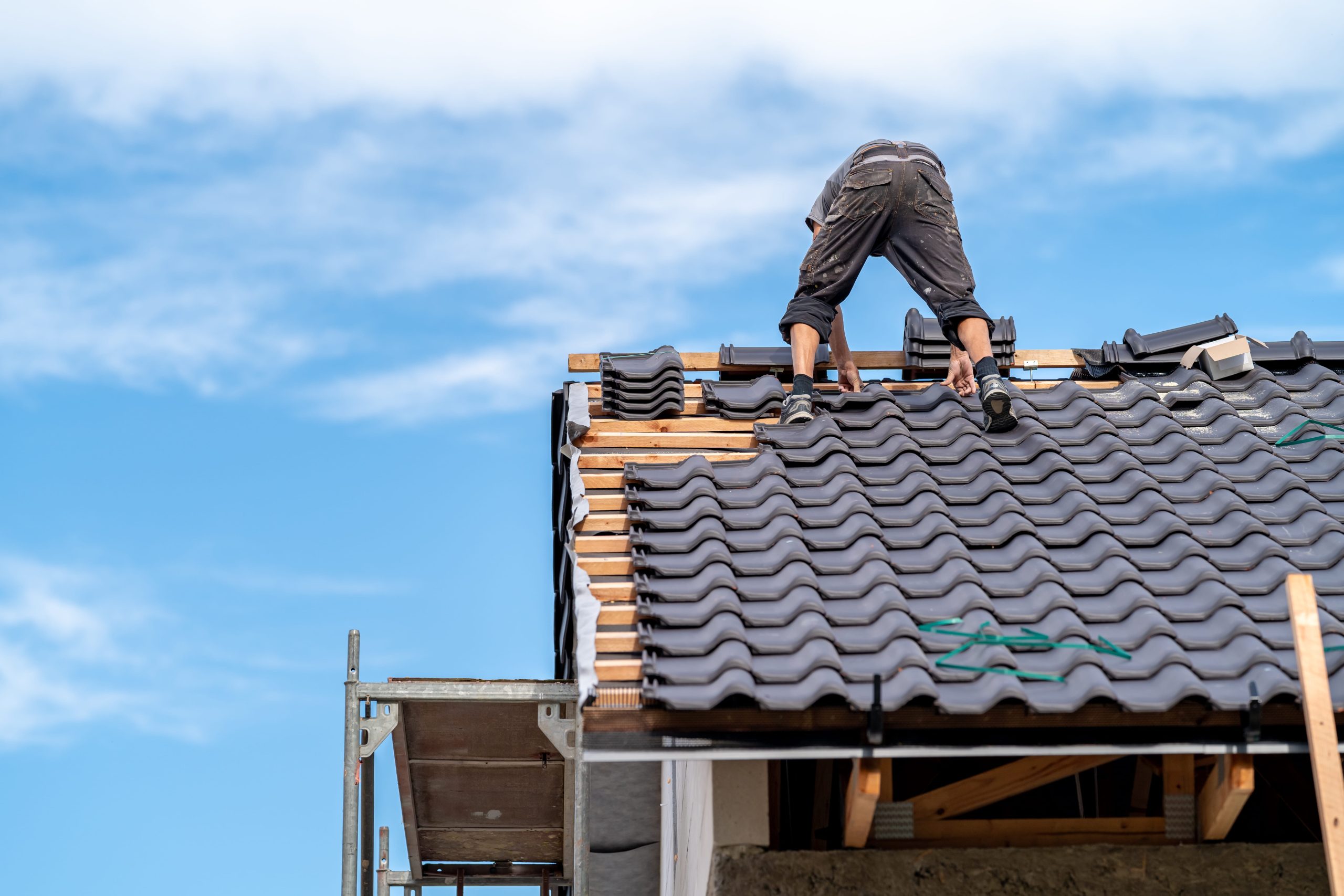
7. Shingle or Roofing Material Installation
This is the main stage of the roofing process. New shingles or roofing materials are carefully installed in overlapping layers.
Installation involves:
- Starting from the bottom edge
- Aligning rows for proper overlap
- Nailing materials securely in place
This ensures durability and weather resistance.
8. Installing Ridge Caps and Ventilation
Ridge caps are installed at the peak of the roof to seal the top and improve airflow.
Proper ventilation is also added to:
- Reduce heat buildup
- Prevent moisture accumulation
- Extend roof lifespan
Good ventilation is essential for energy efficiency and durability.
9. Final Inspection and Quality Check
After installation is complete, a thorough inspection is conducted to ensure everything meets quality standards.
Contractors check:
- Shingle alignment and fastening
- Flashing and sealing quality
- Overall structural integrity
This step ensures the roof is fully secure and properly installed.
10. Cleanup and Project Completion
The final step involves cleaning the site and removing all construction debris. A clean job site is a sign of professional workmanship.
Cleanup includes:
- Removing old roofing materials
- Magnetic nail sweep for safety
- Final walkthrough with the homeowner
Once completed, the new roof is ready to provide long-term protection.
Final Thoughts
A new roof installation is a detailed process that requires precision, planning, and expertise. Each step plays a critical role in ensuring the roof performs well under Chicago’s challenging weather conditions.
By understanding how the process works, homeowners can make informed decisions and feel confident in the quality of their roofing investment.