








In construction projects across Chicagoland, permits are often treated as a formality—but in reality, they are one of the most critical factors affecting timelines. Even well-planned projects can face significant delays due to avoidable permit mistakes.
Understanding these common errors helps homeowners, developers, and contractors keep projects moving smoothly and avoid unnecessary setbacks.
1. Starting Work Before Permit Approval
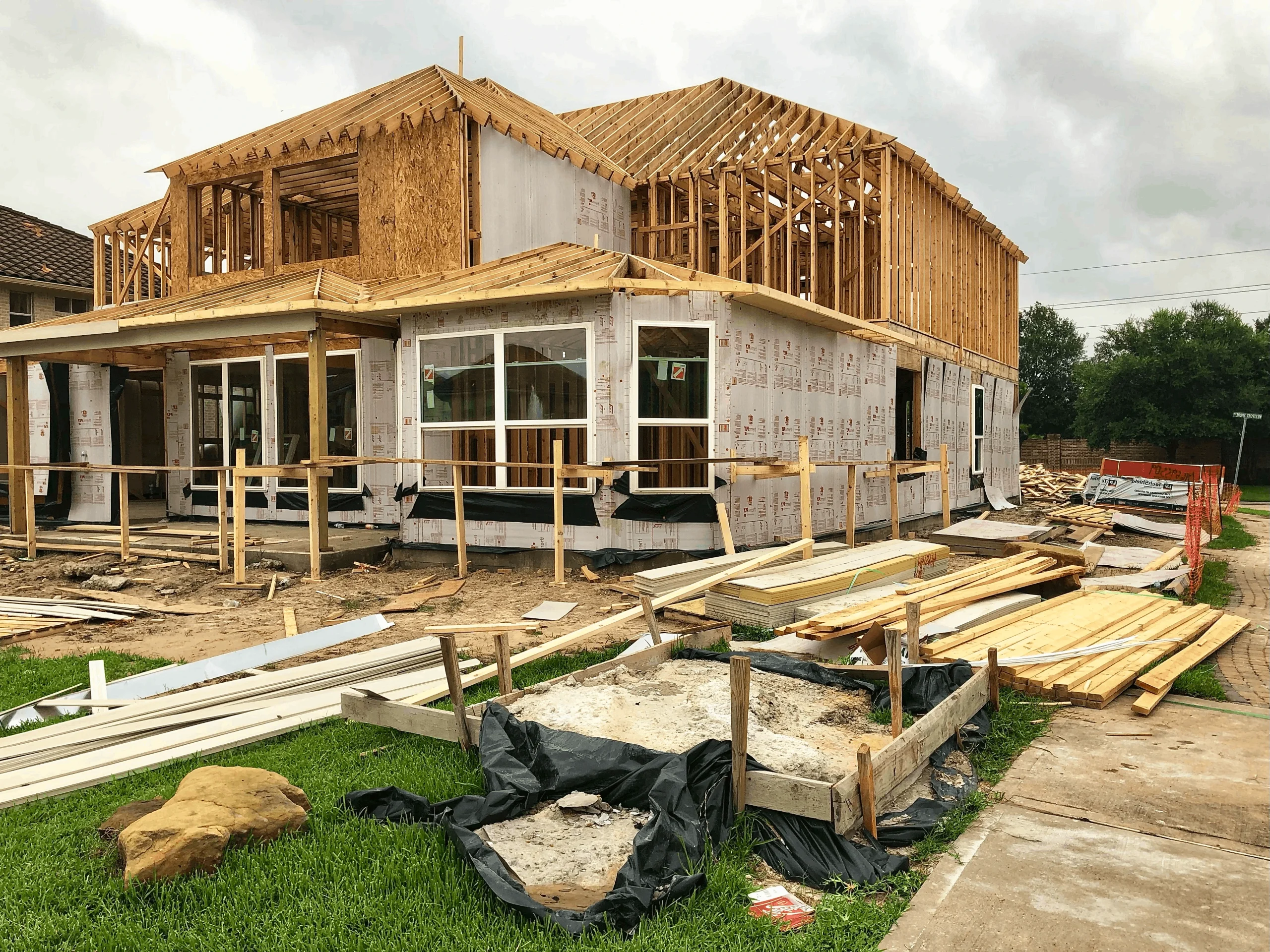
One of the most frequent and costly mistakes is beginning construction before receiving official permit approval. Some property owners try to save time by starting early, but this often leads to serious consequences.
Issues caused by early starts include:
- Stop-work orders from the city
- Fines and penalties
- Requirement to undo completed work
Even small violations can delay the entire project timeline significantly.
2. Submitting Incomplete Documentation
Permit applications require detailed drawings, specifications, and technical information. Missing or incomplete documents are one of the main reasons for approval delays.
Common missing items include:
- Incomplete architectural plans
- Missing engineering calculations
- Unclear material specifications
- Incorrect site layouts
Careful preparation before submission helps avoid unnecessary back-and-forth with the city.
3. Ignoring Local Building Codes
Each city and municipality in the Chicago area has specific building codes and regulations. Ignoring or misunderstanding these requirements can lead to permit rejection.
Common code-related issues include:
- Non-compliant structural designs
- Improper electrical or plumbing layouts
- Violation of zoning restrictions
Working with experienced professionals helps ensure compliance from the start.
4. Incorrect Permit Type Selection
Choosing the wrong type of permit is another common mistake. Different aspects of construction require specific permits, and using the wrong one can cause delays or rejection.
Examples include:
- Using a building permit instead of a mechanical permit
- Missing separate electrical or plumbing permits
- Applying under incorrect project classification
Each permit type serves a specific regulatory purpose.
5. Underestimating Permit Review Time
Many projects are delayed because applicants assume permits will be approved quickly. However, review times can vary significantly depending on project complexity and city workload.
Typical delays occur due to:
- High volume of applications
- Complex architectural designs
- Additional review requests from officials
Planning realistic timelines is essential for avoiding scheduling conflicts.
6. Making Design Changes After Submission
Changing project designs after submitting permit applications often leads to delays. Even minor modifications can require resubmission and re-review.
Common changes that cause delays include:
- Layout modifications
- Structural adjustments
- Material substitutions
Finalizing designs before submission is key to keeping the process smooth.
7. Not Scheduling Required Inspections
Permits are not just approvals—they require inspections at different stages of construction. Missing or delaying inspections can halt progress.
Required inspections often include:
- Foundation inspections
- Framing inspections
- Electrical and plumbing inspections
- Final occupancy inspections
Failure to schedule these on time can delay project completion.
8. Poor Communication With Authorities
Lack of communication with permitting offices can lead to misunderstandings and delays. Many issues arise simply because applicants do not respond quickly to feedback or requests.
Good communication practices include:
- Responding promptly to correction requests
- Clarifying requirements when needed
- Maintaining updated contact information
Clear communication helps speed up approval processes.
9. DIY Permit Handling Without Experience
Some property owners attempt to handle permits themselves without understanding the technical requirements. This often leads to errors and rejections.
Risks include:
- Incorrect documentation
- Misinterpretation of code requirements
- Repeated application submissions
Professional assistance can significantly reduce these risks.
10. Overlooking Zoning Restrictions
Zoning laws determine how properties can be used and developed. Ignoring these restrictions can stop a project entirely, even if other permits are approved.
Common zoning issues include:
- Building height limitations
- Setback requirements
- Land use restrictions
Understanding zoning rules early prevents major project disruptions.
Final Thoughts
Permit mistakes are one of the leading causes of construction delays in Chicago and surrounding areas. Most of these issues are avoidable with proper planning, documentation, and professional guidance.
By understanding common errors and working with experienced contractors, project owners can streamline the permitting process and keep construction timelines on track. Proper permit management is not just paperwork—it is a critical step in ensuring smooth and successful project delivery.