





Construction permits are a critical part of any building project in Chicago. Whether you are working on a residential renovation or a large commercial build, permits ensure that all work complies with local building codes, safety regulations, and zoning laws.
Understanding how construction permits work can help you avoid costly delays, legal issues, and project interruptions.
What Is a Construction Permit?
A construction permit is an official approval issued by the city that allows you to begin building or renovation work. It confirms that your project plans meet Chicago’s building codes and safety requirements.
Permits are required for most construction activities, especially those involving structural, electrical, plumbing, or mechanical changes.
1. Types of Construction Permits in Chicago
Different types of permits are required depending on the scope of the project. Some of the most common include:
- Building permits for structural work
- Electrical permits for wiring and systems
- Plumbing permits for water and drainage systems
- Mechanical permits for HVAC installations
Each permit ensures that specific aspects of the project meet required standards.
2. When Do You Need a Permit?
Permits are required for most major construction and renovation activities. These include:
- New construction projects
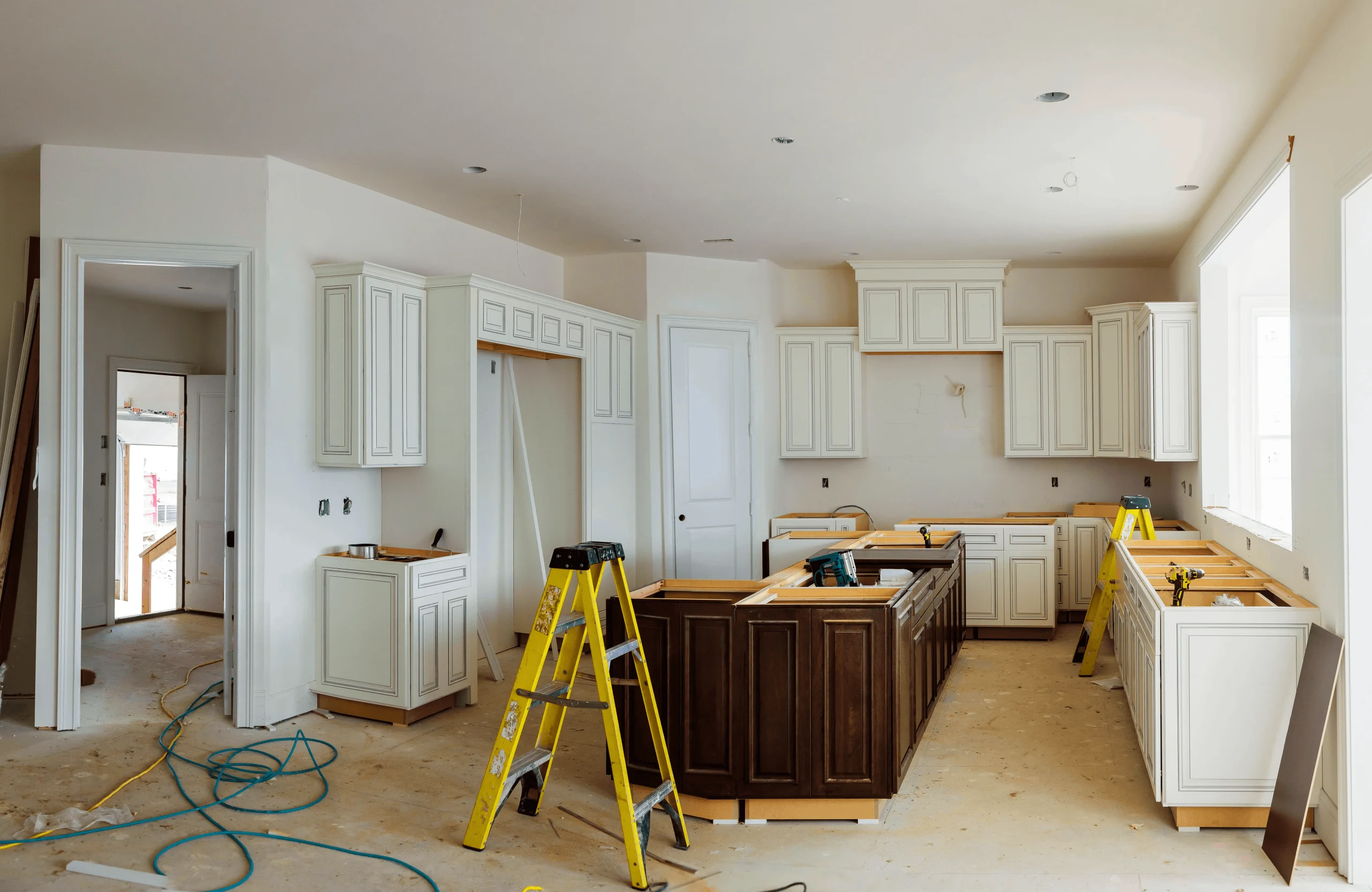
- Structural changes such as adding or removing walls
- Electrical system upgrades
- Plumbing installations or modifications
- Roof replacements in some cases
Minor cosmetic changes like painting or flooring typically do not require permits.
3. The Permit Application Process
Obtaining a construction permit in Chicago involves several steps. The process can vary depending on the complexity of the project.
Typical steps include:
- Preparing detailed construction plans
- Submitting plans to the building department
- Review and approval by city officials
- Receiving the permit before starting work
Incomplete or incorrect submissions can lead to delays in approval.
4. Plan Review and Approval
Once submitted, your project plans are reviewed by city officials to ensure compliance with building codes and safety standards.
This review checks:
- Structural integrity
- Electrical and plumbing systems
- Fire safety requirements
- Zoning regulations
Approval times vary depending on project complexity and city workload.
5. Inspections During Construction
Permits are not a one-time process. Inspections are required at different stages of construction to ensure work is being done correctly.
Common inspection stages include:
- Foundation or structural inspections
- Electrical and plumbing inspections
- Final inspection after project completion
Passing these inspections is necessary to move forward with the project.
6. Consequences of Not Getting Permits
Skipping permits might seem like a way to save time or money, but it can lead to serious problems.
Potential consequences include:
- Fines and penalties
- Project shutdowns
- Difficulty selling the property
- Insurance issues in case of damage
Unpermitted work can also require costly corrections later.
7. Timeline for Permit Approval
The time required to obtain a permit depends on the size and complexity of the project.
Typical timelines include:
- Small projects: 1 to 3 weeks
- Medium projects: 3 to 6 weeks
- Large or complex builds: several months
Working with experienced contractors can help speed up the process.
8. Role of General Contractors in Permits
Most homeowners and business owners rely on general contractors to handle the permit process. Contractors are familiar with local regulations and procedures.
They typically:
- Prepare and submit documentation
- Coordinate with city officials
- Schedule inspections
- Ensure compliance throughout the project
This reduces stress and minimizes errors.
9. Common Permit Mistakes to Avoid
Many delays occur due to simple mistakes in the permit process. Some of the most common include:
- Submitting incomplete plans
- Starting work before approval
- Ignoring required inspections
- Not following approved designs
Avoiding these mistakes helps keep projects on schedule.
10. Final Approval and Project Completion
Once construction is complete, a final inspection is conducted. If everything meets code requirements, the project is approved and officially completed.
This final step ensures:
- Safety compliance
- Legal completion of the project
- Eligibility for resale or occupancy
Final Thoughts
Construction permits in Chicago are an essential part of any building project. While the process may seem complex, it plays a vital role in ensuring safety, quality, and legal compliance.
By understanding permit requirements and working with experienced professionals, you can navigate the process smoothly and keep your project moving forward without unnecessary delays.