



Building a custom home in Illinois is an exciting journey, but it’s also one where small mistakes can quickly turn into expensive problems. From planning errors to contractor mismanagement, many homeowners face issues that could have been avoided with the right guidance.
If you’re planning to build your dream home in Chicagoland or anywhere in Illinois, understanding these common mistakes will help you stay on track, control your budget, and achieve a smoother construction experience.
1. Starting Without a Clear Plan
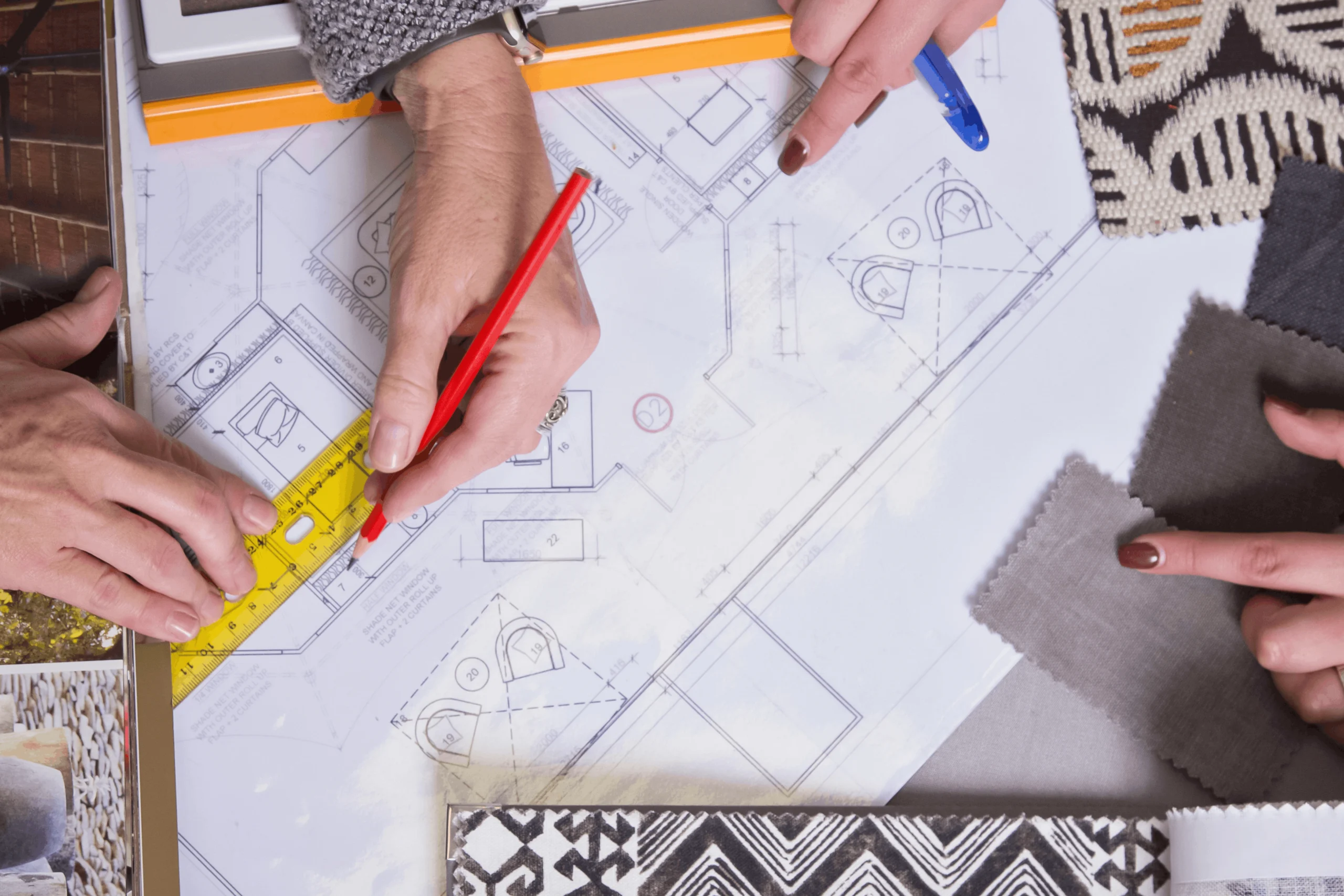
One of the biggest mistakes homeowners make is jumping into construction without a well-defined plan. A custom home requires detailed architectural drawings, budget planning, and a clear understanding of your needs.
Without proper planning, changes during construction become inevitable, and those changes often lead to delays and increased costs. A clear plan should include:
- Floor layout and room requirements
- Material preferences
- Estimated budget range
- Long-term lifestyle considerations
2. Underestimating the Total Budget
Many homeowners focus only on construction costs and ignore additional expenses. In Illinois, total project costs often include permits, site preparation, utility connections, landscaping, and interior finishes.
Failing to account for these can lead to financial stress midway through the project. A safe approach is to always add a 10–15% contingency buffer to your budget for unexpected costs.
3. Choosing the Wrong Builder
Your builder plays a critical role in the success of your project. Hiring based only on the lowest price is one of the most costly mistakes you can make.
An inexperienced or unreliable contractor can cause delays, poor workmanship, and compliance issues. Always check:
- Previous project portfolio
- Client reviews and references
- Licensing and insurance
- Local experience in Illinois construction codes
4. Ignoring Local Building Codes and Permits
Illinois has strict building regulations, and every custom home requires proper permits before construction begins. Skipping or delaying permits can result in legal issues, fines, or project shutdowns.
Working with a knowledgeable contractor ensures that all approvals are handled correctly from the beginning.
5. Changing Design During Construction
Mid-project design changes are one of the fastest ways to increase costs and delay completion. While minor adjustments may be necessary, major changes should always be finalized before construction starts.
Every change affects materials, labor scheduling, and sometimes even permits, which can significantly impact your budget and timeline.
6. Choosing Style Over Functionality
It’s easy to get carried away with modern designs and luxury features, but functionality should always come first. A beautiful home that doesn’t suit your daily needs can quickly become frustrating to live in.
Consider practical aspects such as:
- Storage space
- Room flow and layout
- Energy efficiency
- Future family needs
7. Poor Site Selection
The location of your home is just as important as the design itself. Some homeowners rush into buying land without evaluating soil conditions, zoning rules, or utility access.
A poor site choice can lead to additional construction costs, drainage issues, or design limitations.
8. Not Planning for Energy Efficiency
Energy efficiency is often overlooked during the planning stage, but it has a long-term impact on utility costs and comfort.
In Illinois, where winters can be harsh, proper insulation, energy-efficient windows, and HVAC systems are essential. Adding these features during construction is far more cost-effective than retrofitting later.
9. Poor Communication With Contractors
Miscommunication between homeowners and contractors often leads to misunderstandings, delays, and errors. Clear communication from day one is essential.
Regular updates, documented approvals, and structured meetings help keep the project aligned with expectations.
10. Not Thinking Long-Term
A common mistake is designing a home only for current needs without considering the future. Your lifestyle may change, and your home should be able to adapt.
Think about:
- Family growth
- Work-from-home needs
- Accessibility in later years
- Resale value
Final Thoughts
Building a dream home in Illinois is a major investment, and avoiding these common mistakes can save you significant time, money, and stress. Success comes down to proper planning, choosing the right builder, and making informed decisions at every stage.
When you approach the process with clarity and discipline, you don’t just build a house—you create a home that delivers long-term comfort, value, and satisfaction.