






Building a custom home in the Chicago suburbs is a major financial decision, and one of the first questions homeowners ask is simple: how much will it actually cost? The truth is, there is no fixed number. Costs vary widely depending on location, design complexity, materials, labor rates, and the level of customization you choose.
Understanding the real cost breakdown helps you avoid surprises, plan your budget effectively, and make smarter decisions from the beginning of your project.
Average Cost of Building a Custom Home in Chicagoland
In the Chicago suburbs, custom home construction typically ranges from moderate builds to high-end luxury homes. On average, most homeowners can expect costs to fall between:
- $200 to $400 per square foot for standard custom homes
- $400 to $700+ per square foot for high-end luxury builds
For example, a 2,500 sq. ft. custom home may cost anywhere between $500,000 and $1.7 million depending on specifications. However, this range can increase significantly with premium finishes, complex architecture, or high-demand suburban locations.
Main Factors That Affect Custom Home Costs
Several key elements directly influence the final price of your custom home. Understanding these factors helps you control your budget more effectively.
1. Land Purchase Cost
The cost of land in Chicago suburbs varies greatly depending on location. Areas closer to the city or top school districts are significantly more expensive. In some suburbs, land alone can represent 20% to 40% of your total project budget.
2. Home Size and Layout
Larger homes naturally cost more due to increased material and labor requirements. However, layout efficiency also matters. A well-designed 2,500 sq. ft. home can sometimes cost less than a poorly planned 2,000 sq. ft. home with complex structures.
3. Material Selection
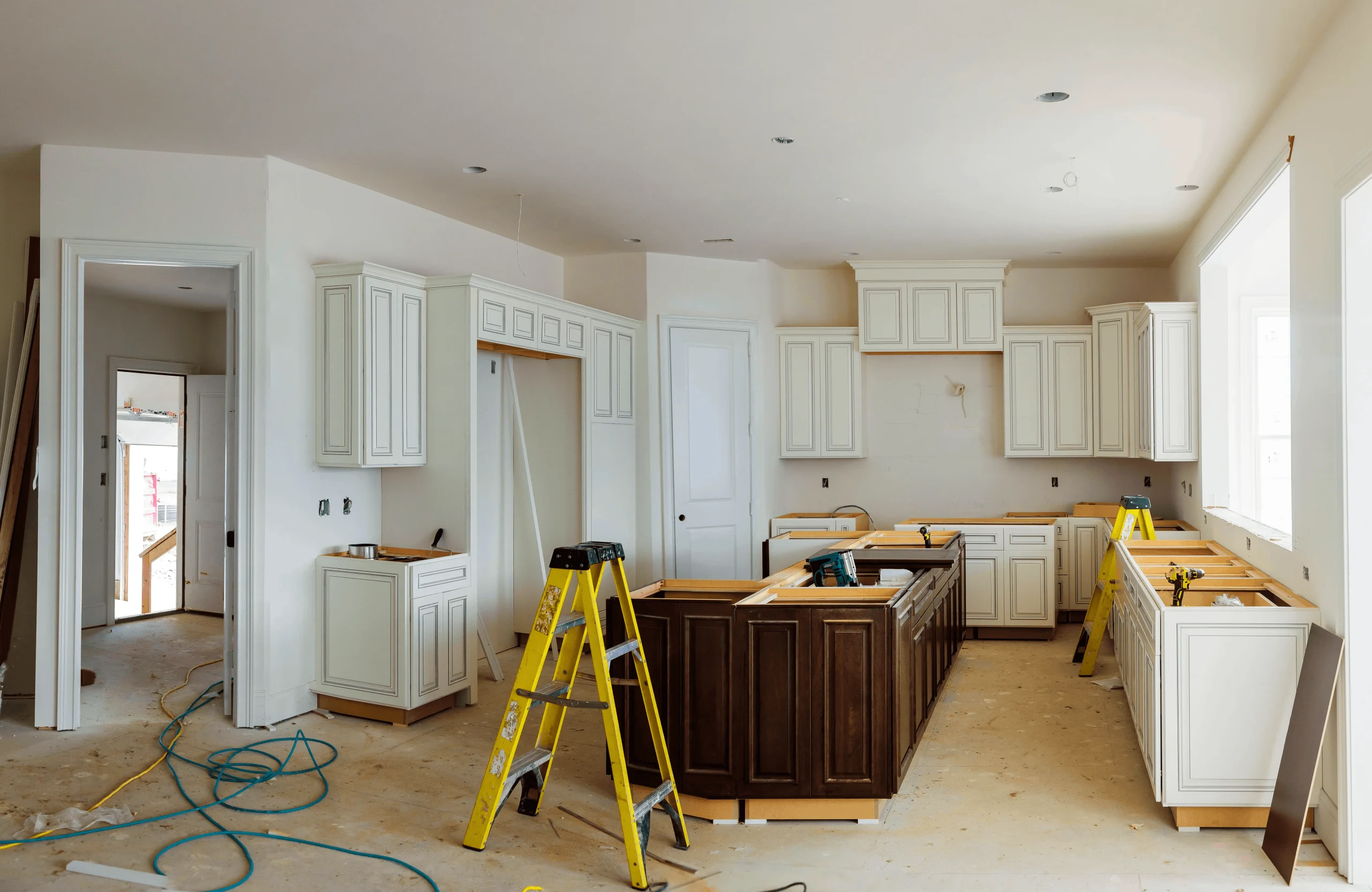
Materials are one of the biggest cost drivers. Standard materials like vinyl siding and laminate flooring keep costs lower, while natural stone, hardwood, custom cabinetry, and designer finishes significantly increase expenses.
4. Architectural Design Complexity
Simple rectangular layouts are more cost-effective than complex multi-level designs with custom roofing, curved walls, or large open spans. The more intricate the design, the higher the engineering and labor costs.
5. Labor and Contractor Fees
Labor costs in Chicagoland vary depending on demand, contractor experience, and project timeline. Skilled trades such as electricians, plumbers, and carpenters are essential and often account for a large portion of the budget.
Hidden Costs Homeowners Often Overlook
Many homeowners focus only on construction costs but overlook additional expenses that can significantly impact the total budget.
- Permit and inspection fees
- Site preparation and excavation
- Utility connections (water, gas, electricity)
- Landscaping and exterior work
- Driveways, fencing, and outdoor structures
- Interior furnishing and appliances
These hidden costs can add 10% to 25% to the total project budget if not planned properly.
Cost Differences Between Suburbs
Not all Chicago suburbs have the same construction costs. Land prices, labor availability, and local regulations vary from one area to another.
For example:
- Premium suburbs with high property demand tend to have higher land and construction costs
- Mid-range suburbs offer more balanced pricing with moderate construction expenses
- Emerging suburban areas may offer lower land costs but require additional infrastructure work
Choosing the right location can significantly impact your overall investment.
Standard vs Luxury Custom Homes
The type of home you choose to build plays a major role in determining cost.
Standard Custom Homes
These homes focus on functionality and efficiency. They typically include standard finishes, pre-designed layouts, and cost-effective materials. They are ideal for homeowners looking for quality construction without excessive customization.
Luxury Custom Homes
Luxury builds involve high-end materials, advanced architectural design, smart home integration, and custom features such as home theaters, wine cellars, or expansive outdoor living spaces. These homes require a significantly higher investment due to craftsmanship and detail.
How to Control Your Custom Home Budget
While custom homes can be expensive, there are practical ways to keep costs under control without compromising quality.
- Finalize your design before construction begins to avoid changes
- Choose materials early to prevent price fluctuations
- Work with an experienced local contractor
- Prioritize essential features over luxury add-ons
- Maintain a contingency fund for unexpected expenses
Proper planning is the most effective way to avoid budget overruns.
Importance of Working With the Right Builder
Your builder plays a critical role in cost management. An experienced Chicagoland contractor understands local pricing, supplier networks, and permit requirements, which helps reduce unnecessary delays and expenses.
A reliable builder will also provide transparent cost estimates, helping you understand exactly where your money is going at each stage of construction.
Timeline and Its Impact on Cost
Construction timelines also influence overall costs. Delays can increase labor expenses, material storage fees, and financing costs. Efficient project management helps keep everything on schedule and within budget.
Weather conditions in Illinois, especially during winter, can also impact timelines and should be considered during planning.
Final Thoughts
The cost of building a custom home in Chicago suburbs depends on multiple factors, from land and design to materials and labor. While the investment can be significant, careful planning and the right team can help you achieve a balance between quality and budget.
Instead of focusing only on the price per square foot, homeowners should look at the overall value, long-term durability, and lifestyle benefits a custom home provides. With the right approach, building a custom home becomes not just a financial investment, but a long-term asset tailored perfectly to your needs.